Tag: hiking

  • New Zealand No.2

    Wanaka, Queenstown, Gore, Dunedin. Posted 26.4.26
    Wanaka. 

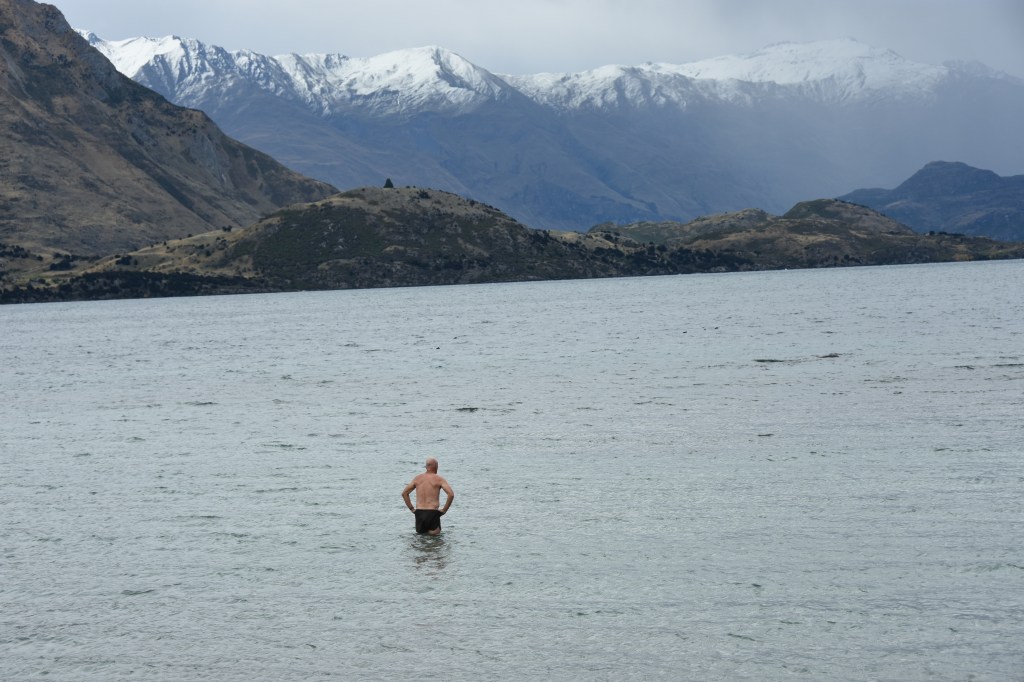
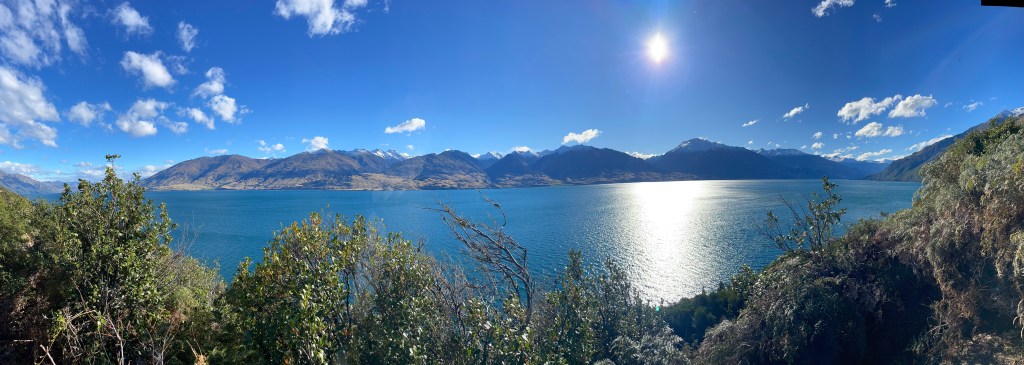
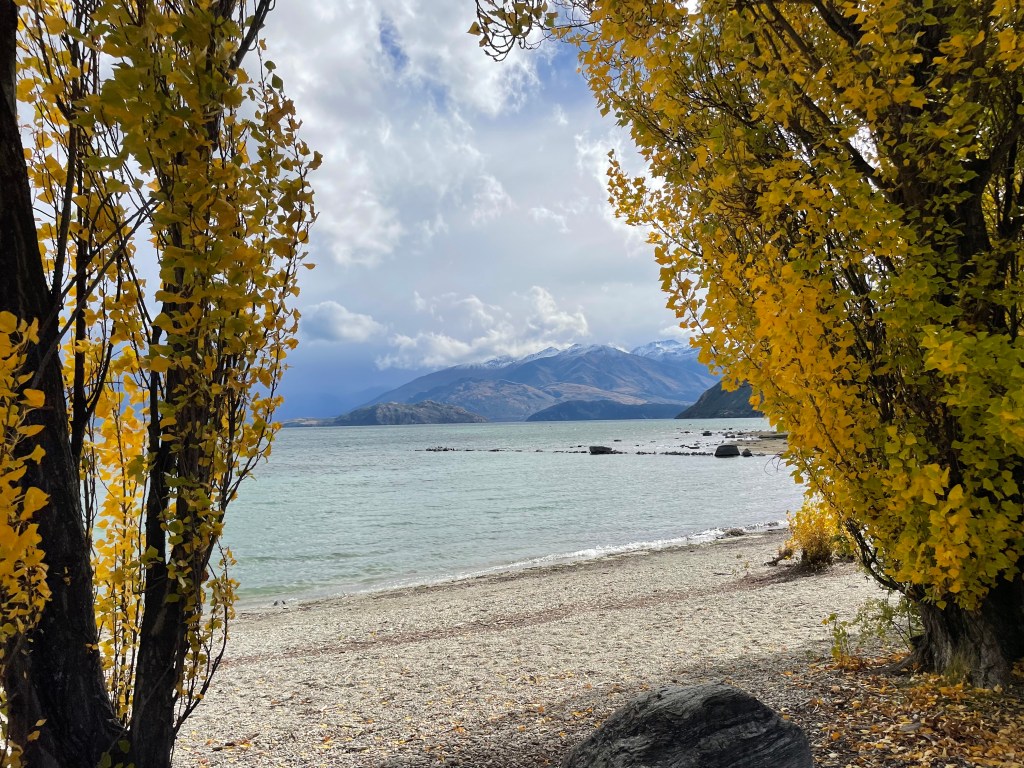
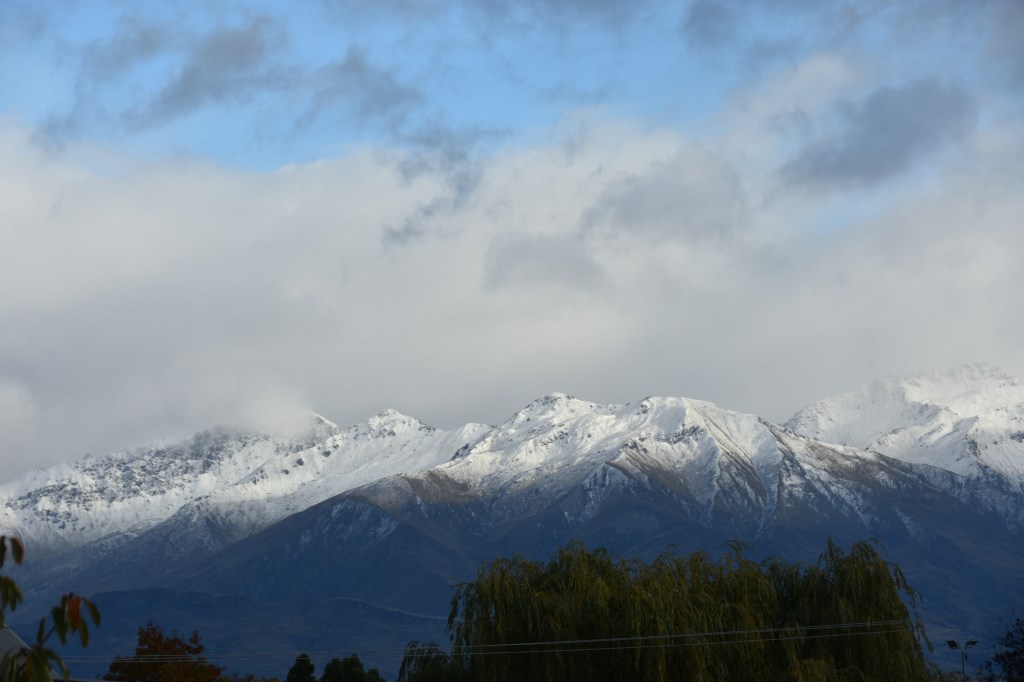
    What a lovely place Wanaka is, big houses, trendy shops, great cafes. Noosa at the snowfields. The town was packed, last weekend of the school holidays. As it was cold and damp, everyone in town congregated in the cafes or the heated shops. The autumn yellows of the poplars against the blue lake and snowcapped mountains were picture postcard images.
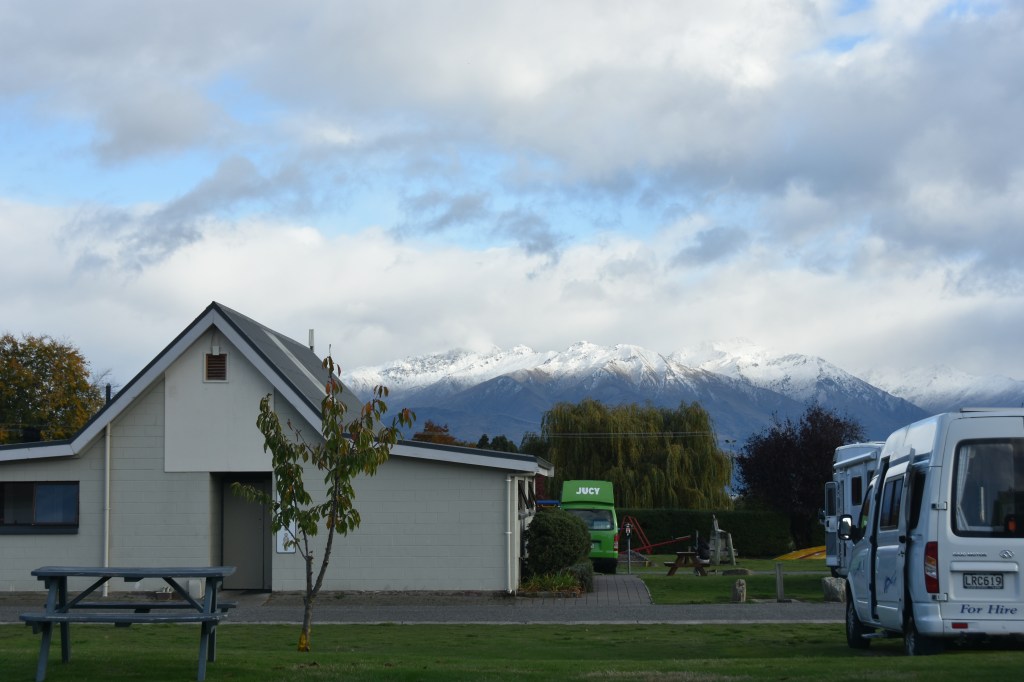
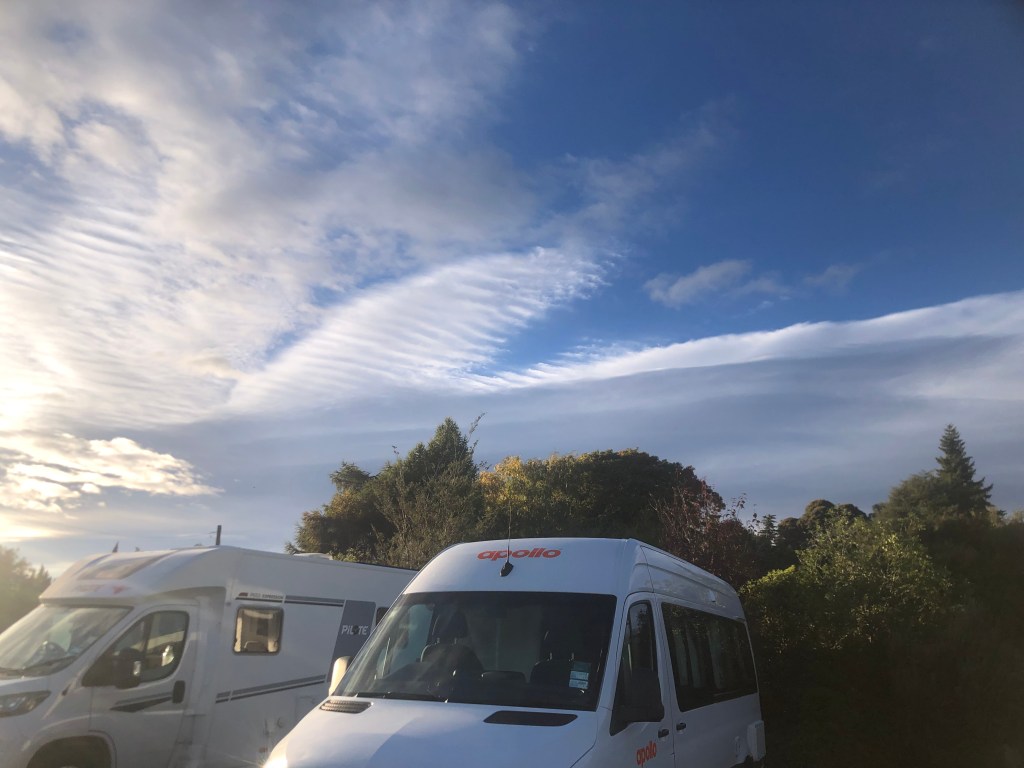
    We parked in the holiday park close to town. We could see the lake and the snow capped mountains from our site. Kids still ran around in shorts, screamed loudly on the bouncy trampoline and talked to each other on walky-talkies as they zoomed about on bikes. On the second morning, I lay snuggly in bed and watched the snow falling on the nearby hill. What a treat!  A local told Nick it was very unusual in May to see snow…it was April! He also said “snow fall in May never stays” is a local belief. But for us it was picture perfect. 

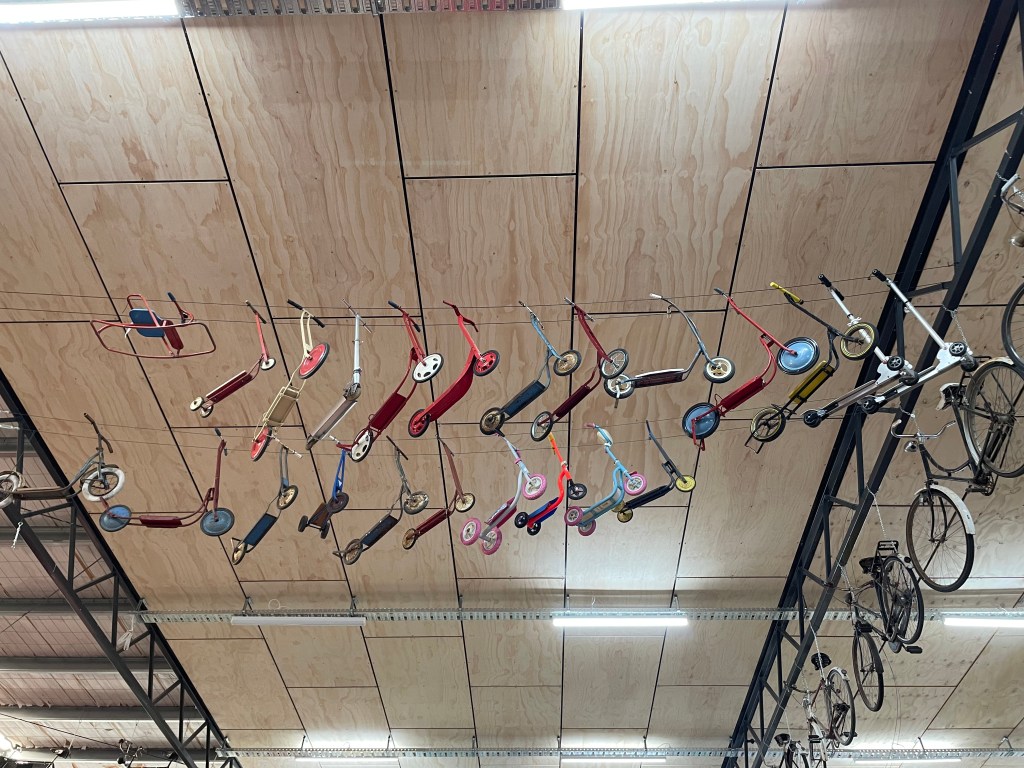
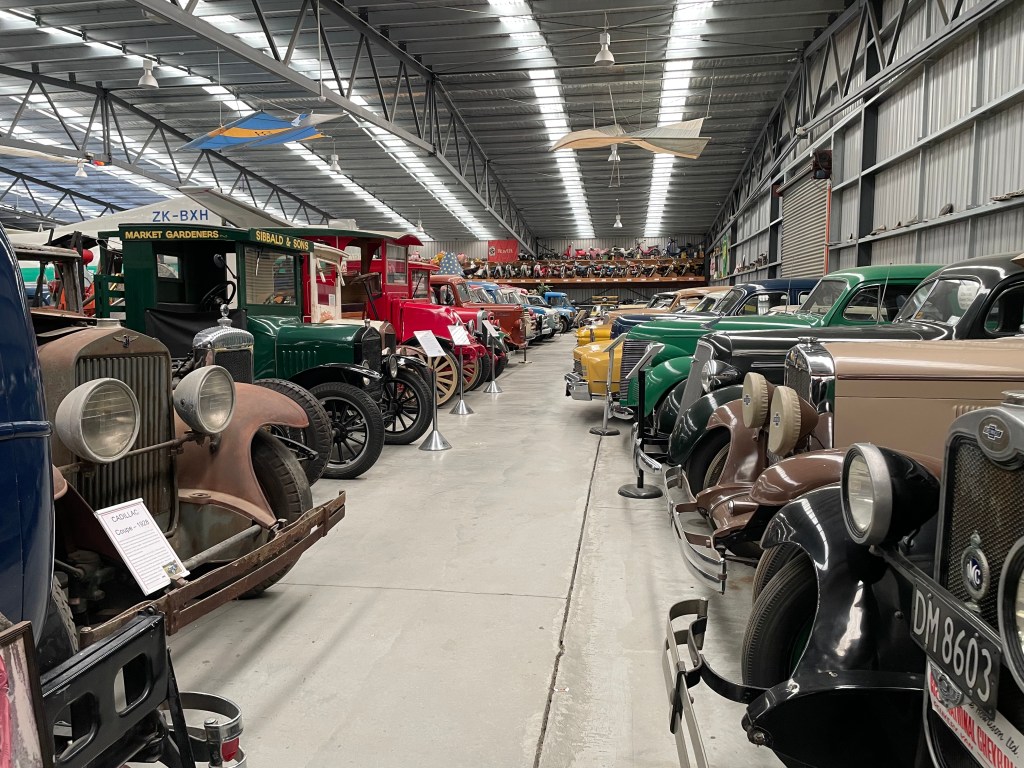
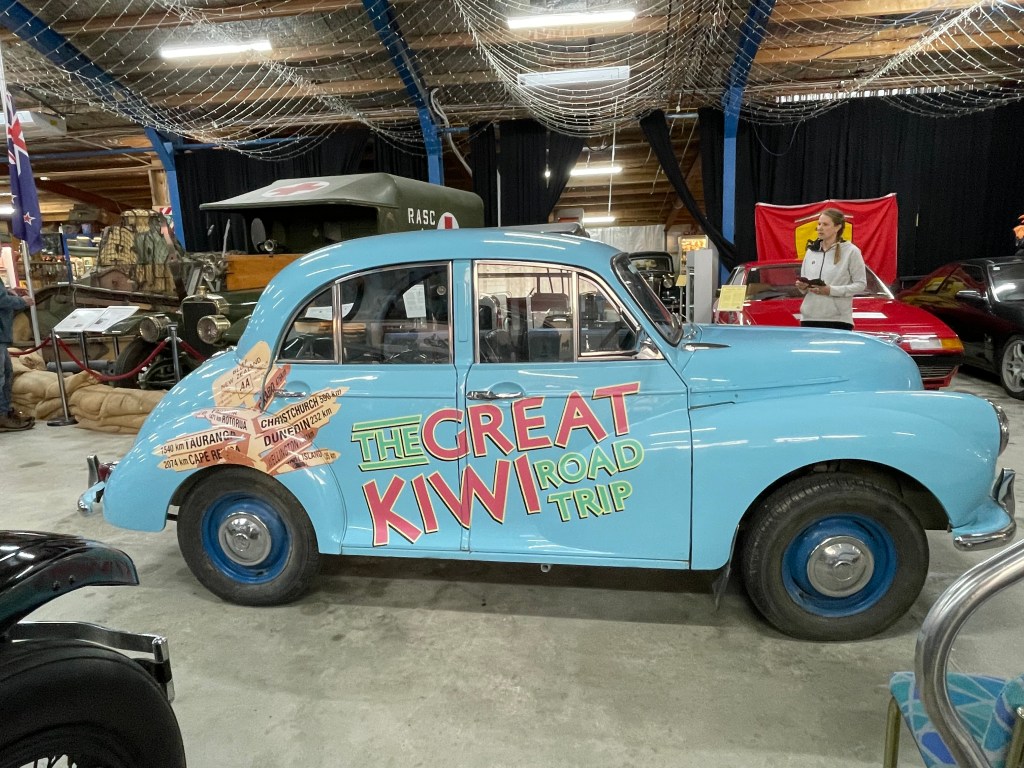
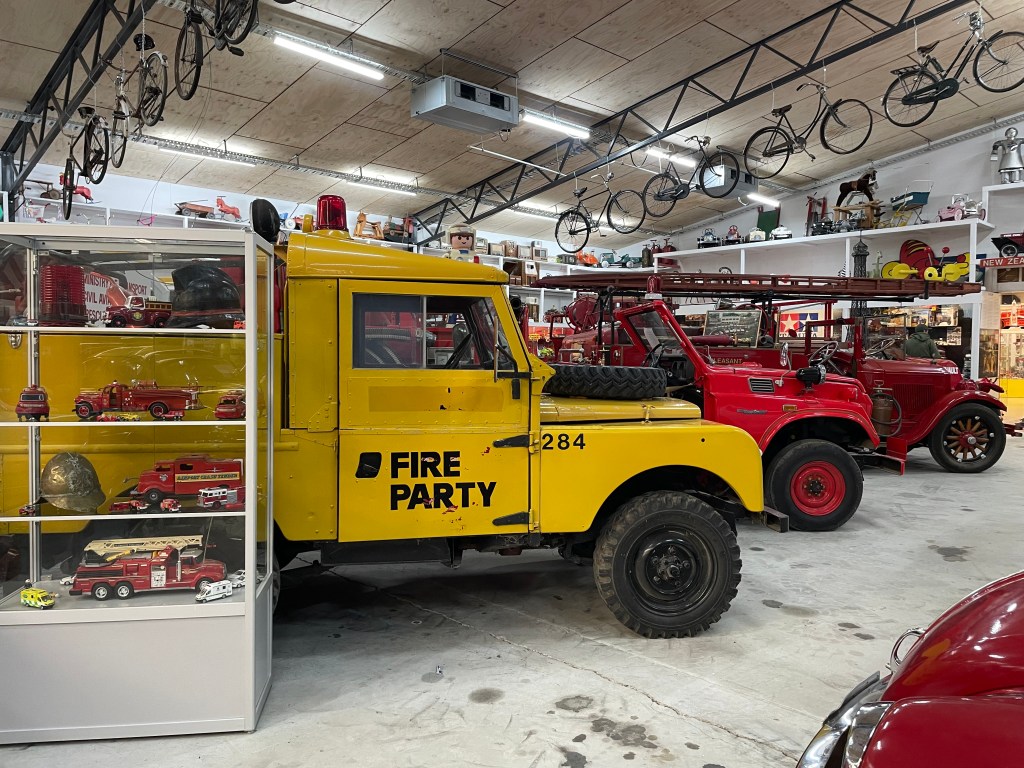
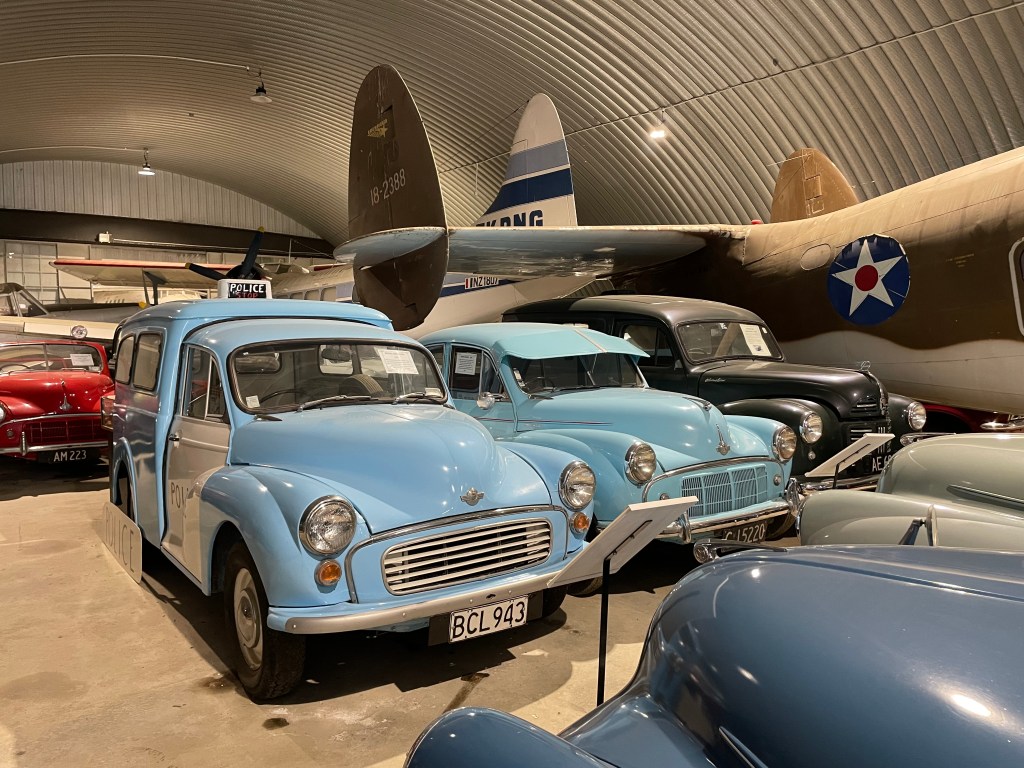
    I noticed there was a Toy and Vehicle Museum not far from Wanaka on the road to Queenstown. Grabbing my umbrella, we entered an Aladdin’s Cave for small children & car-addicts. Not just cars though, there were tanks, planes, heavy earth moving machinery, a huge number of old fire engines and row upon row of old cars. There were 4 monstrous sheds to go through. The toy display was equally impressive. Maybe some of the pictures will tell the story. We spent a couple of hours there despite there being only a couple of Land Rovers. We then drove about 10km down the road to Luggate for coffee; the lady serving coffee asked if we’d enjoyed the museum. She said she can’t recall how many times she took her son when he was young – he’s probably a hoarder now.
    Drove onwards towards Queenstown, decided to call into Arrowtown. Here we were with our 7.2m long campervan, winding down narrow streets with cars parked either side and people & kids streaming along the road towards the centre of this historic town. We never got past the temporary gate and still have no idea what was happening. Luckily we escaped without side swiping any vehicles or removing their rear view mirrors. Sad to have missed spending time there.
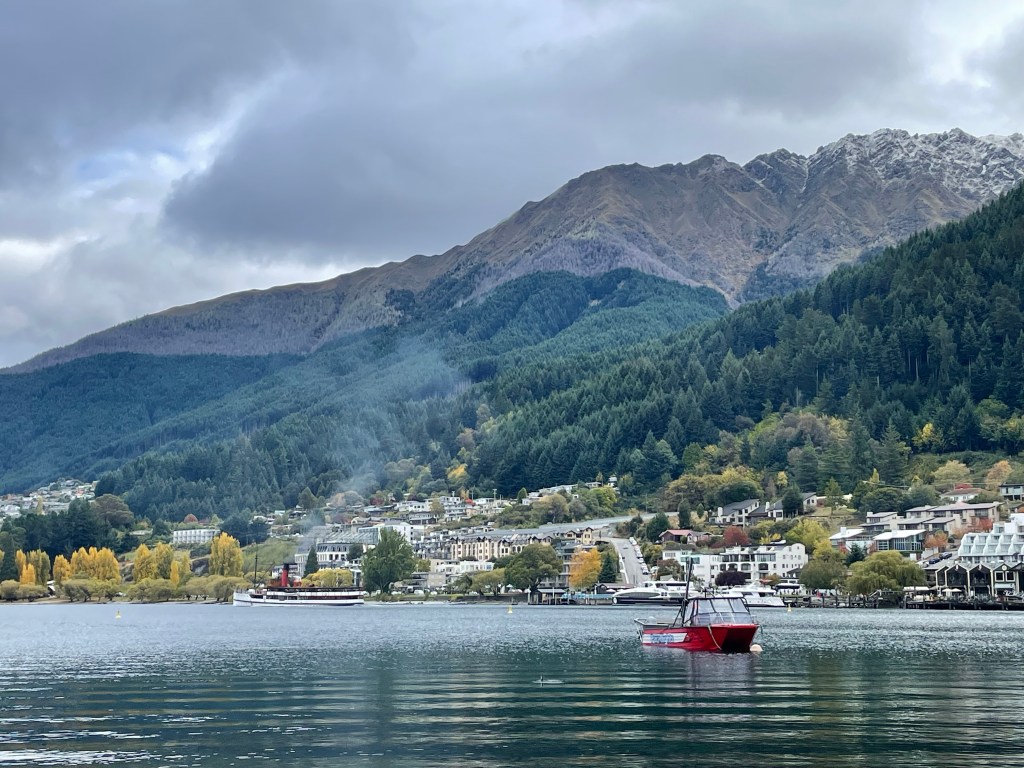
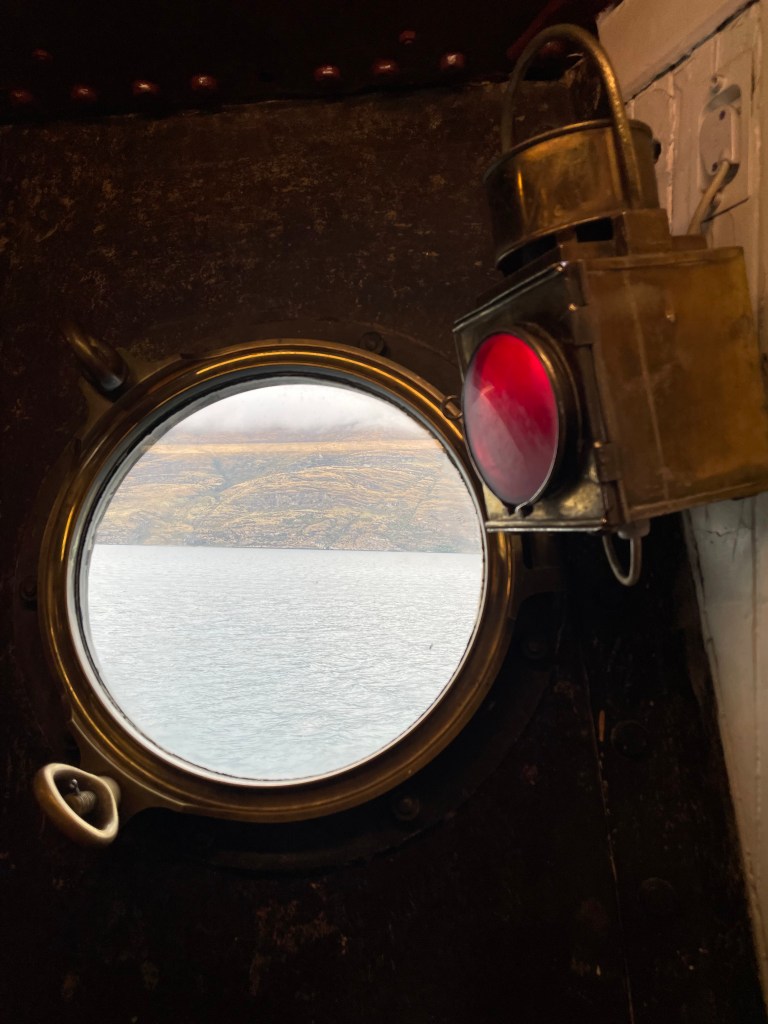
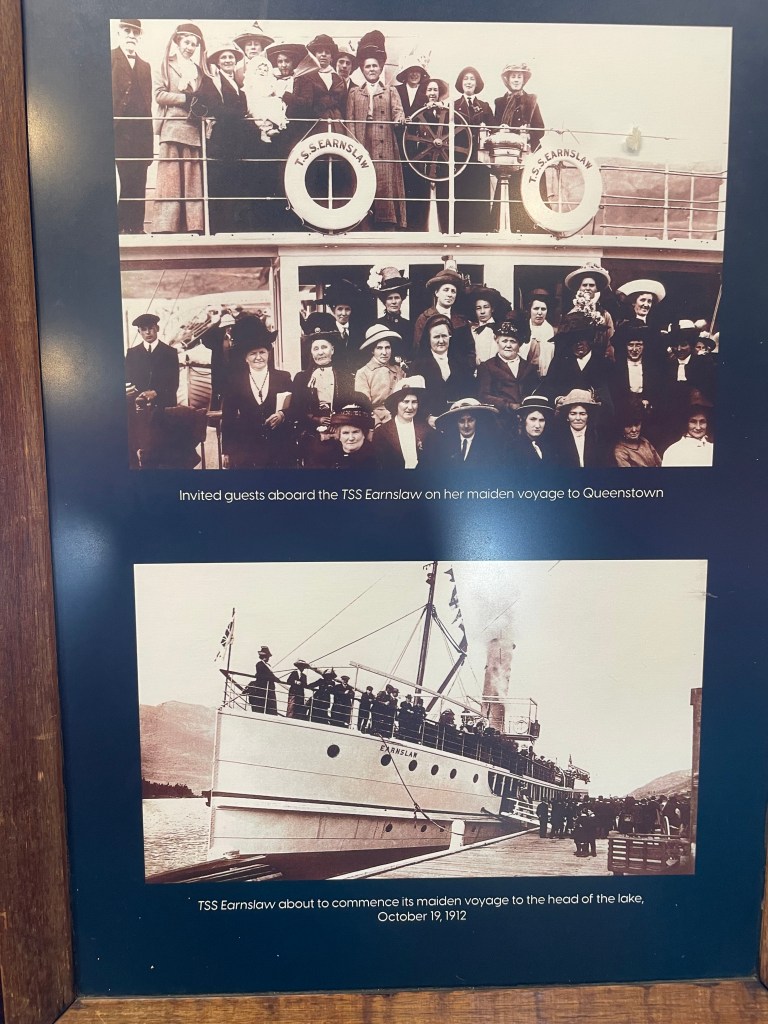
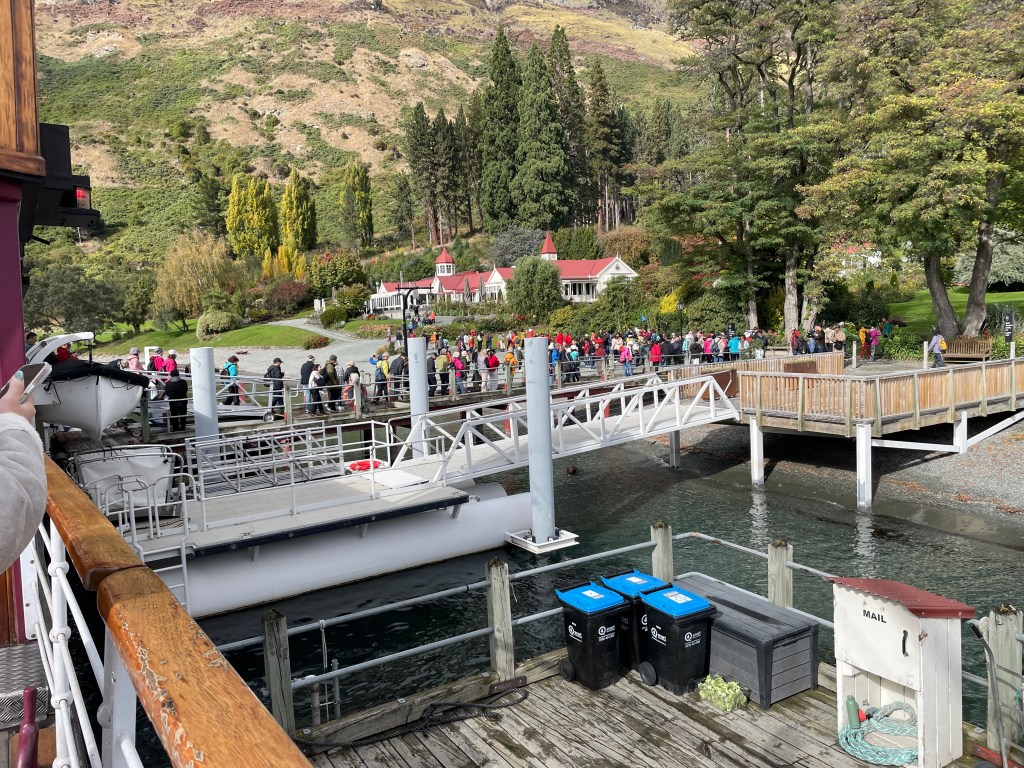
    Queenstown. What a lovely town, as trendy as Wanaka, much bigger and located on Lake Wakatipu. Here the snow season hadn’t begun but all the adventure activities were in full swing. It was still raining and very cold but we decided to take a slow cruise on the lake in the old TSS Earnslaw, a Twin Screw Steamer. Her maidan voyage was in 1912, with an initial passenger capacity of 1,035. She was affectionately called the “Lady of the Lake”.

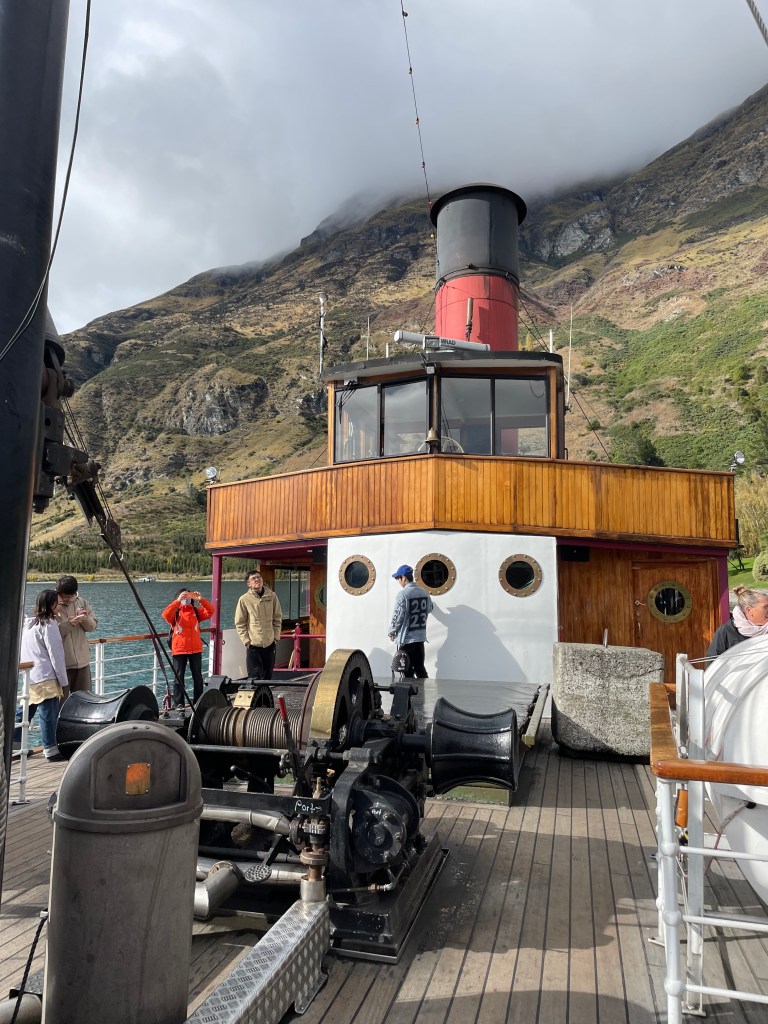
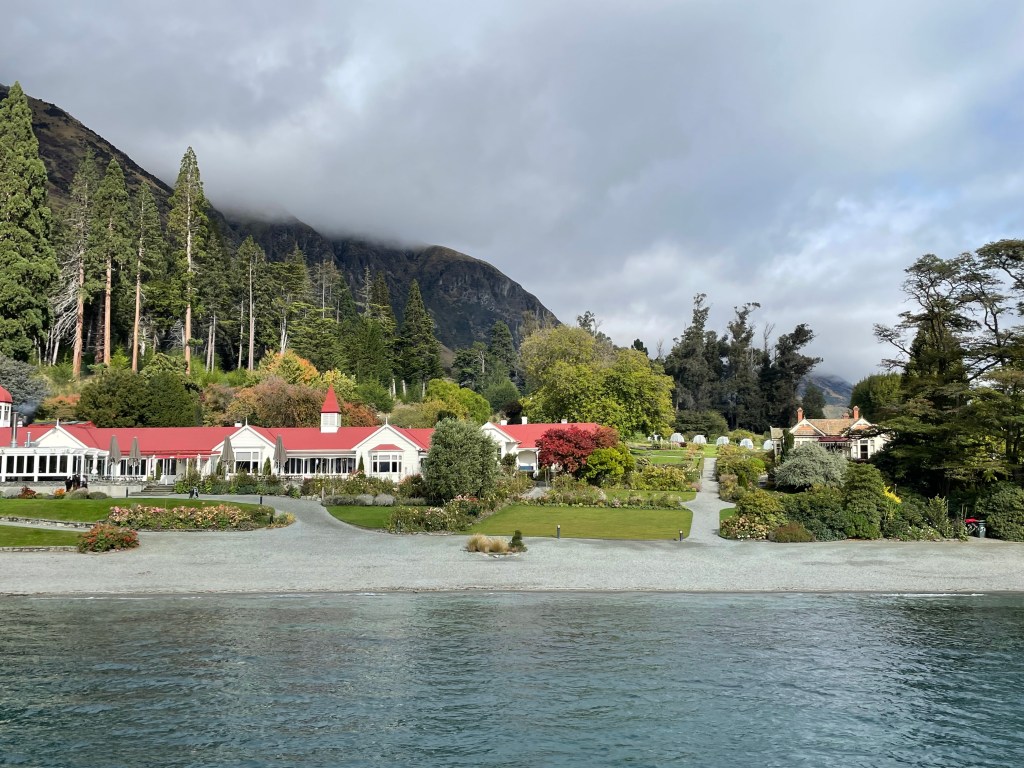
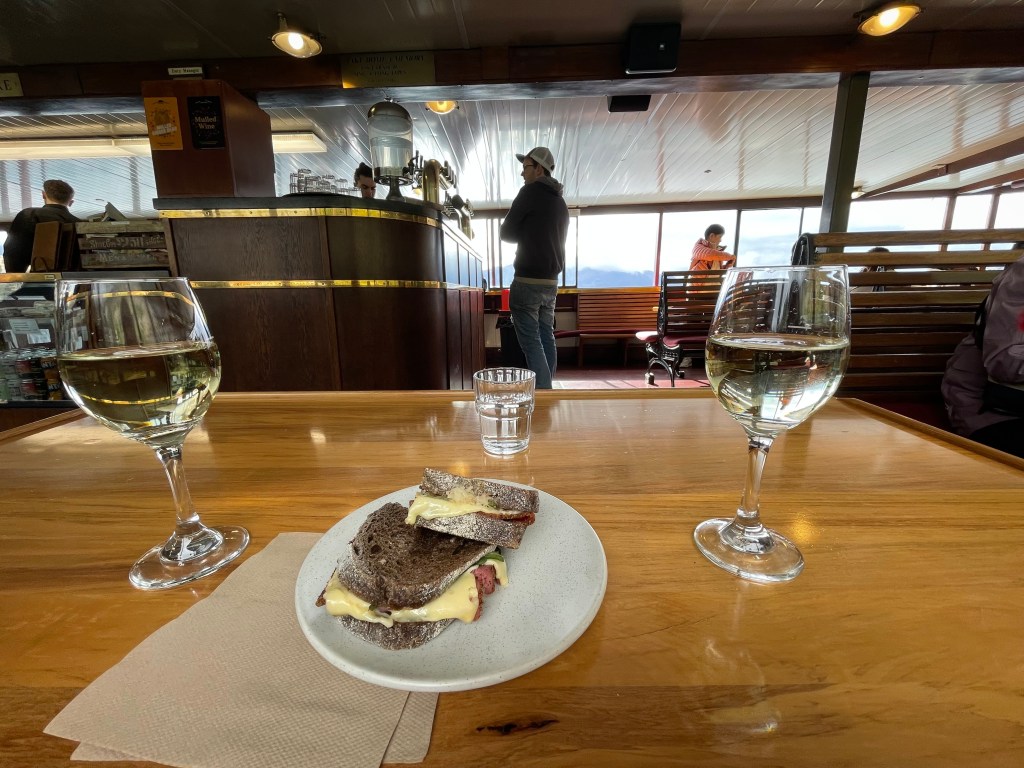
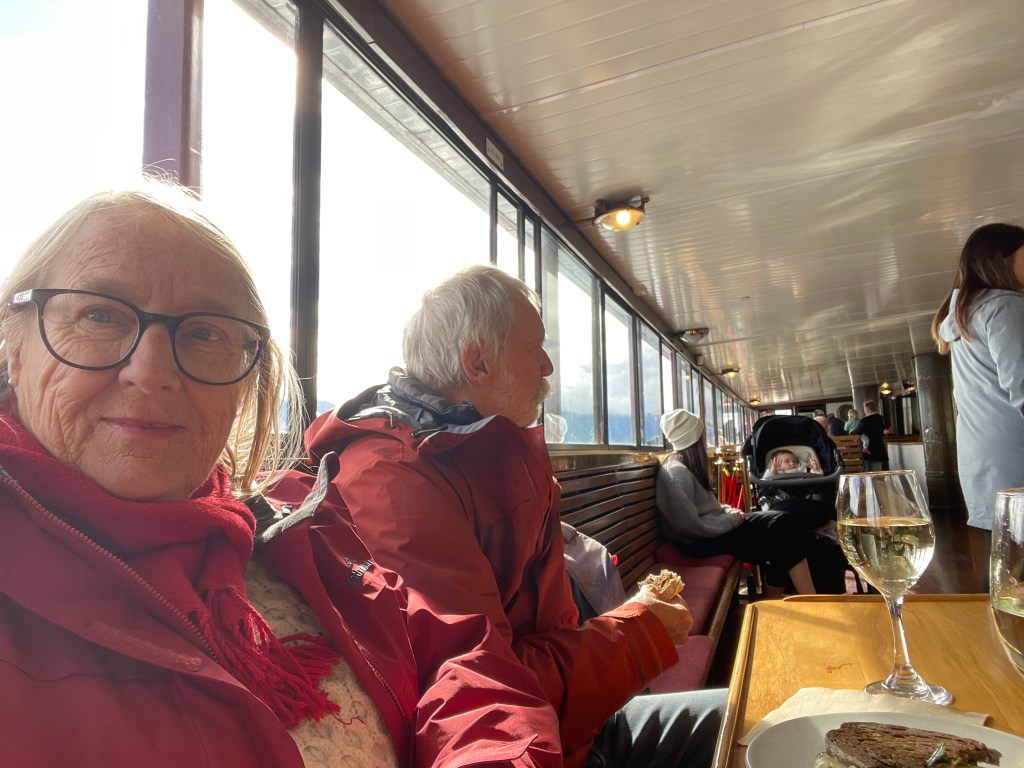
    We loved the trip, Nick was fascinated by the internal workings of the motors. We had a calm trip, just a bit crowded by holiday makers originating from Asia. The captain berthed the boat at Walter Peak High Country Farm, then announced that all those who’d paid for lunch and the cruise would disembark here at the charming early colonial restaurant at the edge of the lake. To our surprise, 99% of the aforementioned got off, then followed their guide with the blue flag and went to lunch. So our return cruise to Queenstown was peaceful, and definitely warranted a shared pastrami sandwich and a glass of wine.
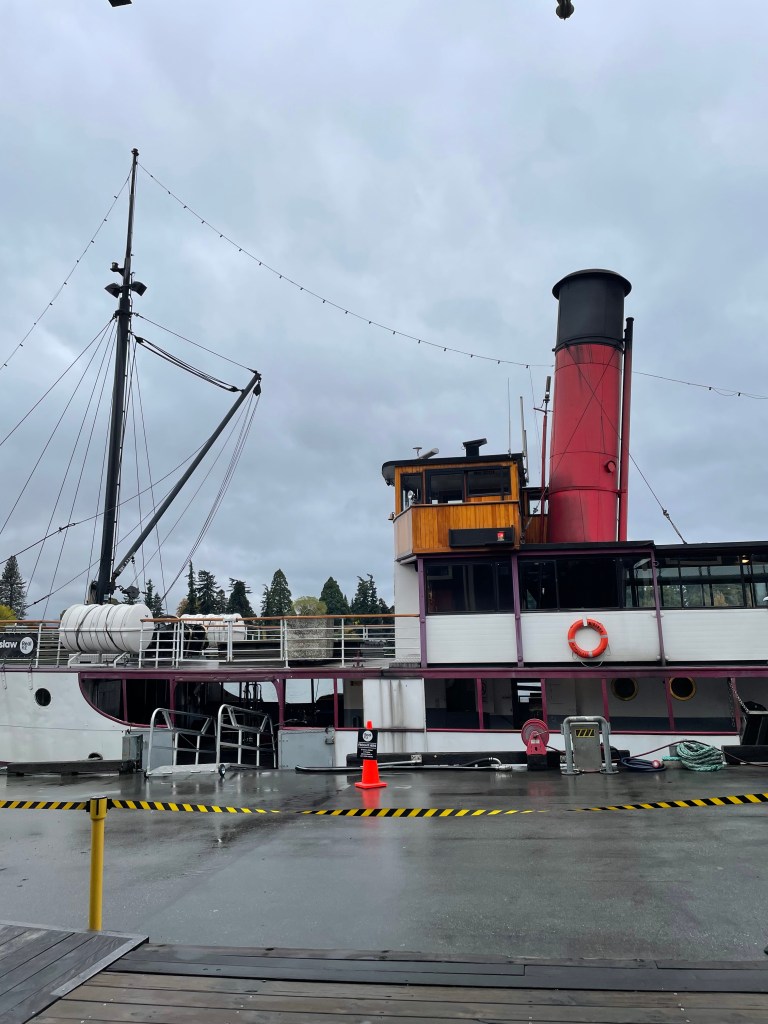
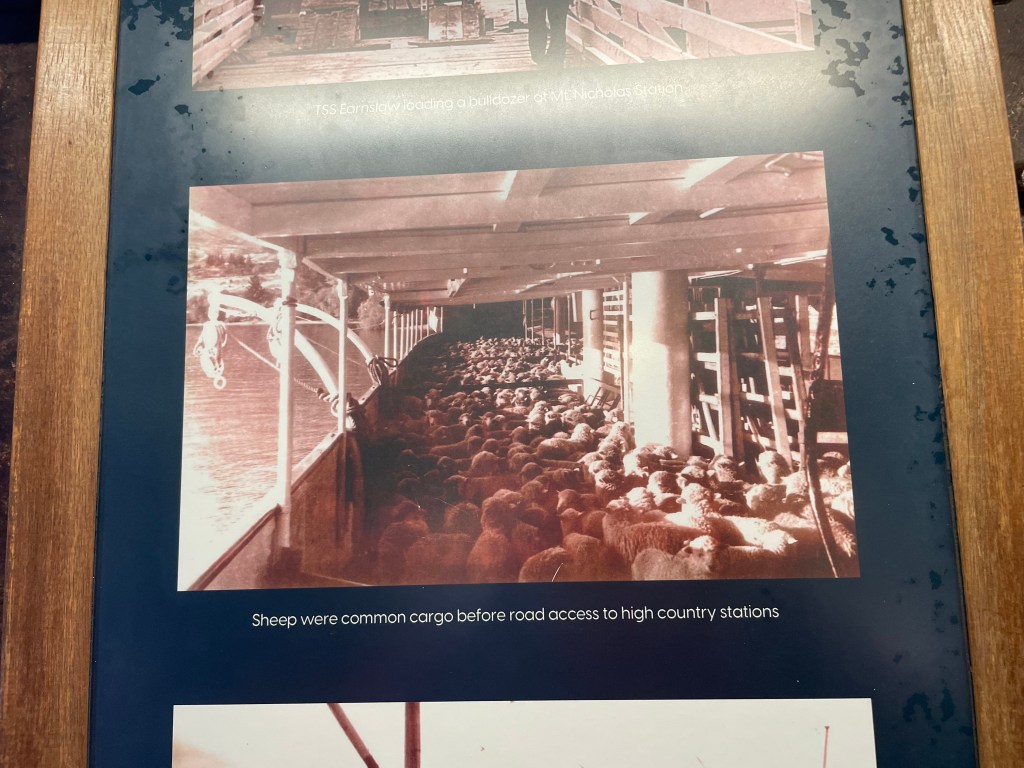
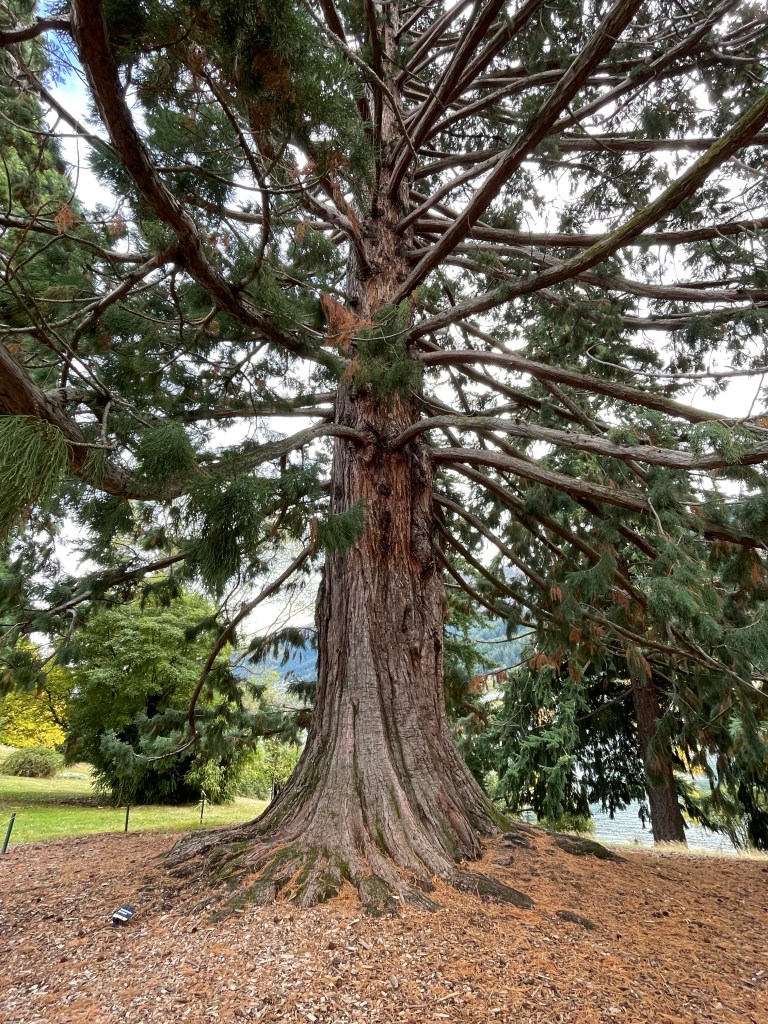
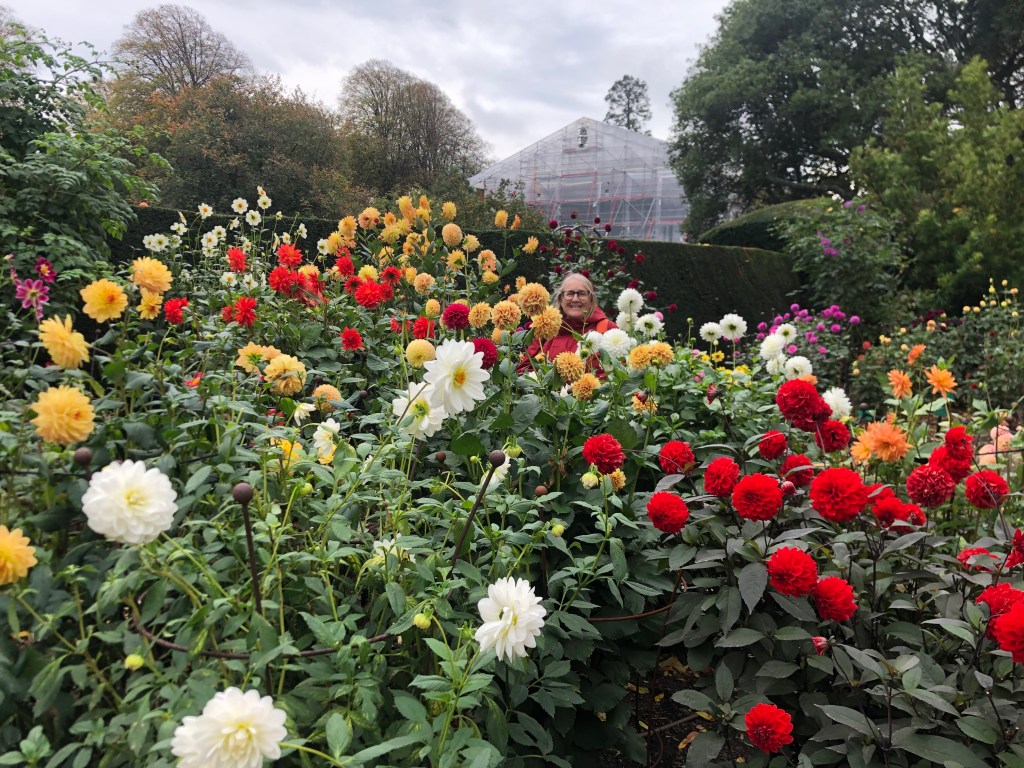
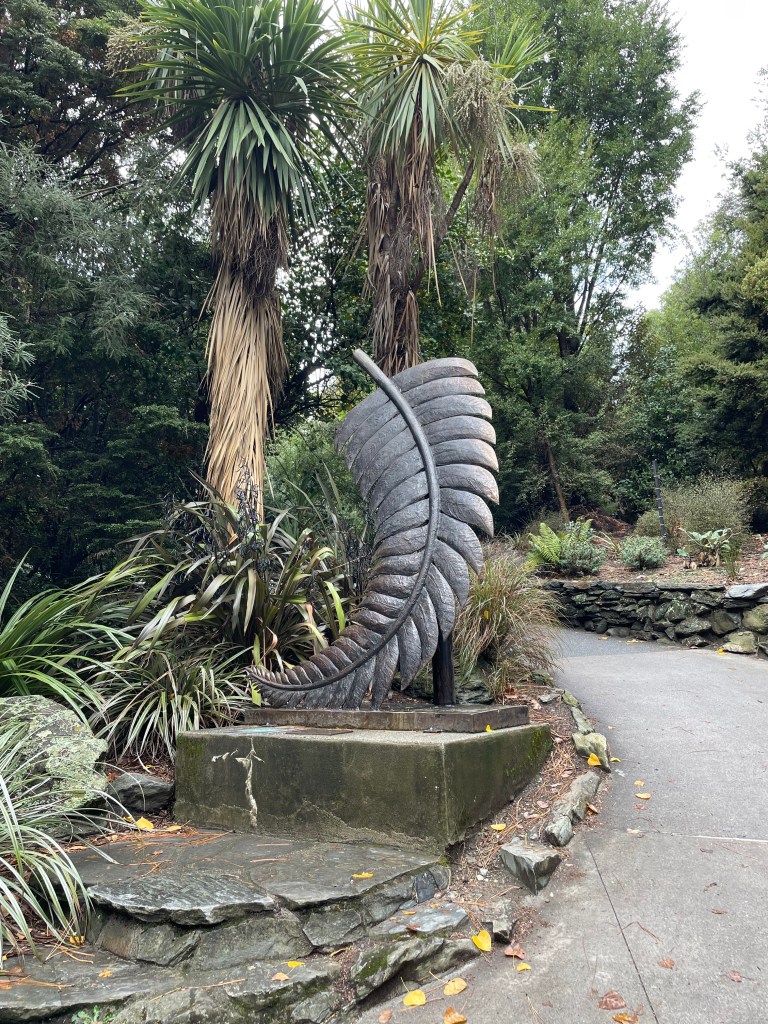
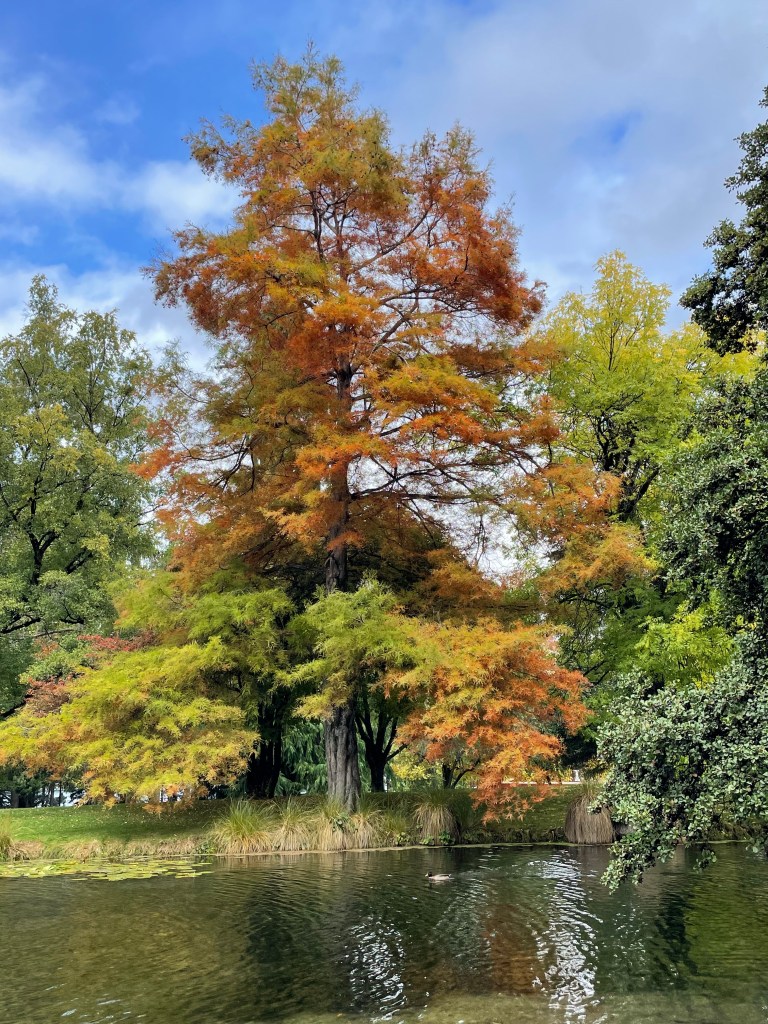
    After the cruise, the weather was marginally warming up so we walked around the Botanic gardens admiring more massive trees. A beer in an Irish bar with the wood fire warming all the patrons was a good choice before walking back to the van.
    Night times were very cold, heavy rain drenched the ground around the van. Heavy fog filled the valley in the morning. We were keen to have a fine day for our last in Queenstown. We had booked a fly/cruise/fly package to Milford Sound out of Queenstown on the Monday. One hour before we were due to fly, we got a message cancelling the trip due to the anticipated inclement weather later in the day. We were both pretty disappointed. I guess we’ll just have to return someday. The flight company said they’d been grounded for the past 5 days.

    So plan B for the day. Off we headed towards the east coast. The Remarkables live up to their name. This snow covered range dominates views towards the north of Lake Wakatipu. We took route 6 south along the Lake which by now was choppy from the wind springing up.
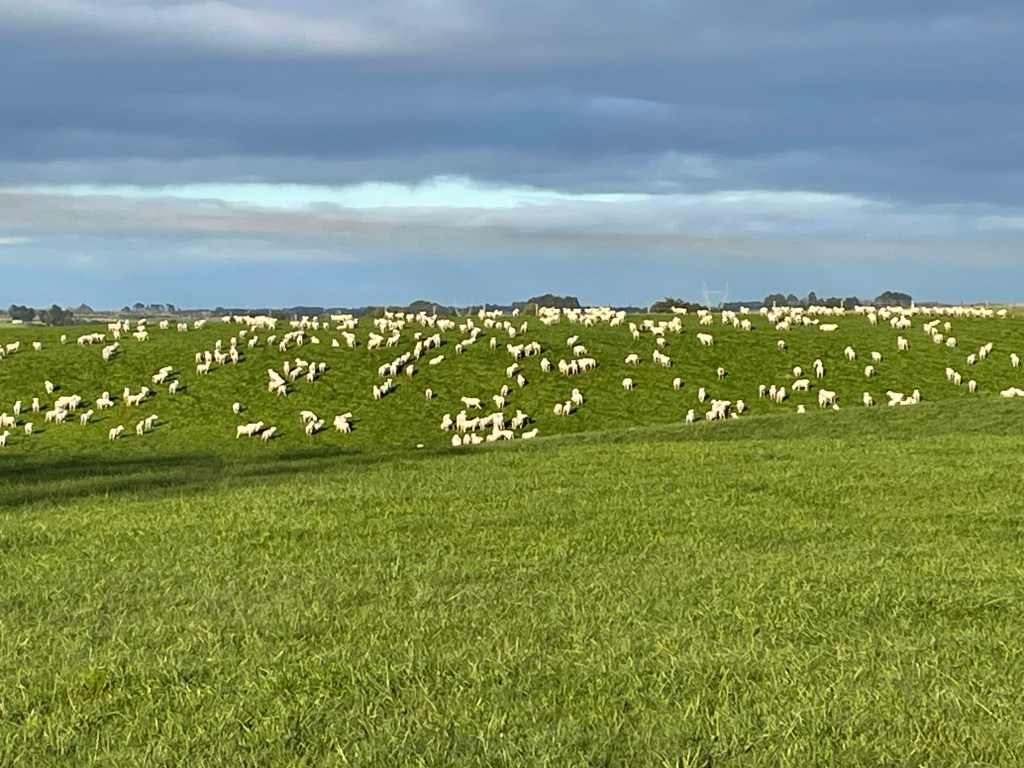
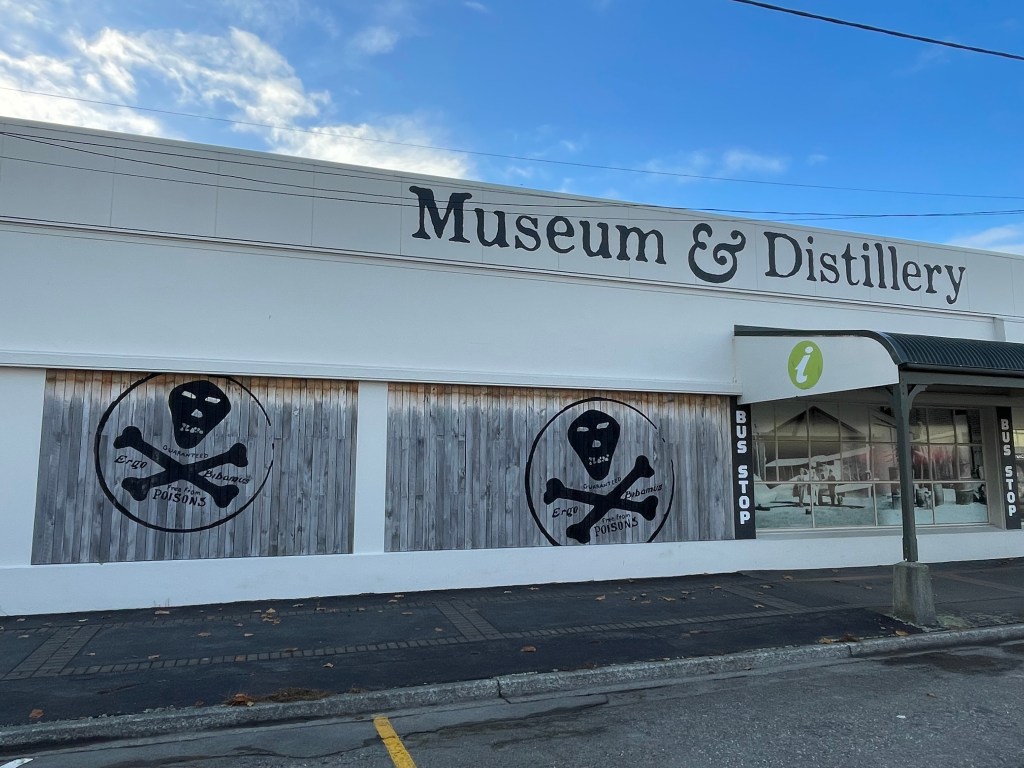
    The country was flattening out a bit, sheep were everywhere. We chose not to visit Invercargil, save that for summer time. From Lumsden we headed to Gore. On my camping App it said there were 2 free camp sites. One was closed for good, the other was in the rundown showgrounds. Not sure what to do next, we decided to visit the visitor information centre, which was also a museum and distillery. Great choice. The girl told us about a great camp ground just out of Gore. Also, we loved the museum which was all about the Prohibition of the early 1900’s, the settlement of the Scottish there after the Highland Clearances and their making of “Hokonui” or hooch as we know it. The end of the museum tour was a tasting of Hokonui, more accurately fire water, which we both did. I have a small bottle to bring home for any game visitors!
    The camp at Dolamore near Gore was perfect. In the forest, almost no others there, silent at night.
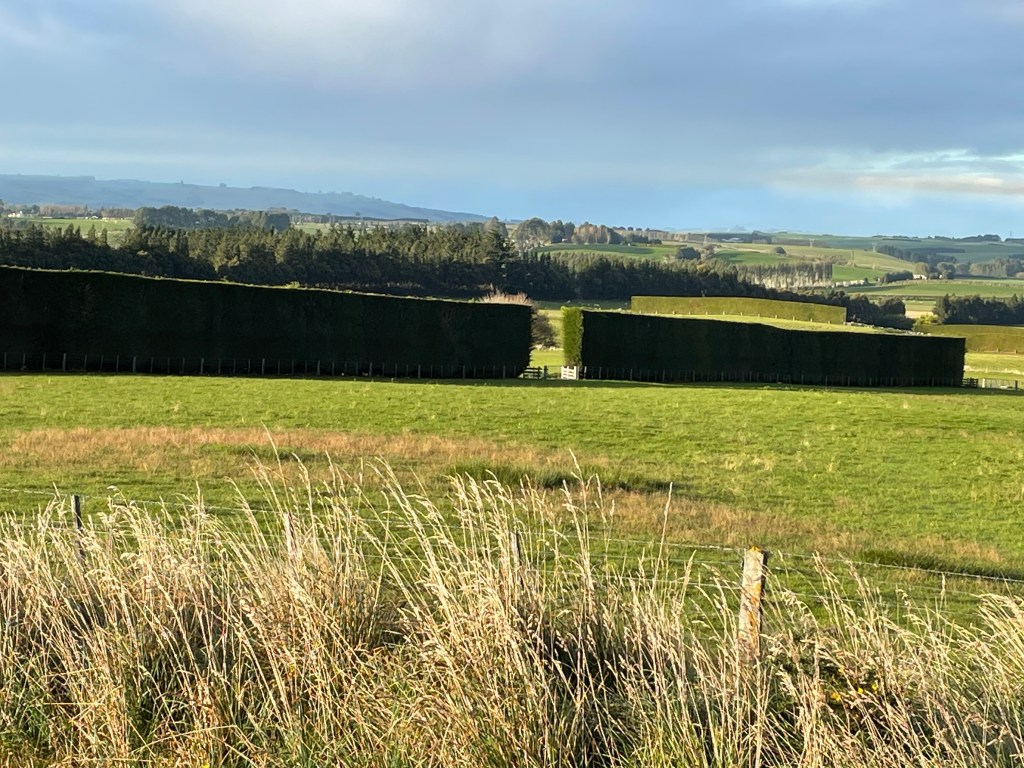
    My lasting thoughts about this trip so far….there are sooo many sheep and cows here and they graze on grass that looks like a bowling green or golf course. There are hedges everywhere, never have I seen an industry like it, especially when you include the job of trimming the hedges laser straight. Someone, years ago, must have proved that hedges increased production on farms, because the sheep are very happily munching their golf course green tucked in behind towering hedges. Windbreaks are not necessarily cypress pines, there are eucalypts and poplars, sometimes pampas grass or even the dreaded gorse. I feel sad that there is not an easy way to see the original forest, that early settlers cleared so much of it, except the mountains I suppose. My next aim is to see a Manuka tree, seeing as their honey is famous from here.

    That’s it for now. I’m writing this from Nelson. We’ve done lots of lovely things since Gore, and remarkably….the sun is shining, blue sky all day, calm seas. Idyllic. I’ve found Manuka and seen original forests.

    Jen & Nick xx
  • New Zealand. April 12th to May 12th, 2026

    A camping holiday with a difference.

    Posted April 22nd 2026

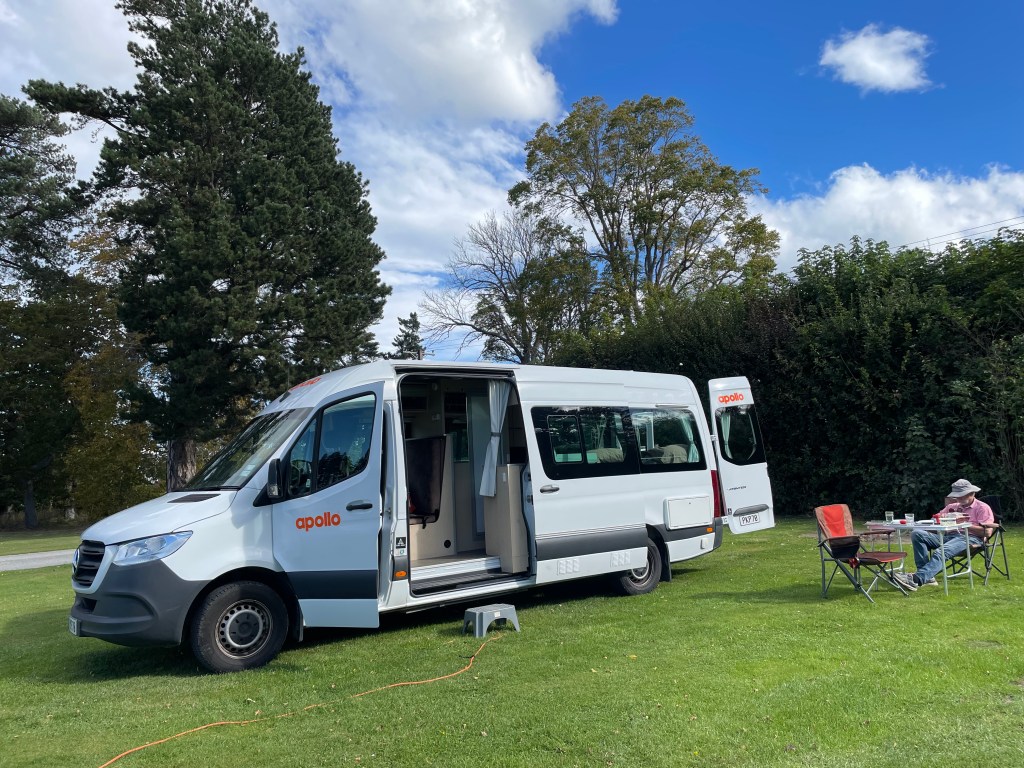
    This is a new concept for us, having a “camping” holiday without Swifty. It feels easy in some ways, not having to pack Swifty with all our food, bedding, clothes, camping gear, and doing car maintenance jobs, all that is done for us this time. Being self contained in a camper van with a loo and shower is novel for us too. I always said if I found myself dragging a container of our effluent through a campground, that then my camping days were over. So to remain true to myself, I’ll get Nick to do it.

    We departed from Gold Coast airport on Air New Zealand bound for Christchurch. On a world level there is a war in the Middle East, initiated by Trump and Netanyahu, with the aim to create regime change in Iran and free the desperate people of Iran from a repressive government. After 6 weeks it looks like a fizzer. The upshot is, there’s a fuel supply crisis because the Iranians have chosen to close the waterway where oil tankers would normally freely travel to supply the world with petroleum products. Flights could be impacted, prices could sky rocket, International travel could be out of the question for us normal people. But we’ve snuck in ahead of any disruptions. Phew. Years ago we booked a holiday to NZ then Covid 19 hit, holiday cancelled!!

    On top of a “fuel crisis” we were heading off to NZ which was facing a cyclone in the North island. We were going to the South. Flights were still departing to that cyclonic region so I thought it couldn’t be too bad.

    Arriving at Christchurch mid afternoon we settled into our 3 star accommodation, not very classy but great location. A low hanging mist shrouded the suburbs, by 5.00pm it was dark, it looked like the UK but it was warmish. We walked and walked, stretched our legs as we debated what sort of meal we’d have, as there were many choices along Riccarton road. Settled for a pub meal of roast pork. 

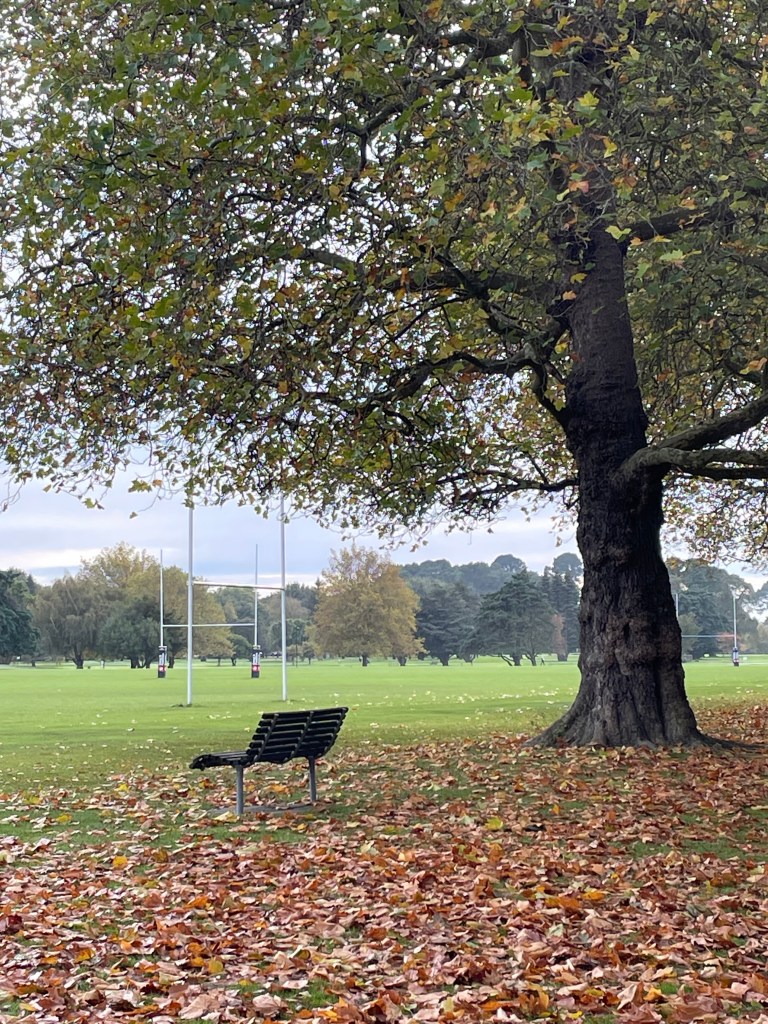
    Next morning the mist had cleared but clouds hung about all day. We set off walking into town, through Hagely Park, kicking up piles of autumn leaves and marvelling at the enormous Plane trees and Oaks that lined the path. We were both lost in childhood memories of true autumns past, with coloured leaves and chilly faces. 

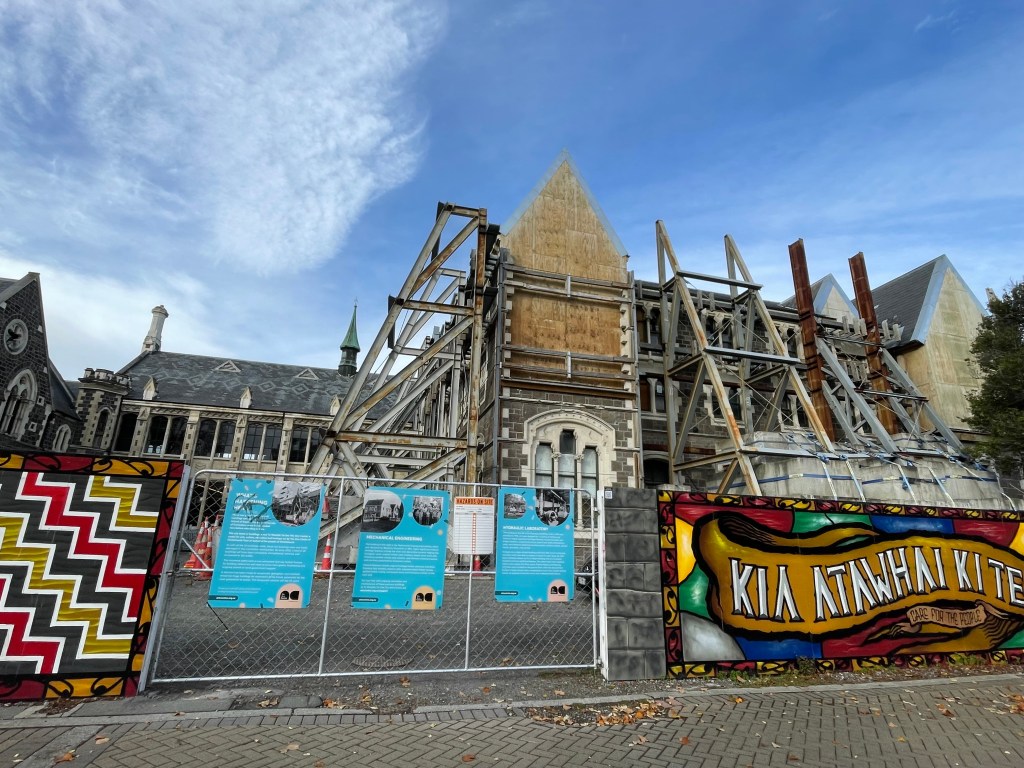
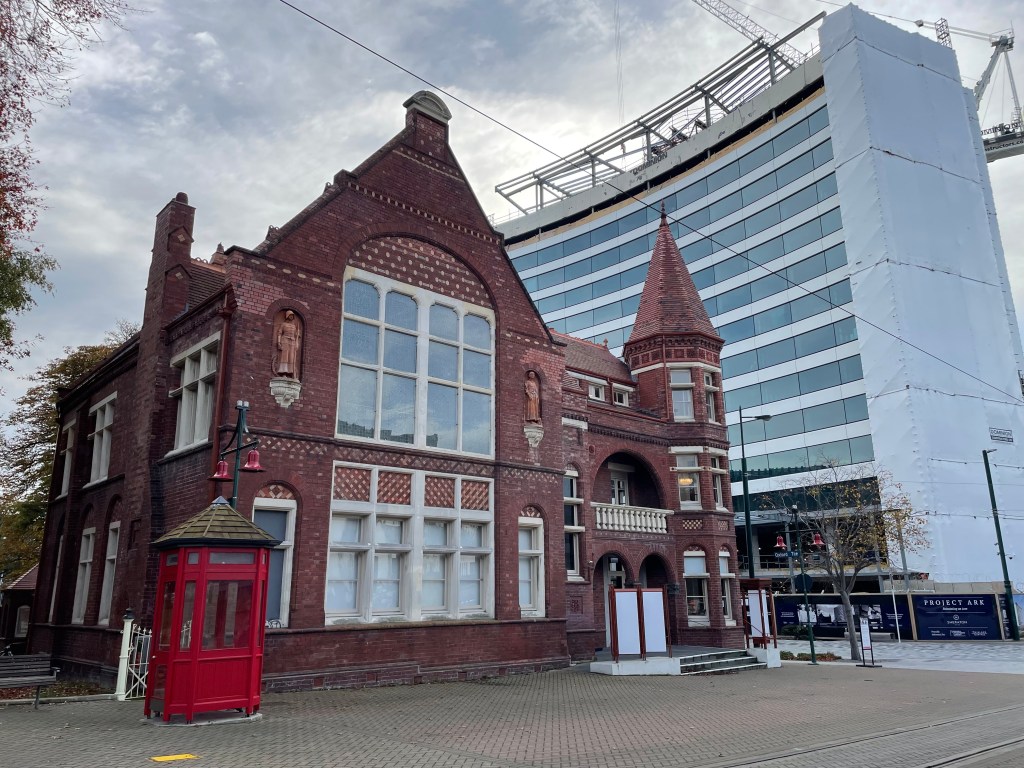
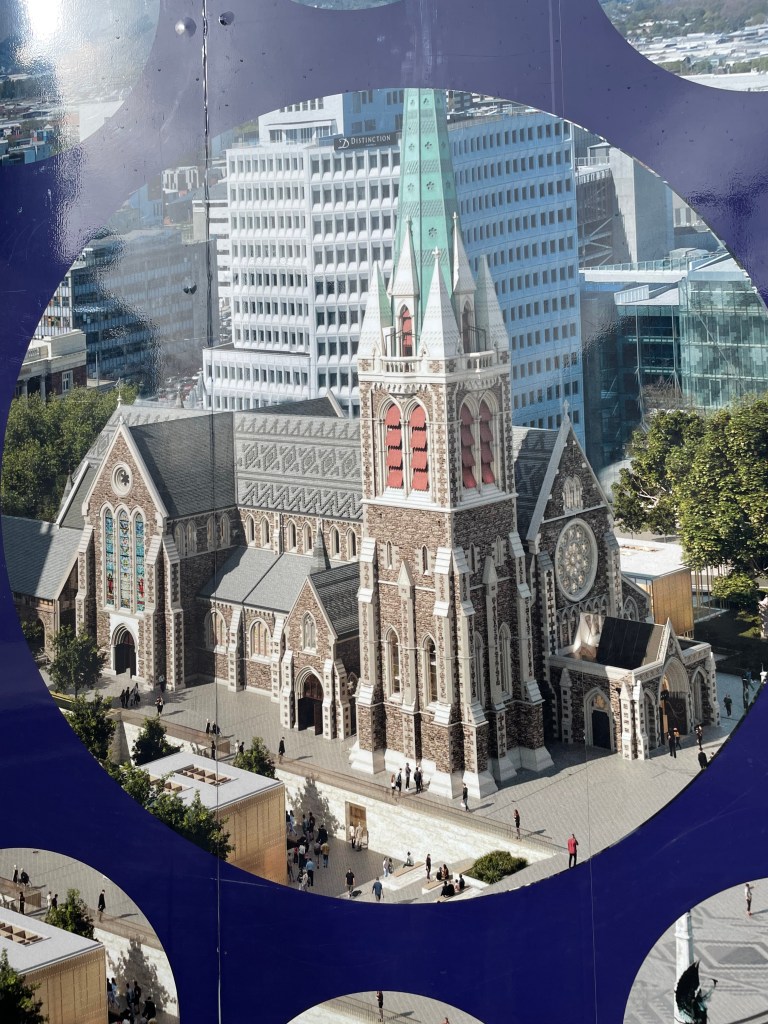
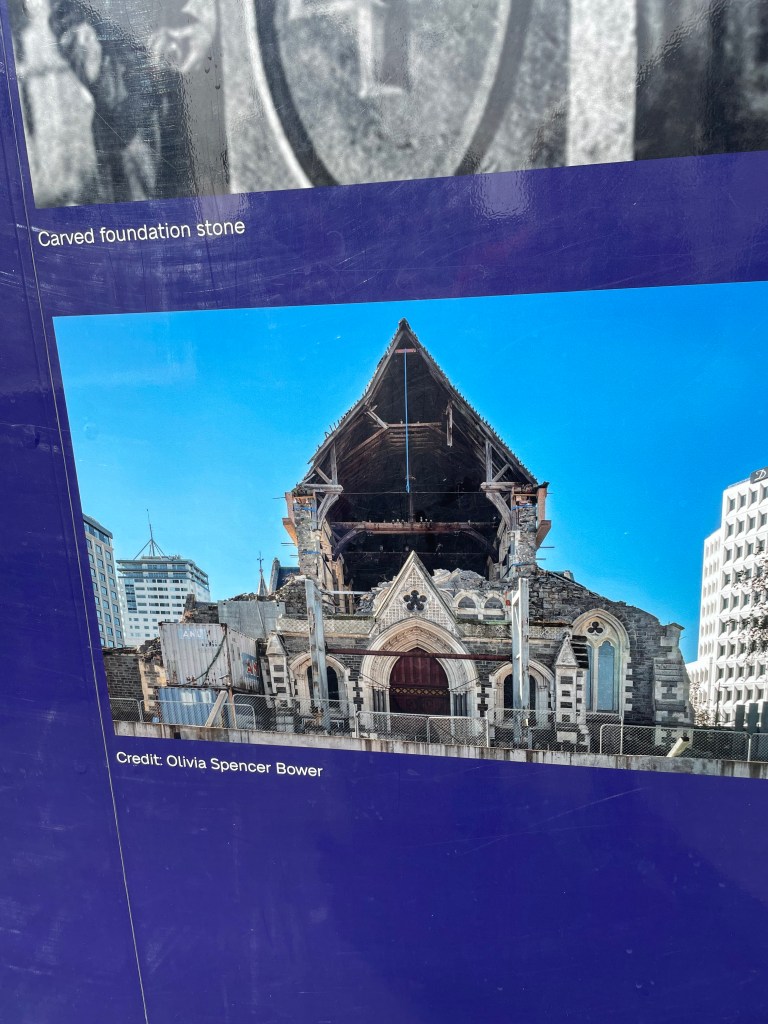
    My first impression of Christchurch was a city of contrasts, old vs new. Some old bluestone buildings were covered in scaffold, new buildings supported massive cranes overhead, vacant gravel parking lots were dotted between stunning new glass architectural marvels. And then we came to Christchurch Cathedral, once a dominant presence in the heart of the city, now a fenced in ruin. No workers noisily worked on the site, the city had run out of funds to complete the restoration. However the Anglican church has promised funds now to restore the front nave, which can seat 100 people.

    After the 2011 earthquake Christchurch was said to be the biggest reconstruction site in the world, until Notre Dame caught fire and took the lead. 

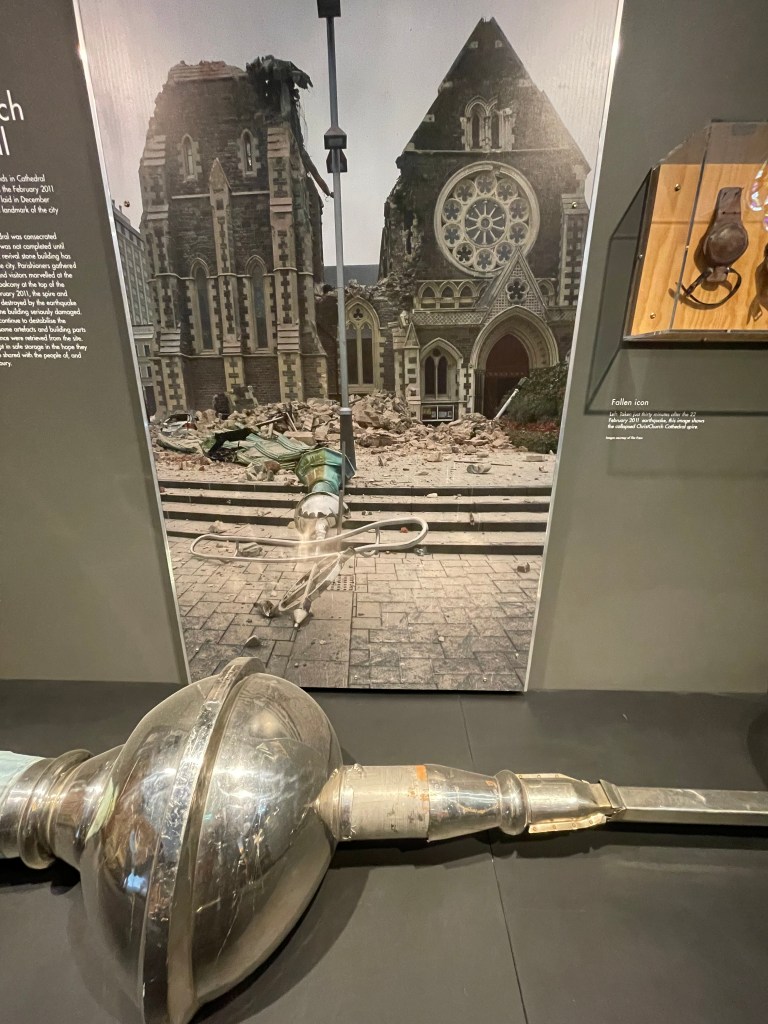
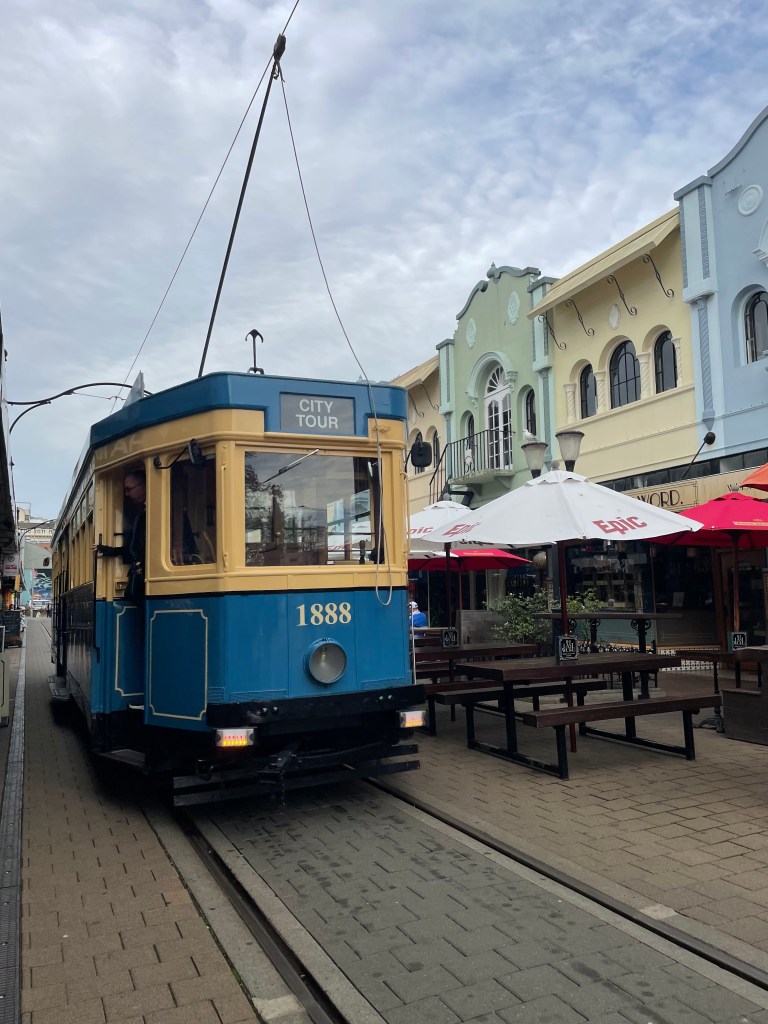
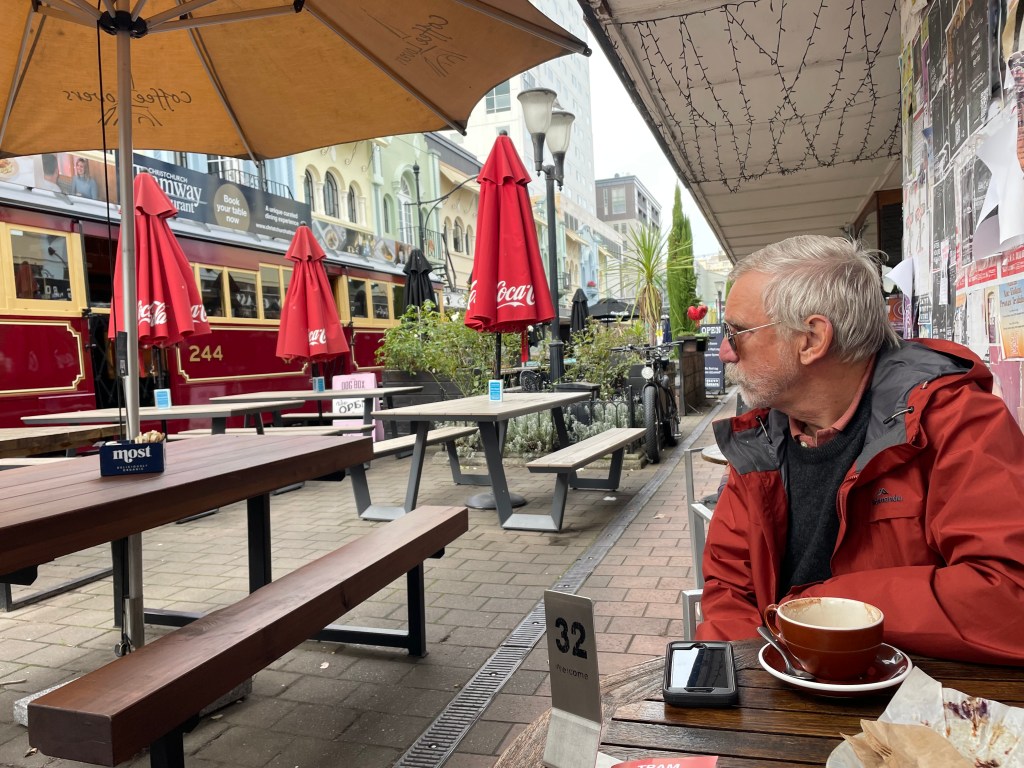
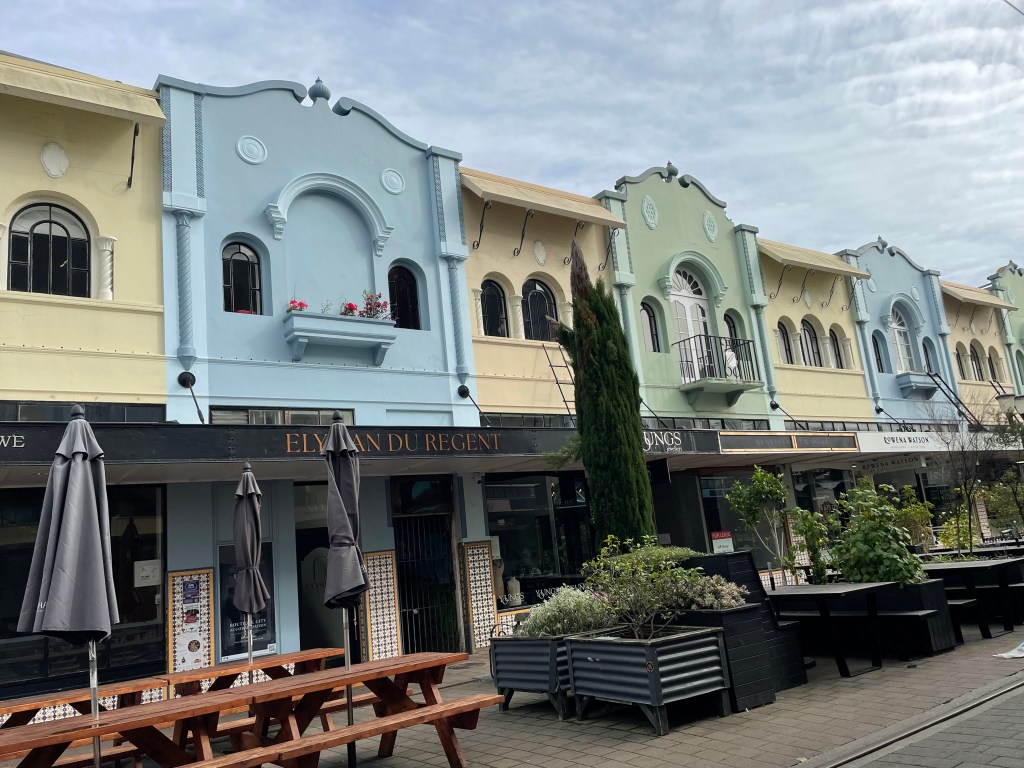
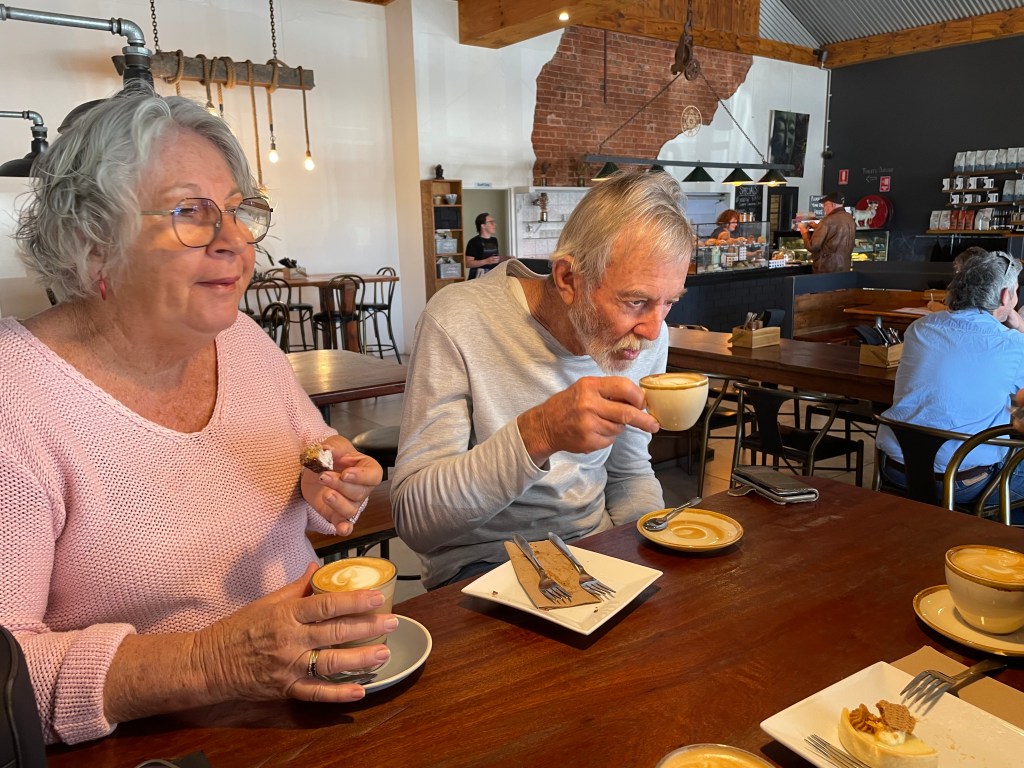
    We boarded the city circle tram seeking a good coffee stop. We weren’t disappointed, stop 18 was New Regent Street, a very quaint street with colourful 2 storey houses and shops where the tram drives down the middle of the road. Suitably buzzing after our coffees and muffin, we walked back to the town centre, and rode another tram through the shopping precinct. Great to hear the commentary from people who’d been witness to the 2011 earthquake. They pointed out which places had survived from the 90% destruction of the city. We decided to visit the Quake Museum. I felt it would be triggering for a local but maybe after 15 years they’re ok. The videos, interviews, photos, remnants of structures, all combined as a lasting memory of just how severe the quake was and how resilient the people have been to rebuild their city. Glad we chose to go there.

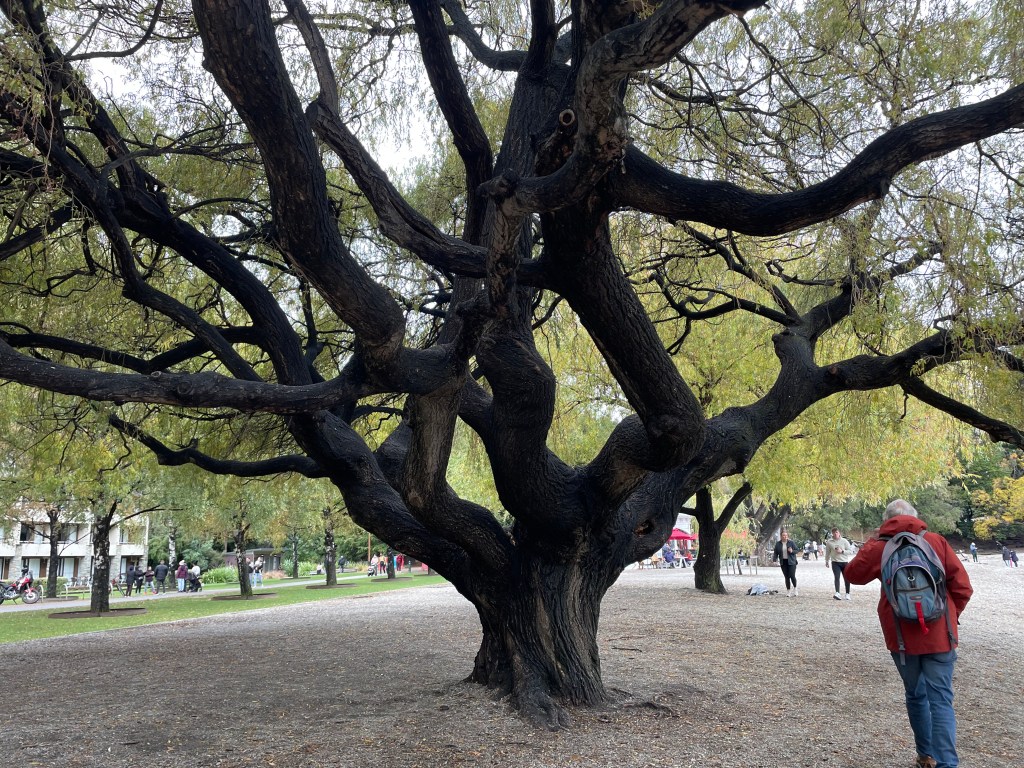
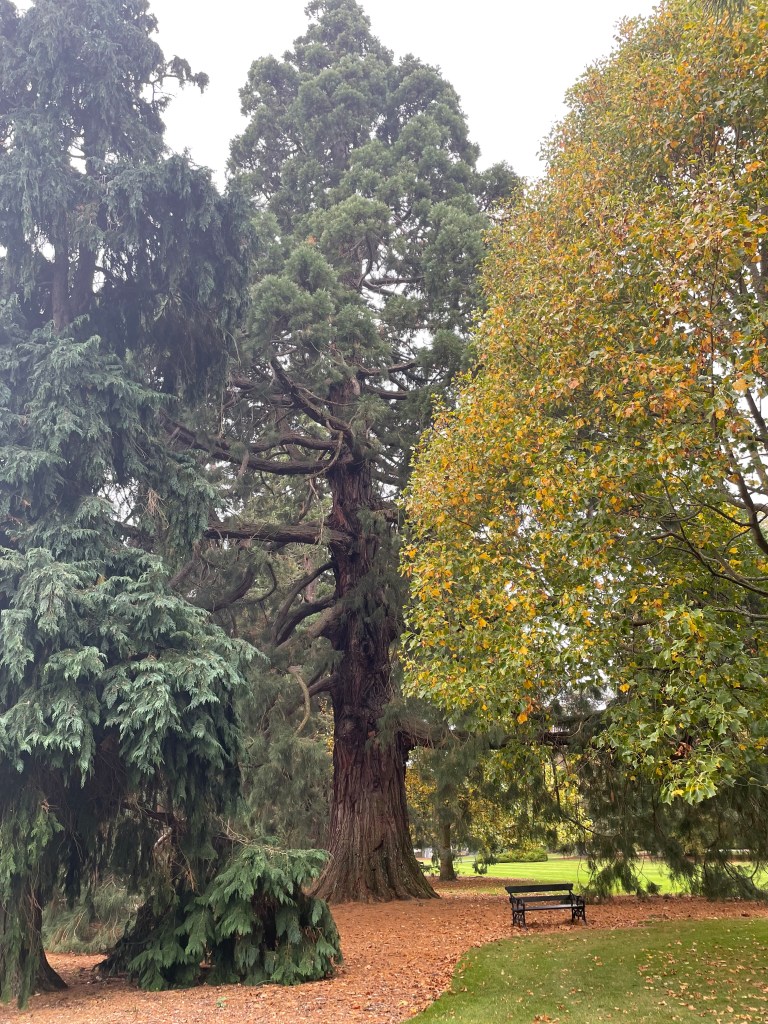
    To finish the day we walked back through the Botanic Gardens, adjoining Hadley Park. I loved all the significant trees, especially the towering Sequoias from California, the Ginkgos from Japan, as well as the Oaks, Cedars, Redwoods, Pines, Elms and even a Wollemi Pine. Many were planted as Commemorative trees by notorieties like Dalai Lama, and the late Queen Elizabeth. It’s so energising to stand by a towering tree and look up into the branches and feel tiny…. surrounded by the giants of Nature. There’s very little built by humans that exude such a powerful presence, that make me want to stay in it’s aura for a long time. 

    Big day today, pick up our camper van. Time to experience camping like we’d never done before. 

    After the prolonged briefing, going bit by bit through the van with a lovely German backpacker, we finally set off towards Arthur’s Pass. Below the Pass we stopped for the night in a park, to power up our battery, and learn how to make the bed, switch things on and off, all pretty straight forward actually! The cold night taught us to close the vent over the bed and add an extra blanket.

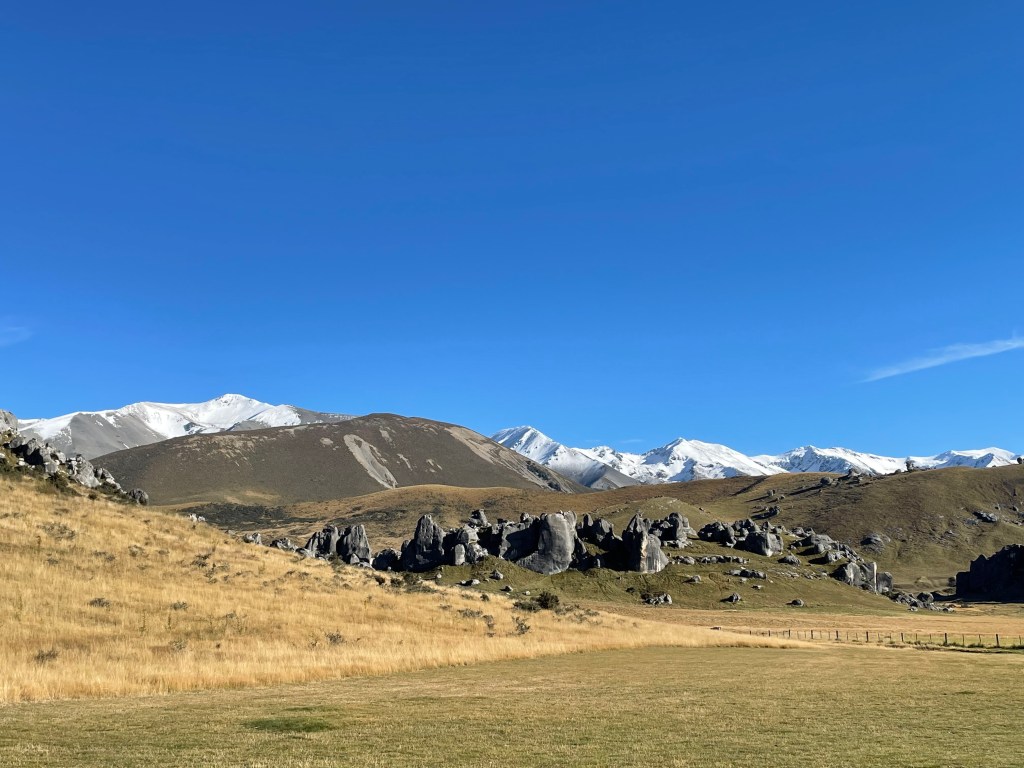
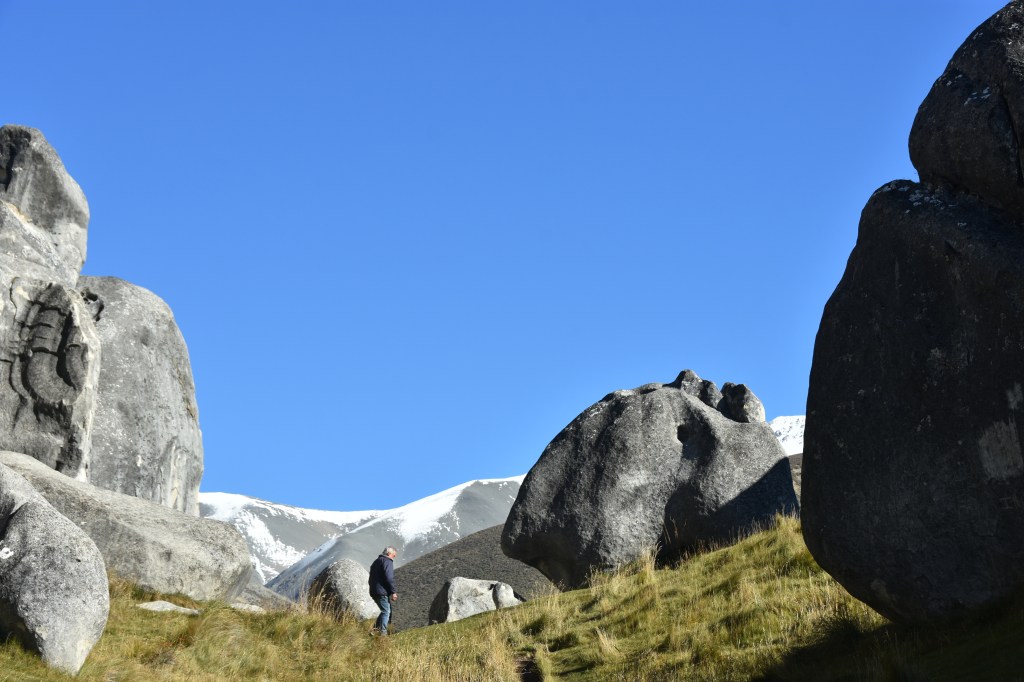
    Castle Rocks

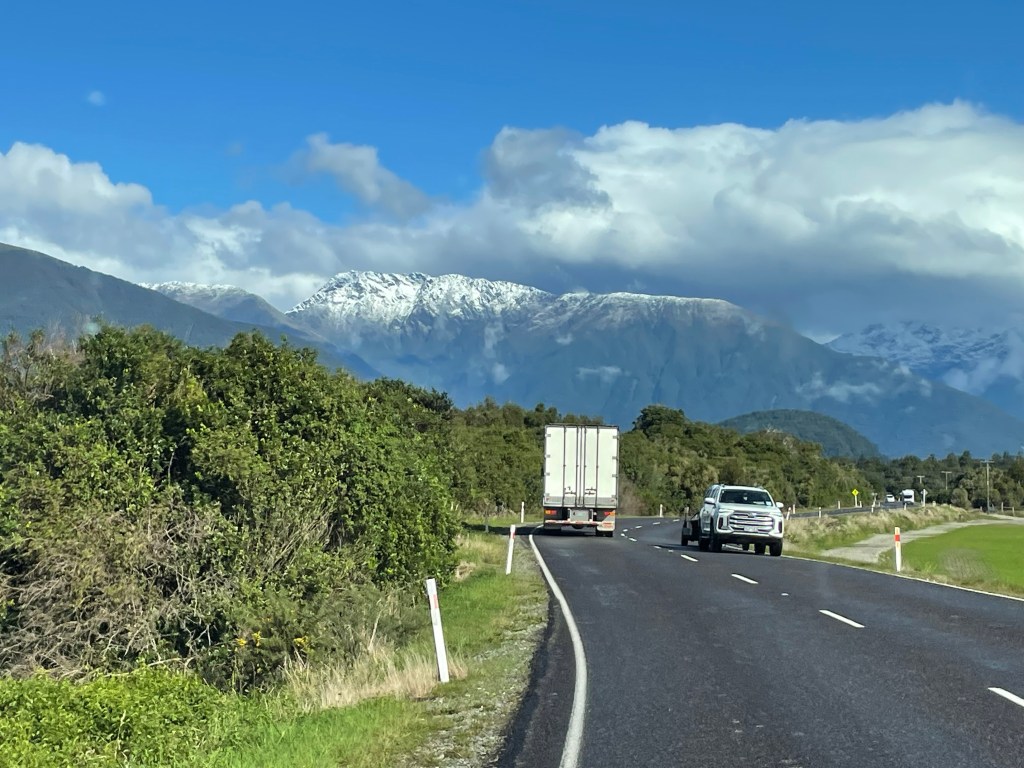
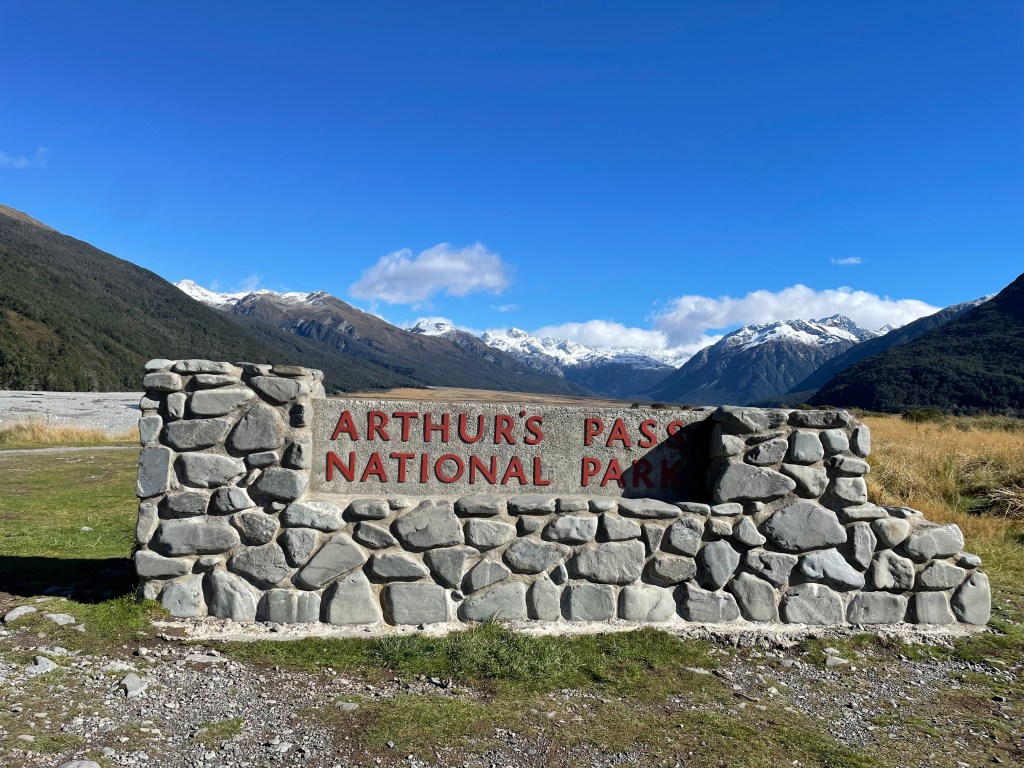
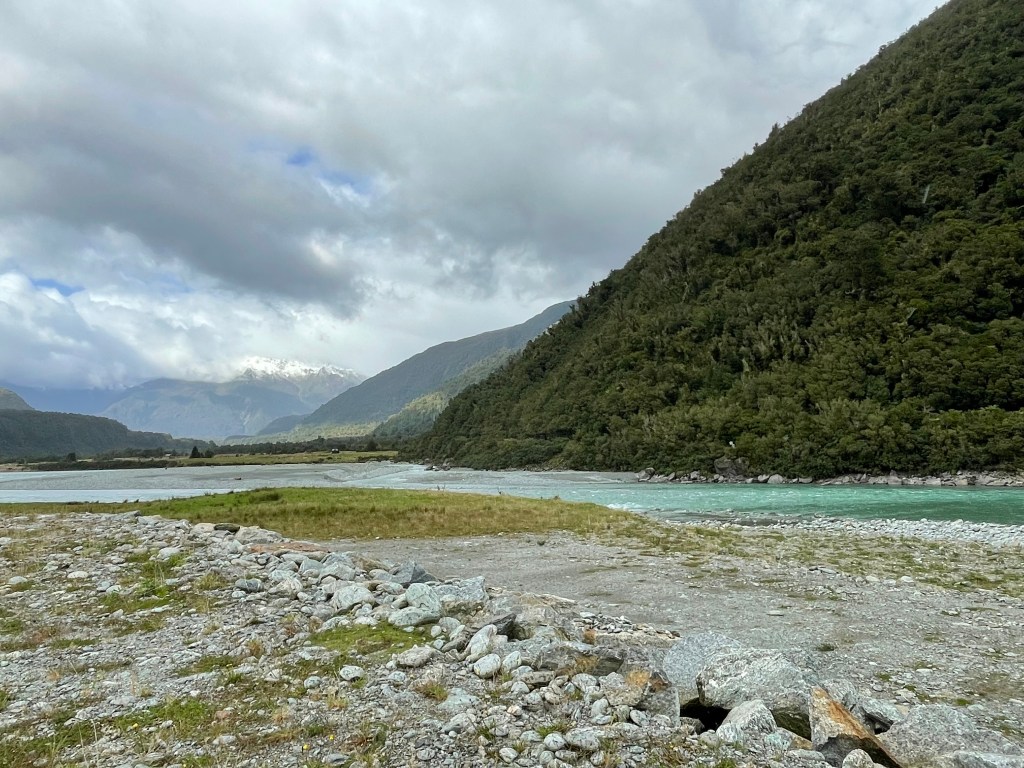
    With snow capped mountains already visible, we headed for Arthur’s Pass. I think we were both expecting somewhere like Charlotte’s Pass in the Aussie Alps, a narrow pass with snow all about us. But no, it was a small non-descript town with a railway station. Over the western side of the Pass was a narrow steep winding road with a huge gorge of violently rushing aqua glacial water. We took a shortcut turn off to Greymouth, our destination for the night. 

    Nick writes: 

    “Greymouth is situated in the Grey District which is much the same as the naming of the Northern Rivers or a prefecture in Japan. Named after the then Governor Sir Somebody Grey who also had the Grey river named after himself, later the town Greymouth was named after him with much fanfare. It is a very apt name as the hills that surround the place are grey, the river is grey and you guessed it the weather is grey as well. There is an information board in town that states that ‘A week without rain in Greymouth is very unusual’. As soon as we got there it started to rain and it continued all night with gusto.”

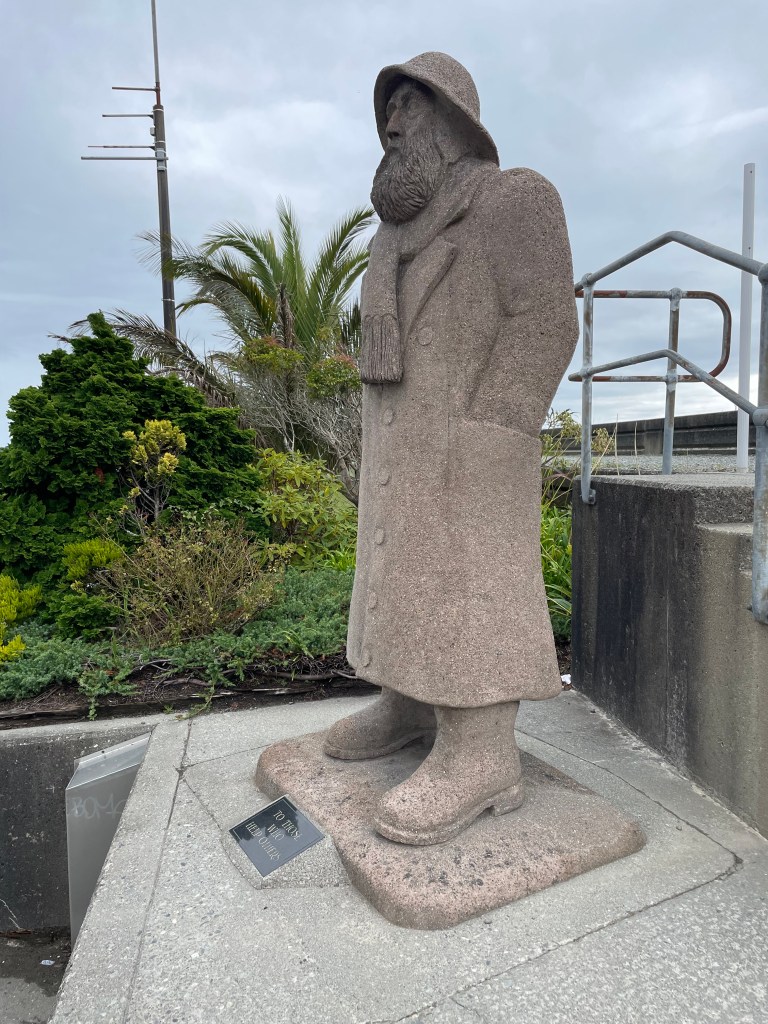
    The only photo I took in Greymouth. Says it all!

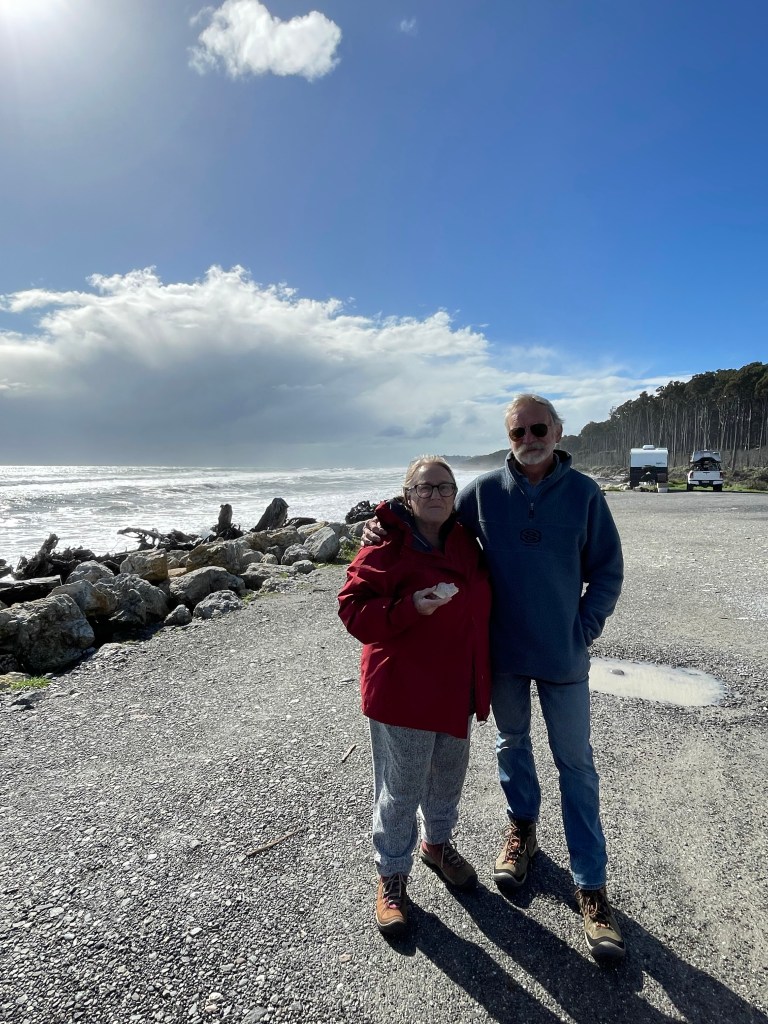
    We parked in a free camping spot on a spur of the headland, close to the sea. Overnight, I estimate 30 more vans joined us. We parked as far from the sea as possible. After the battering we got in Swifty at Crescent Head in 2025, we will never trust a coastal campsite again, we made the right choice this night. The wind howled, rocking our van, the rain was torrential. I was not envious of the row of vans facing the sea. 

    There’s local folklore about the wind:

    “The “Greymouth Barber” is a famous, cold katabatic wind that blows down the Grey River valley in New Zealand. Occurring at night, this gravity-driven wind brings dense, cold air from the mountains down the valley, often creating a, “long white cloud” or fog known to feel as sharp as a razor, or “cutting your hair”. We had a short back and sides….and a shave!

    The morning after was surprisingly calm, as often happens after a storm bash. We quickly ate our brekky as we knew the west coast of the South Island was due to have more rain and wind. In fact the weather forecasts were not good, so we headed down to Wanaka, with only brief pauses at Franz Joseph and Fox Glaciers.

    This should do for this first NZ blog. My thoughts so far….we are doing really well in the cold….giving thanks daily that we are not in Swifty. As a first taste of a country many Aussies have visited often, we are skimming the country, but whetting our appetites for another trip…..in summer!!!!

    Jen & Nick xx
  • Surviving in the Flinders Ranges.

    The end for Swifty……

    September 11th 2025

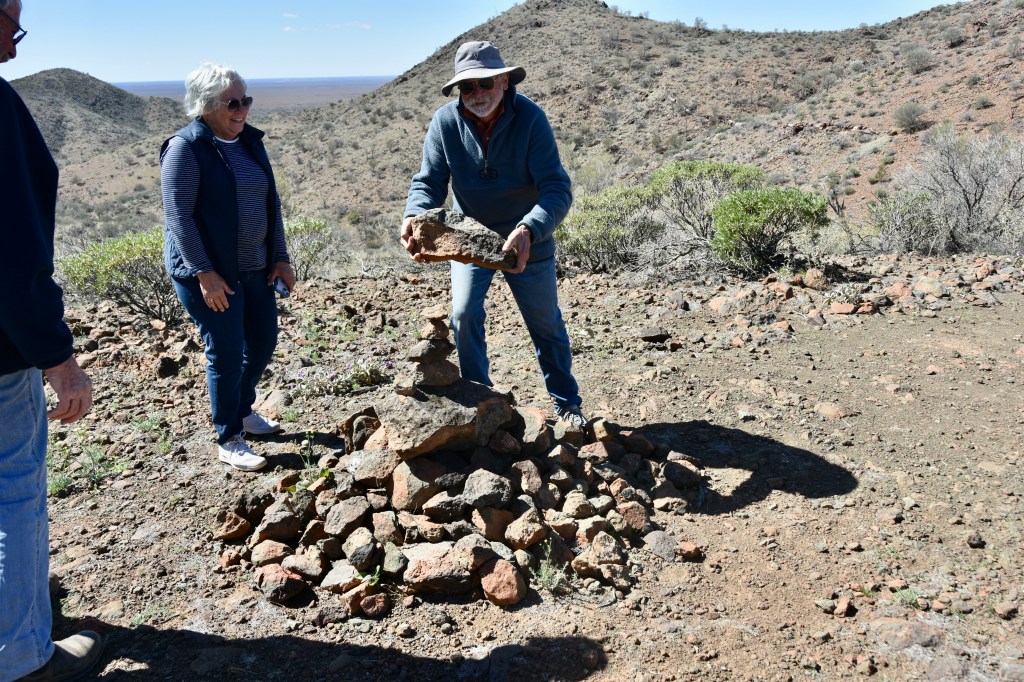
    Still at Arkaroola , we set out on the third day for the Echo Camp Backtrack self drive. You pay the fee to get the track notes and the key to the locked gate along the way. It’s a 4 hour round trip.

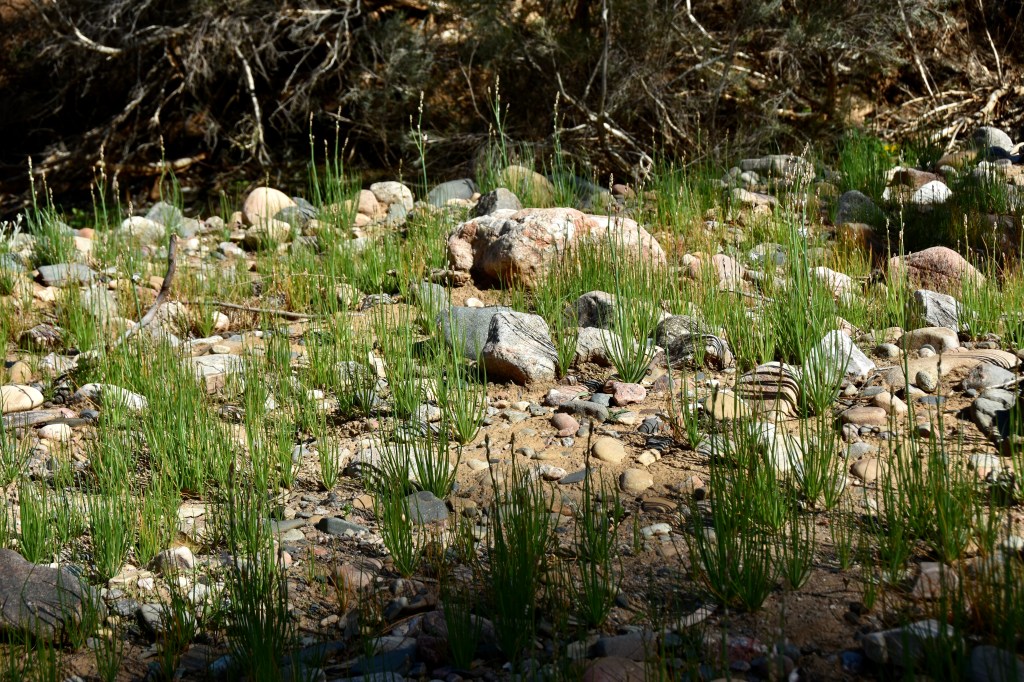
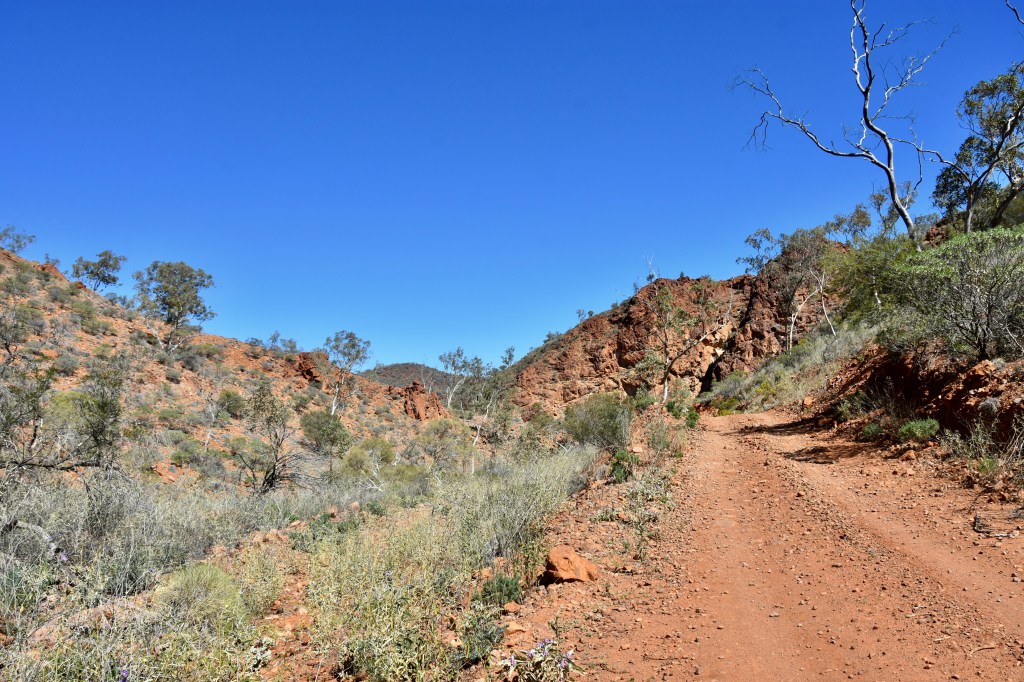
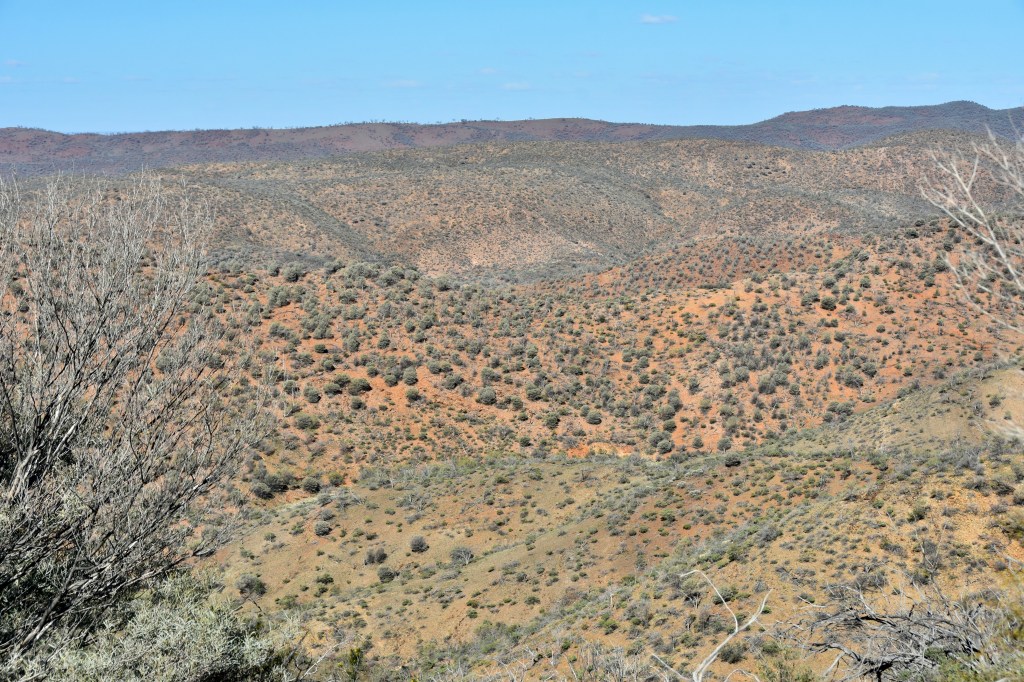
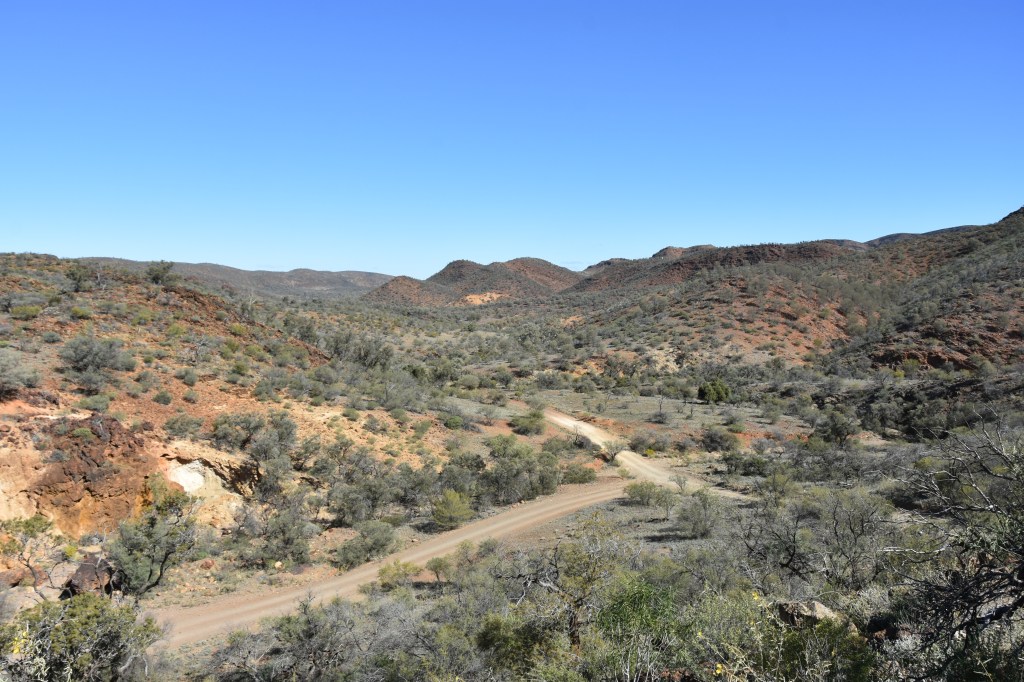
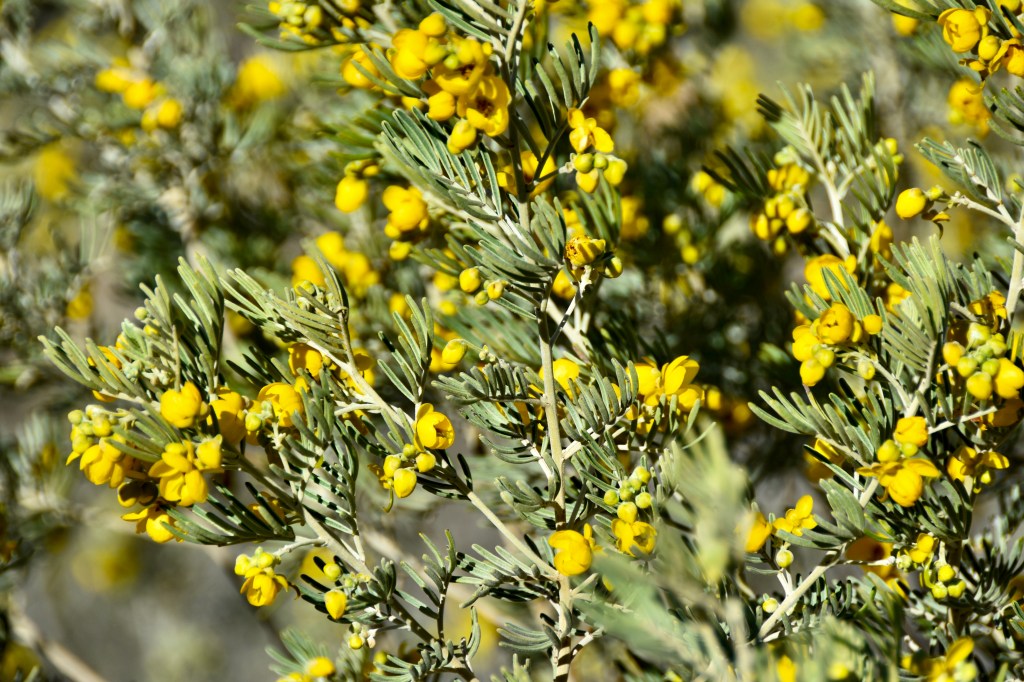
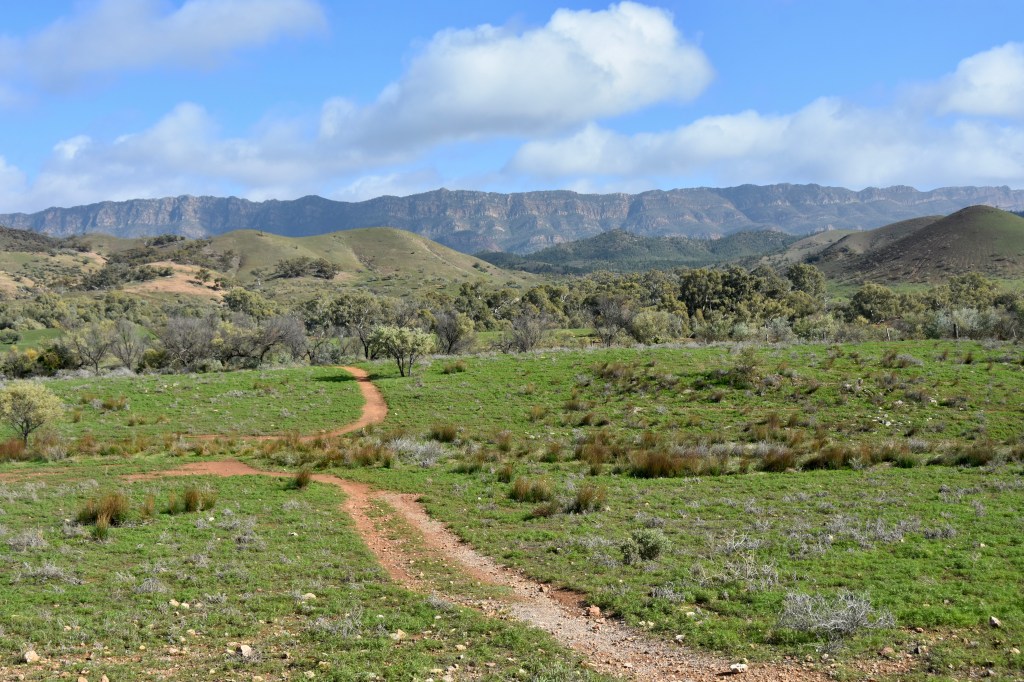
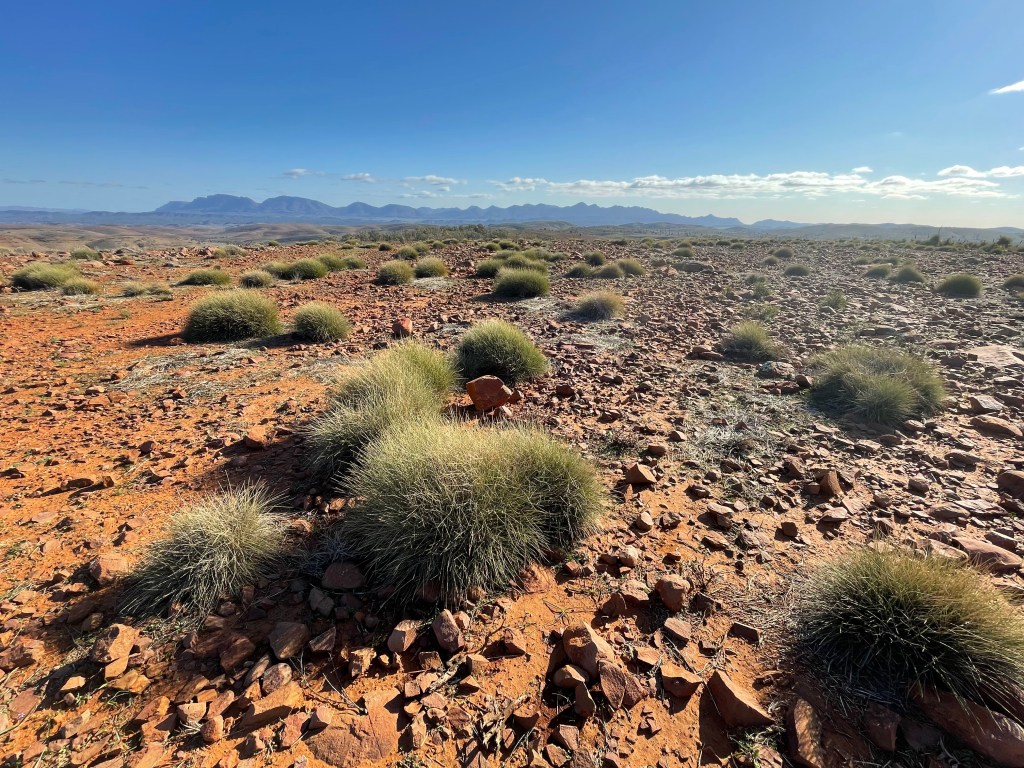
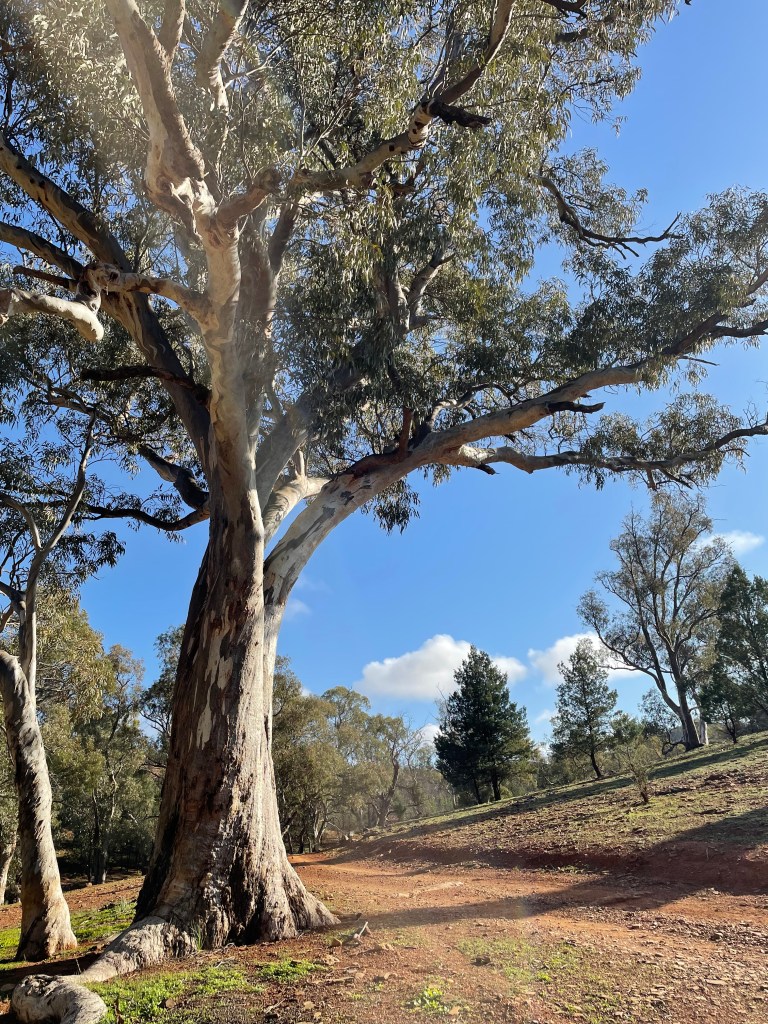
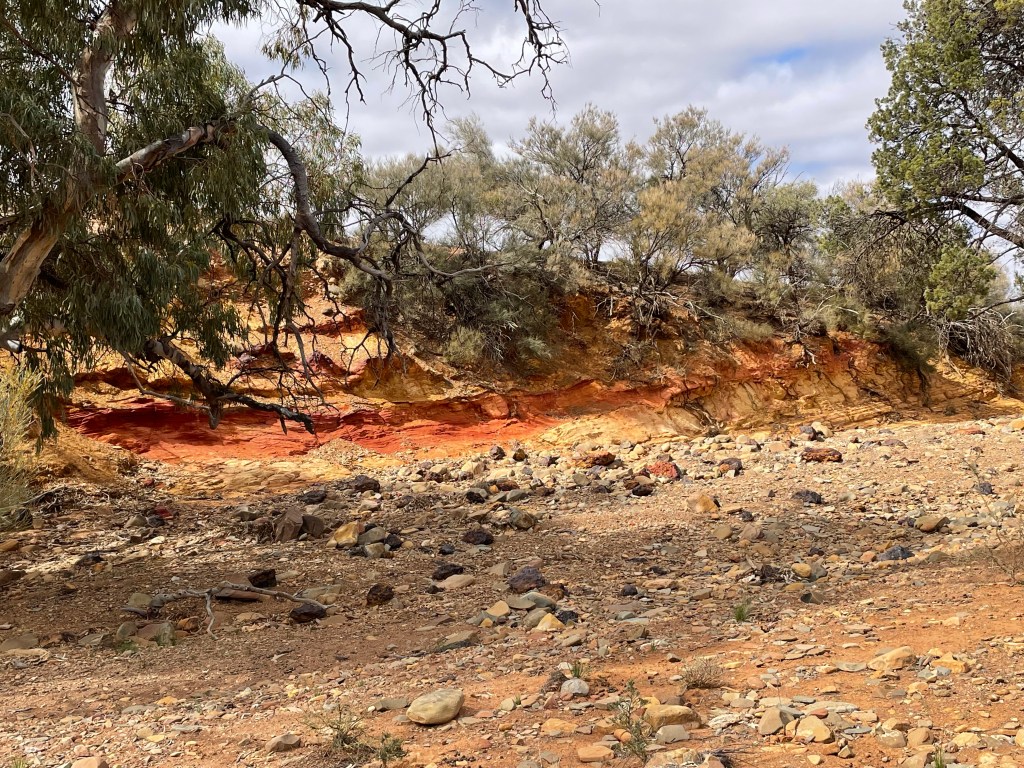
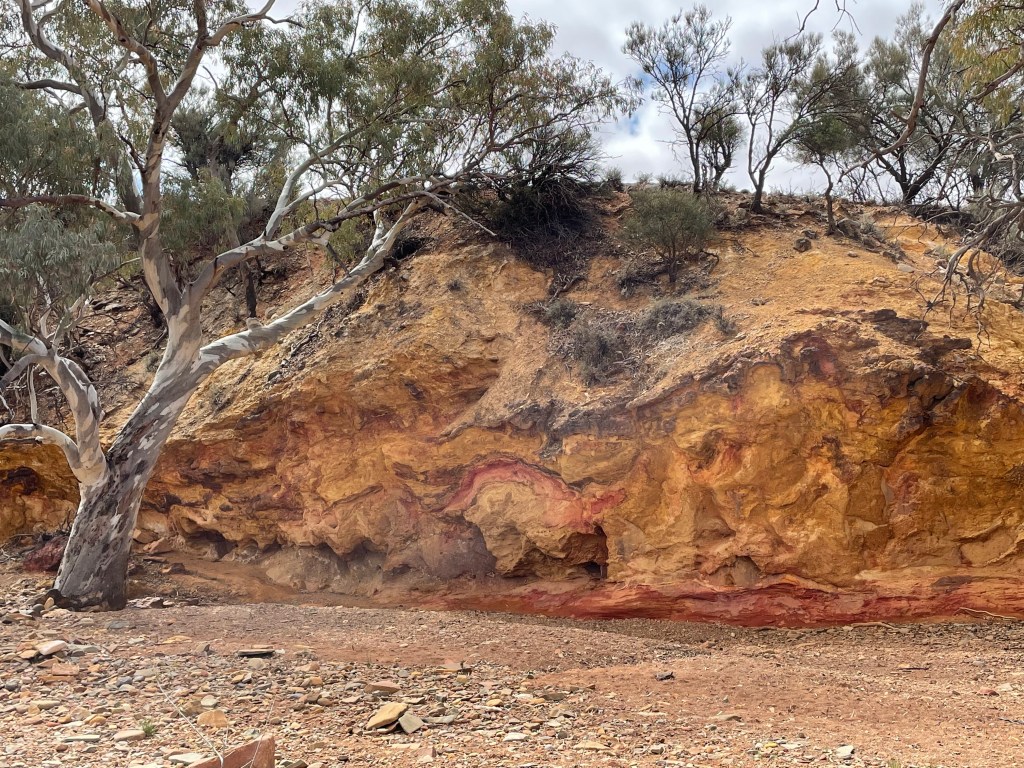
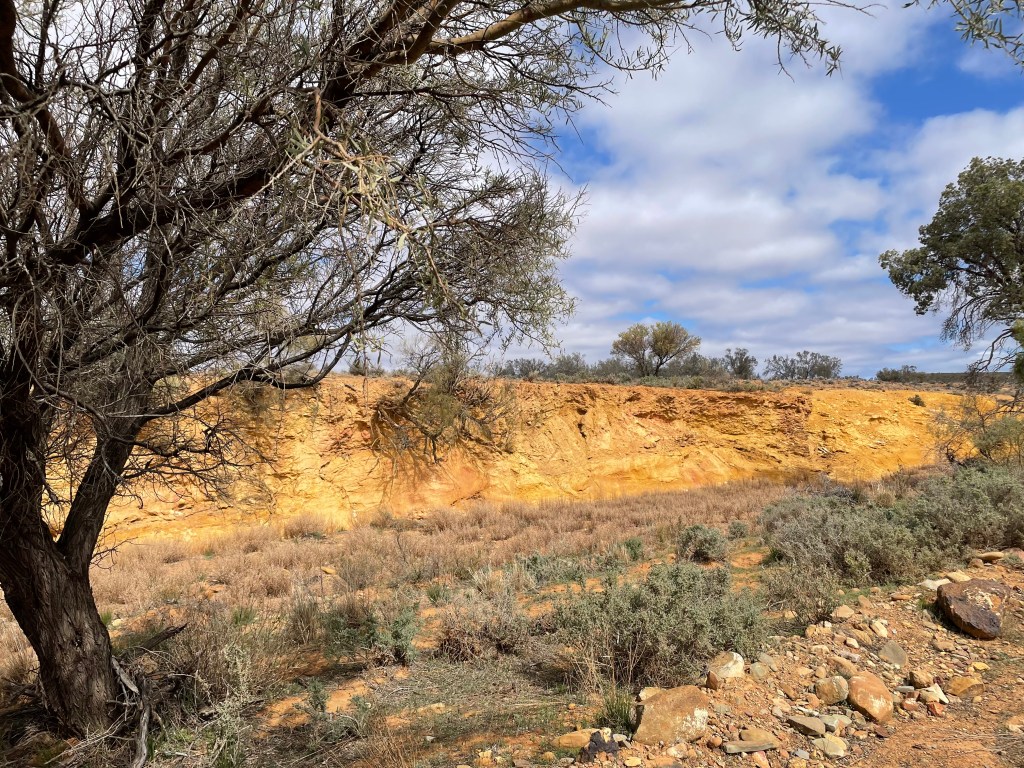
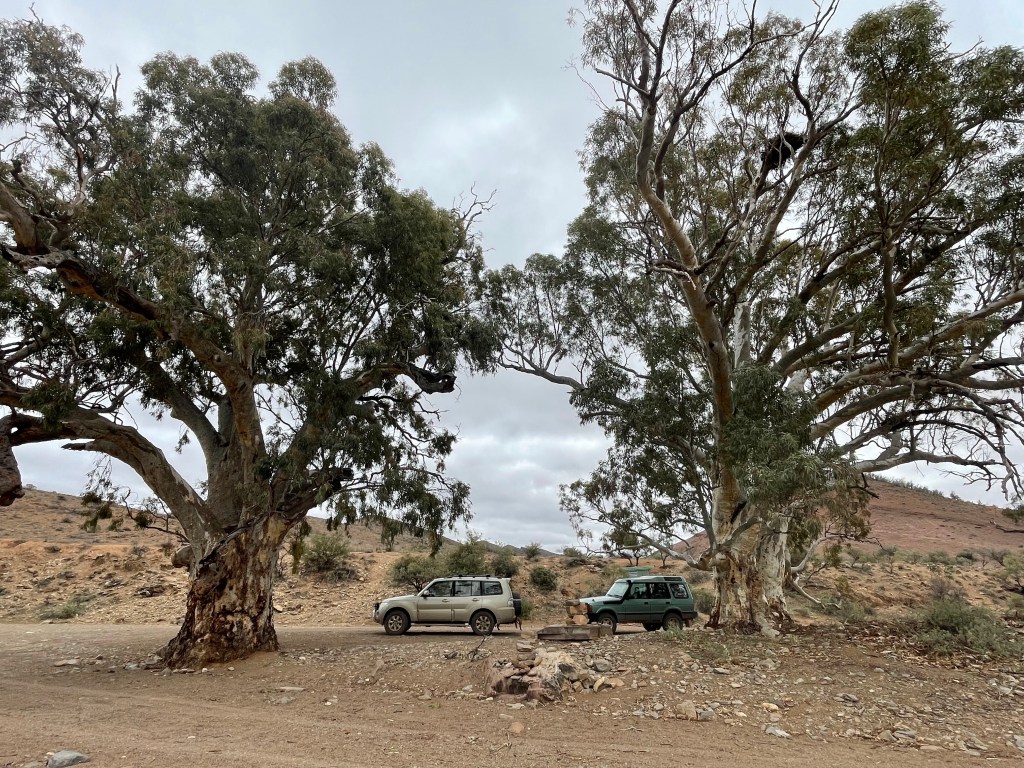
    This was a 4WD adventure that had some quite difficult terrain, however we were rewarded with some stunning scenery and a great oversight of the history of Arkaroola station. All the waterholes were dry despite high rainfall during winter around this inland northern corner of SA. Generally the area was dry and dusty with a sprinkling of green showing through from more recent rains. The massive River Red gums dominate the valleys and watercourses while the remainder of the landscape has the hardy dry country shrubs like Mulga, Black Cypress, Bullock trees and Acacias. There were a few kangaroos and emus, not many birds.

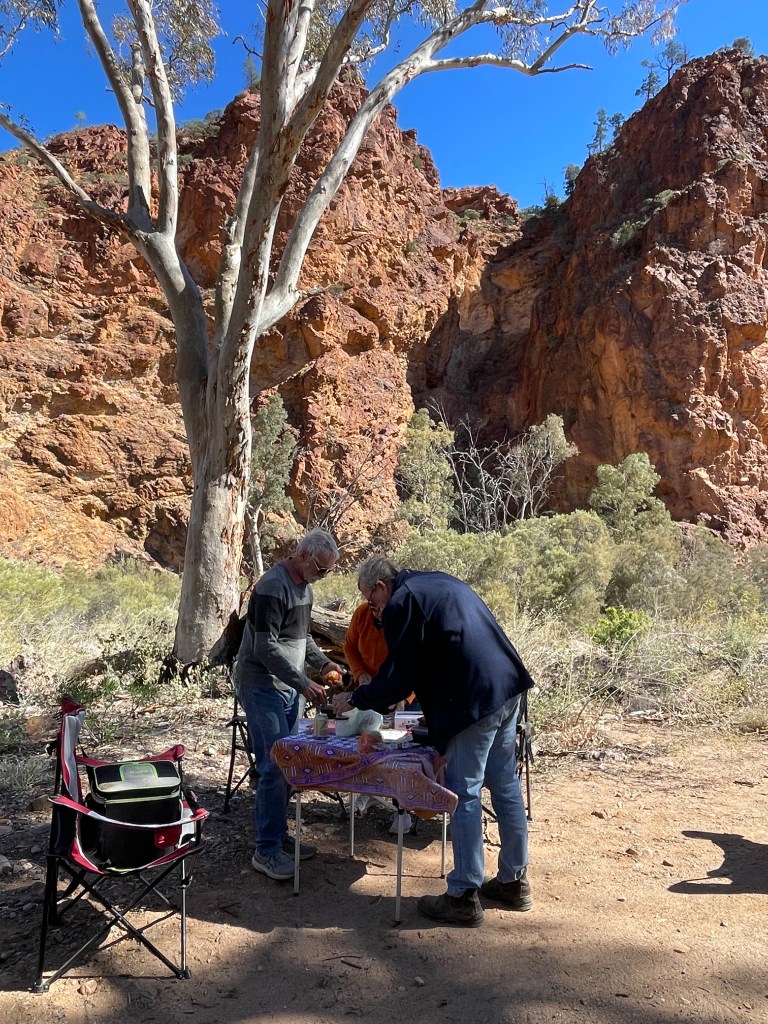
    Lunch stop Barraranna Gorge.

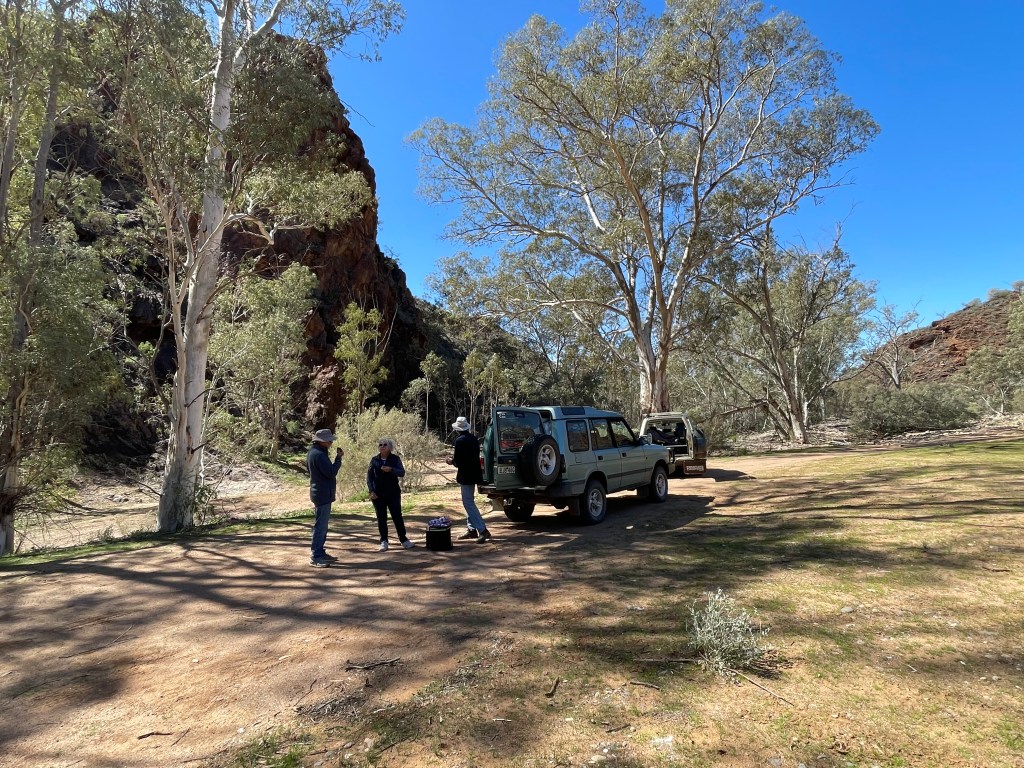
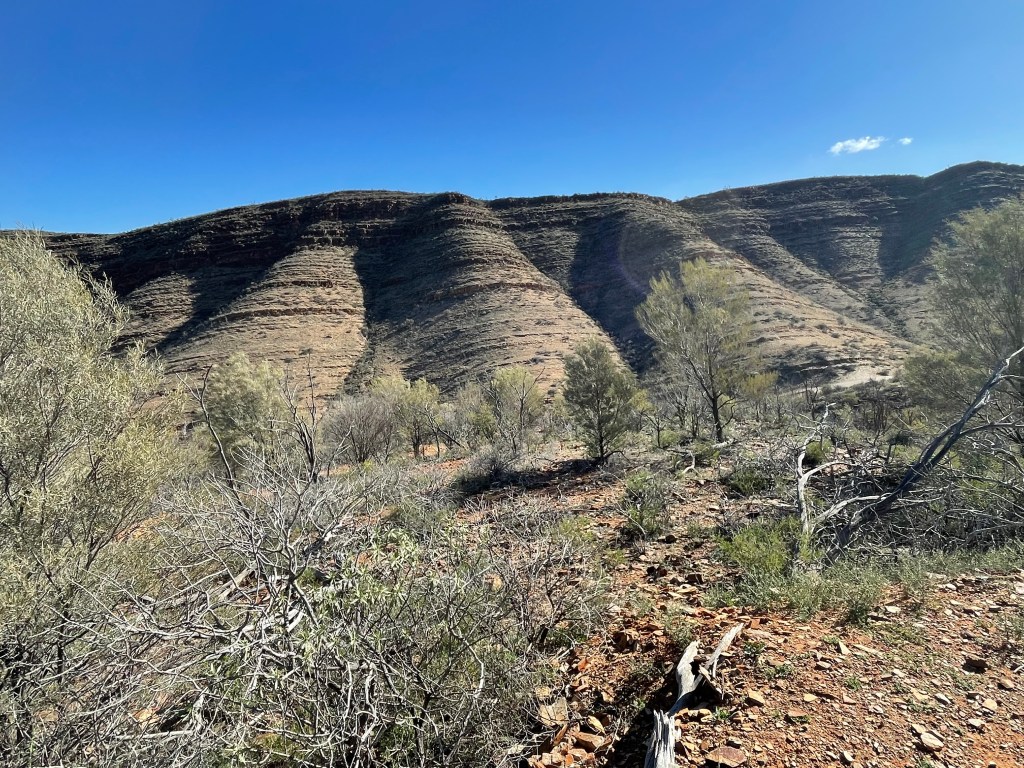
    We found a great spot for lunch where we duly broke out the table cloth, zero beers and snacks, thoroughly enjoying the peace beside the towering red ochre cliffs.

    Echo Camp Backtrack

    The pictures will tell you how stunning the landscape was, although photos don’t really do it justice.

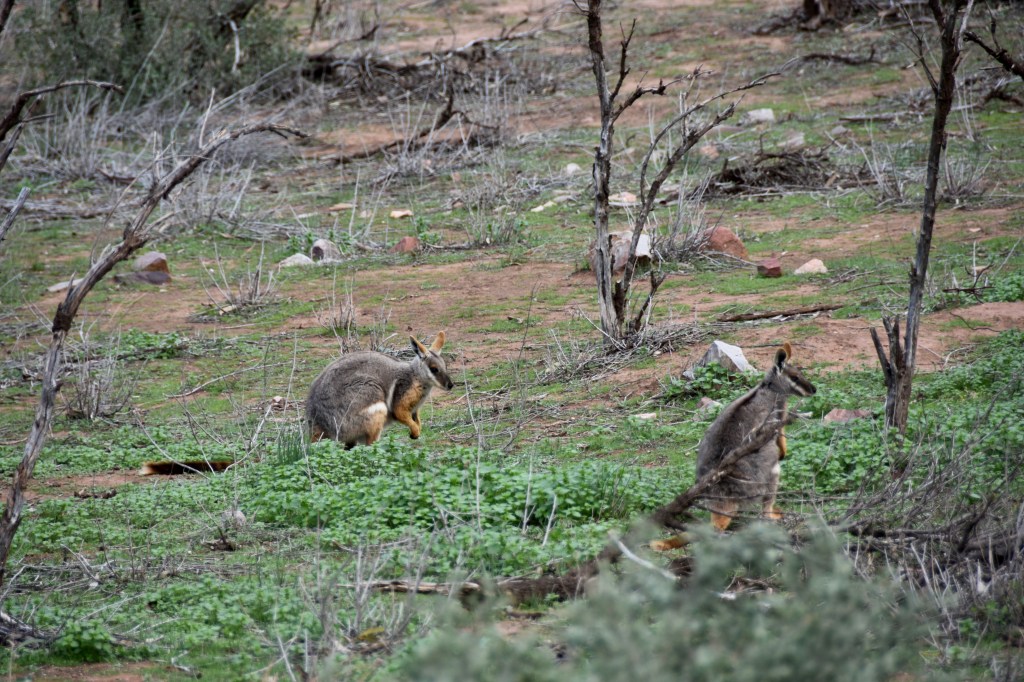
    It had been a big day, much bouncing over rocky roads, inhaling dust. Andrew & Marilyn went to see the Yellow Footed Rock Wallabys being fed, with Doug Sprigg, the son of the original settlers at Arkaroola, sharing his story about living there, which was most entertaining. 

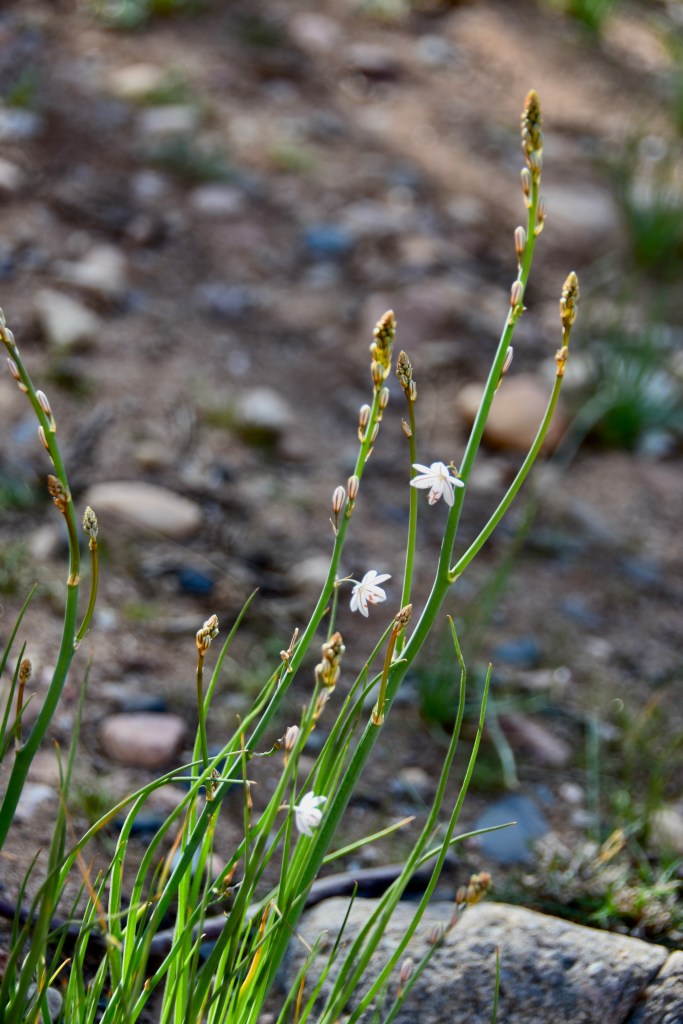
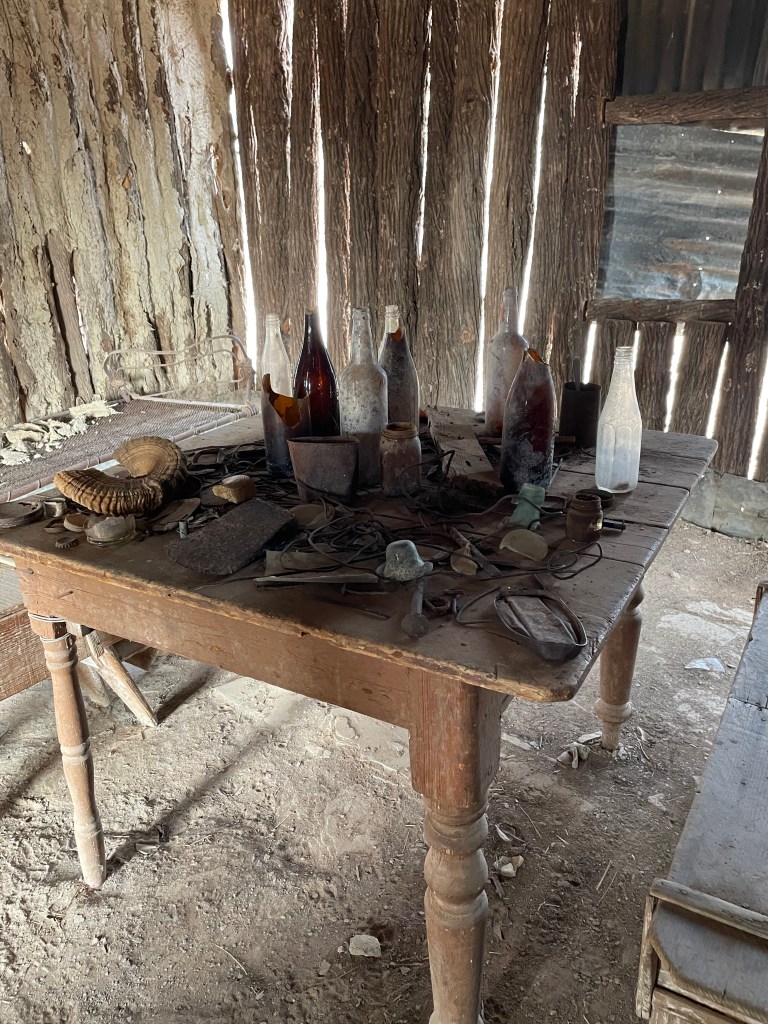
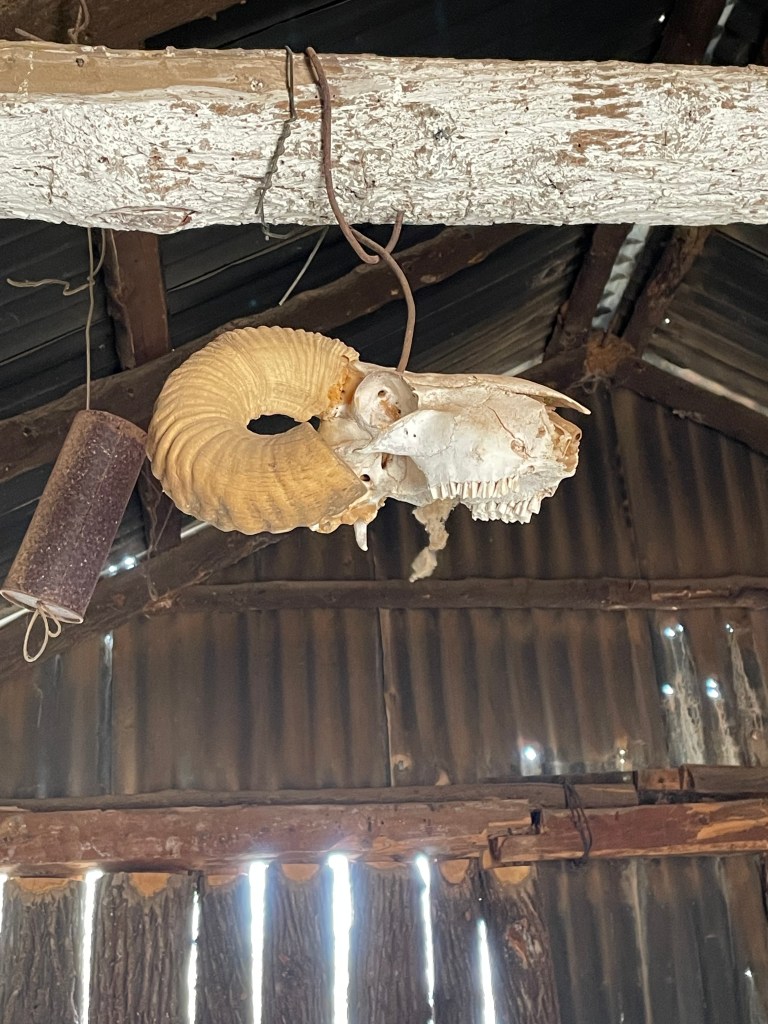
    Look what Nick found……..

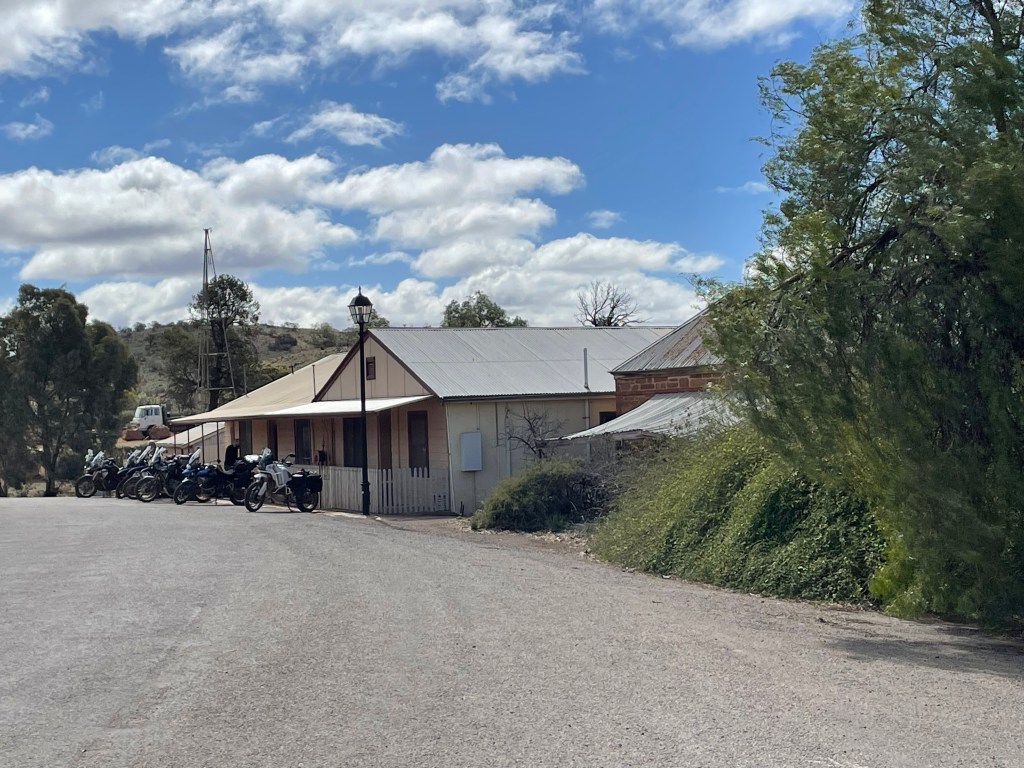
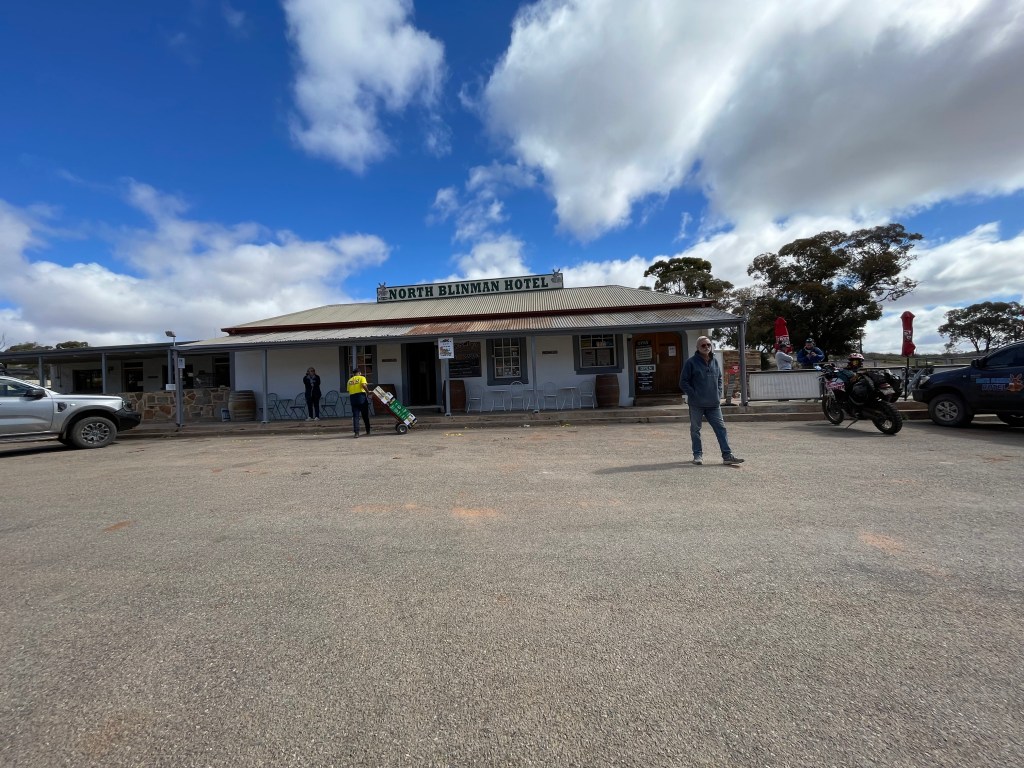
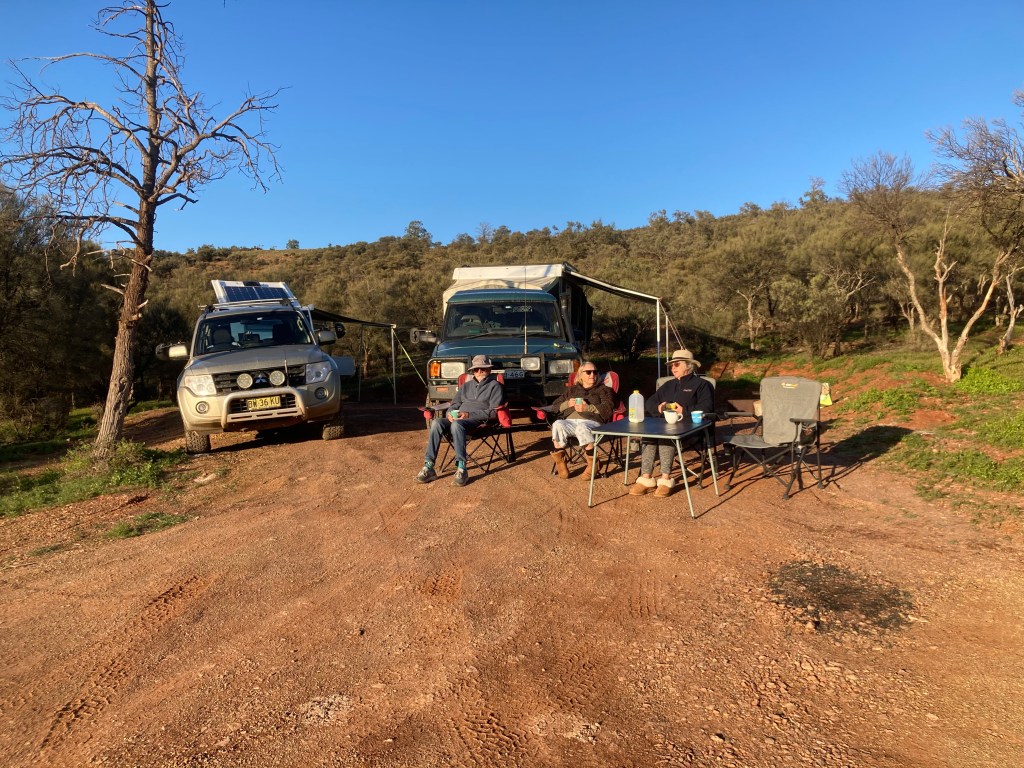
    We had made the best of Arkaroola. It was time to move on. We knew a severe cold weather blast was expected across southern Australia. The predictions were horrible. We rendezvoused with Neil and Erica in Blinman, then settled for the night at Alpana Station. Neil had nicely placed the Penguin beside an ensuite between 2 buildings…our site was out in the open paddock with a couple of small gums surrounding us. The wind was strong, it was already very cold. We were preparing for a repeat of the night at Arkaroola. Fortunately, it wasn’t toooo windy or wet. We enjoyed a lovely fire in the camp kitchen and survived another night.

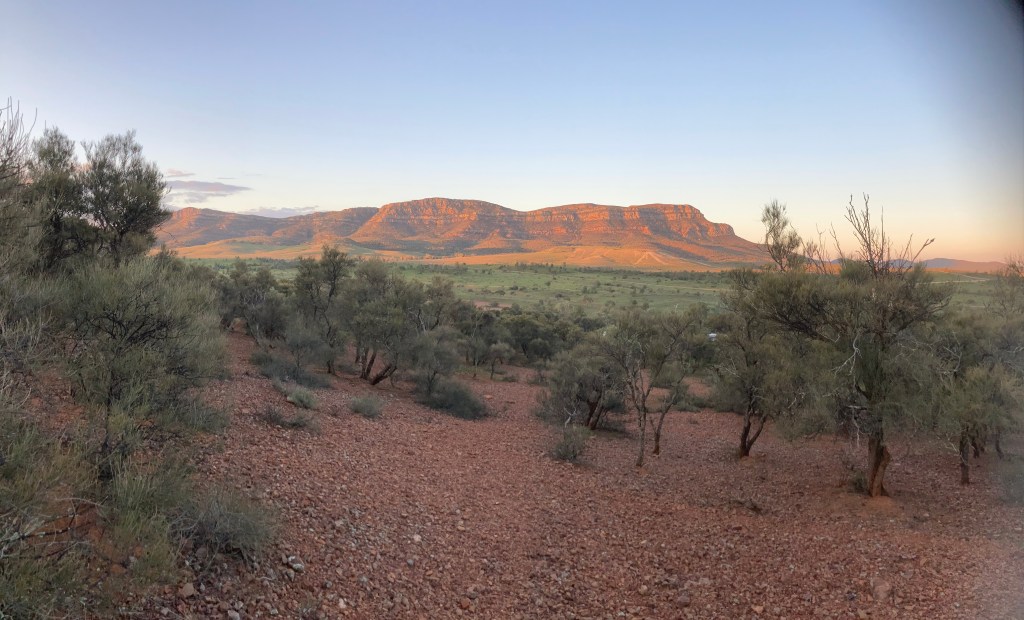
    A fraction of the 360 degree view from the hilltop at Alpana Station

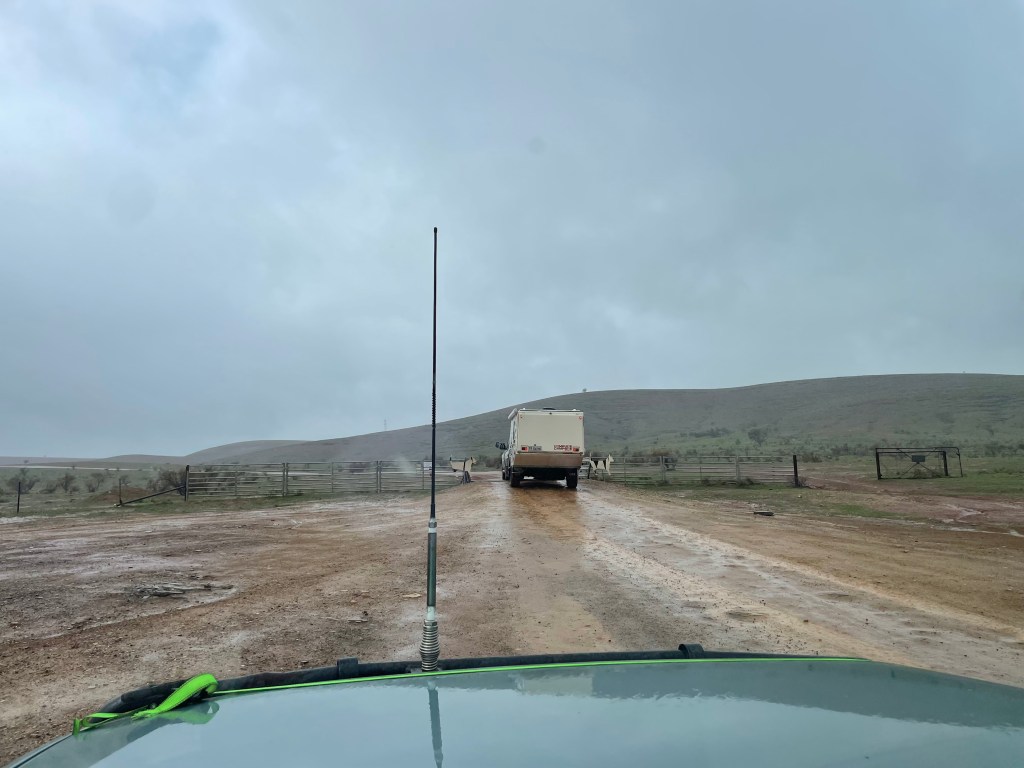
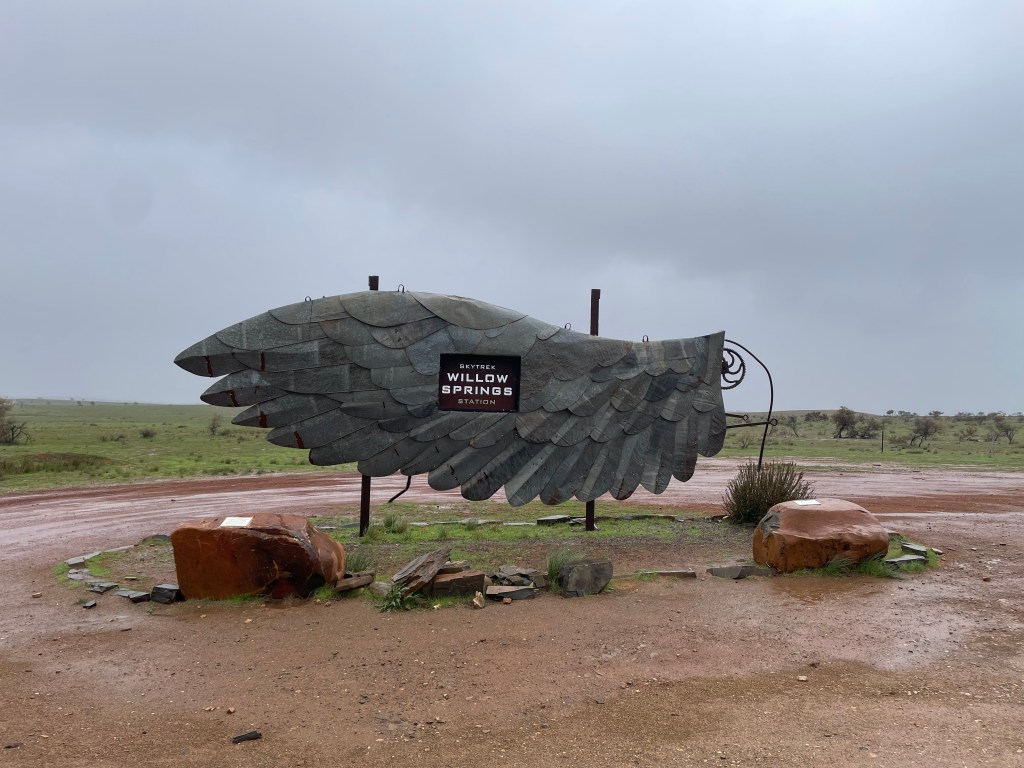
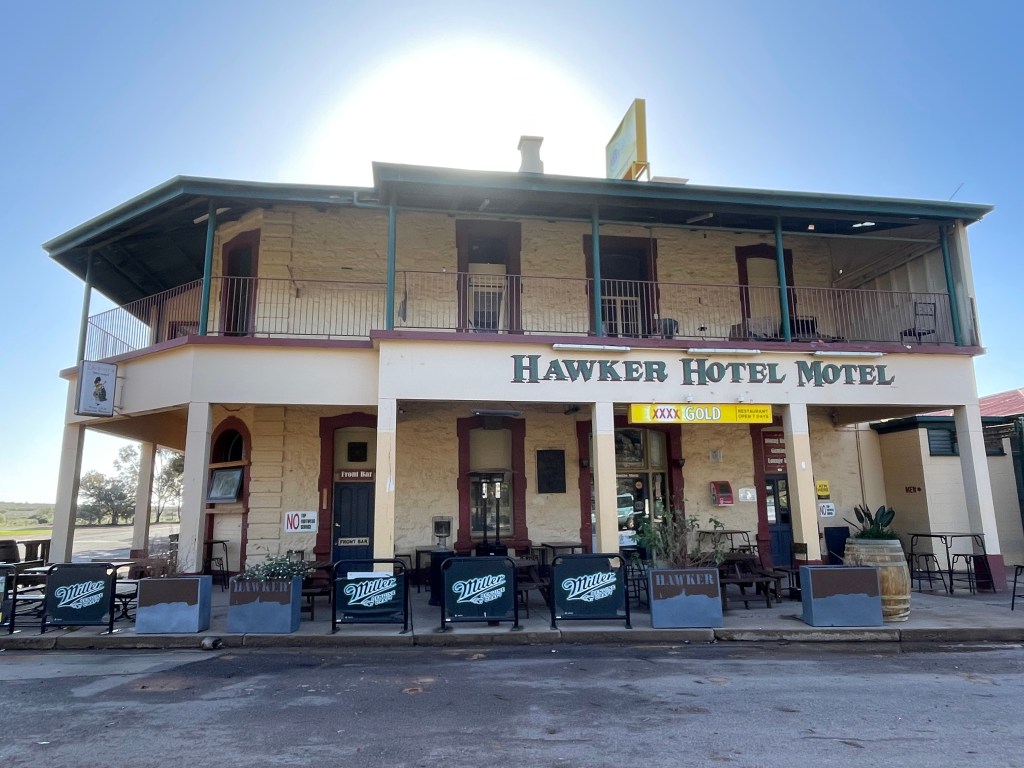
    The next day we all headed off to Willow Springs Station. After coffee and cakes, huddled in the warmth of Blinman’s cafe, we set off. This morning was very cold, almost Arctic! The sky ahead was black, the rain constant and the cold wind buffeted the car. We wouldn’t have been surprised to see snow. Driving into Willow Springs over red muddy roads in the rain, morale was low. We checked in with reception, not sure we really wanted to stay. At the camp kitchen we used the wifi and found we could make a booking at Hawker Hotel, about 60 km further south. It was a joyful few moments for everyone when we realised we would be dry for the night, in a room with the toilet nearby, out of the wind, with a heater, with a pub meal onsite. And no red gluey mud to deal with.

    Entrance to Willow Springs

    Erica was a bit sick with the flu. They had done the Flinders Ranges on other trips, so they decided to hightail it back home to Byron. We 4 felt we had come this far, silly not to see the rest of what the Flinders had to offer. So back to Willow Springs Station. It had stopped raining by now and the bitter Antarctic cold had passed. We had a good campsite near the amenities and a great camp kitchen and laundry, so we were happy.

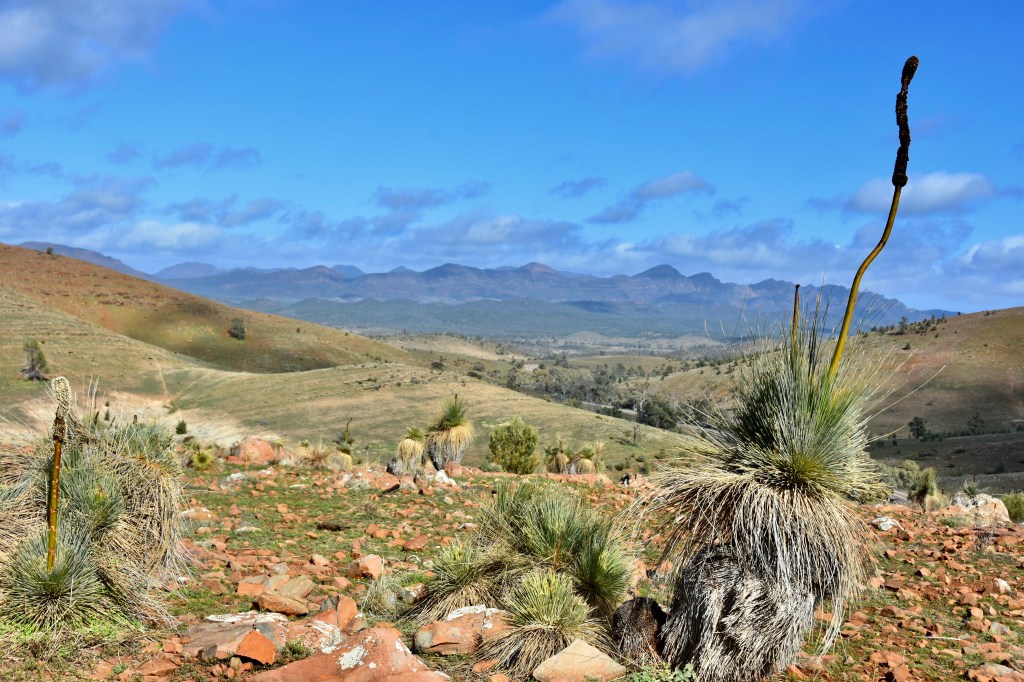
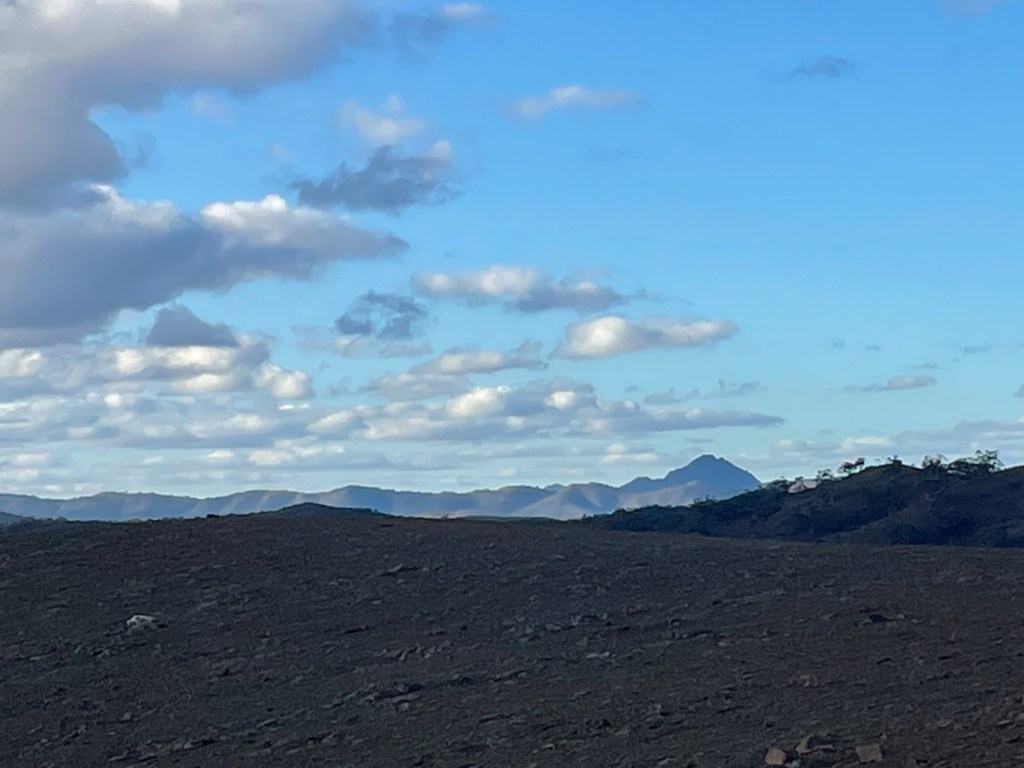
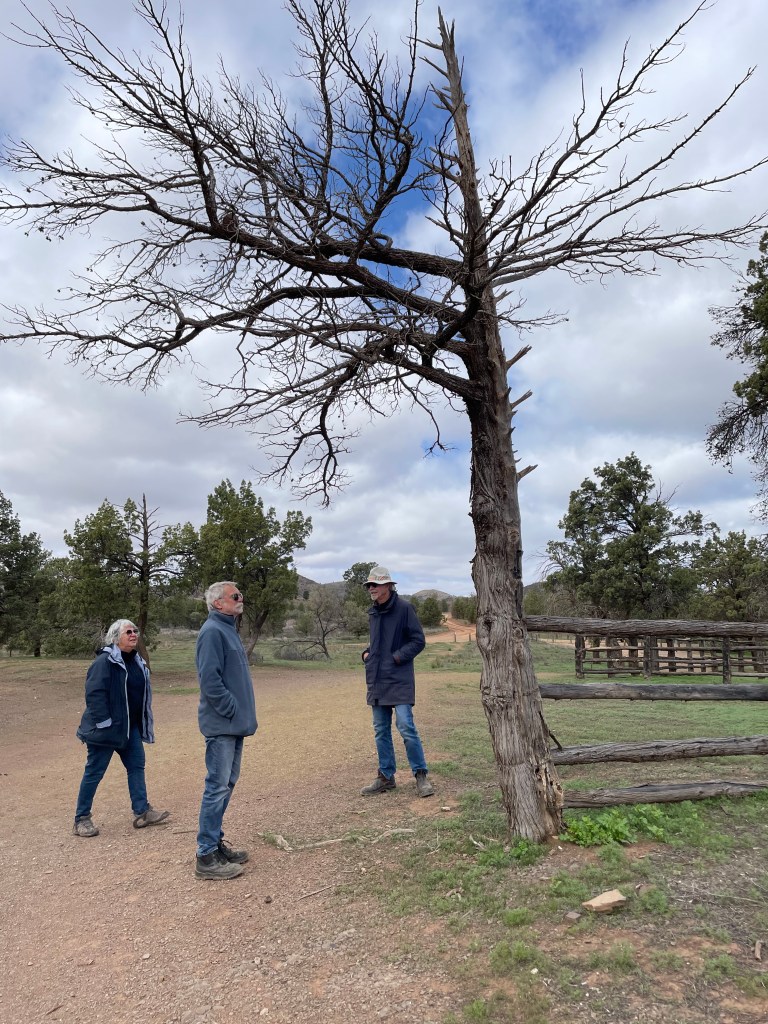
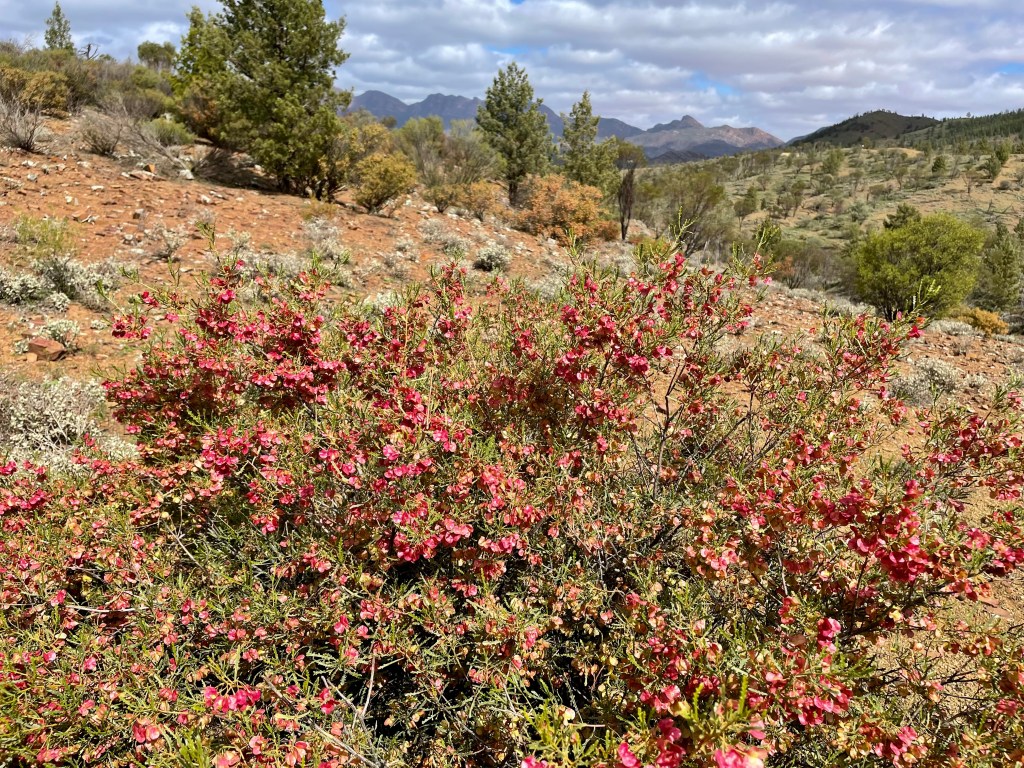
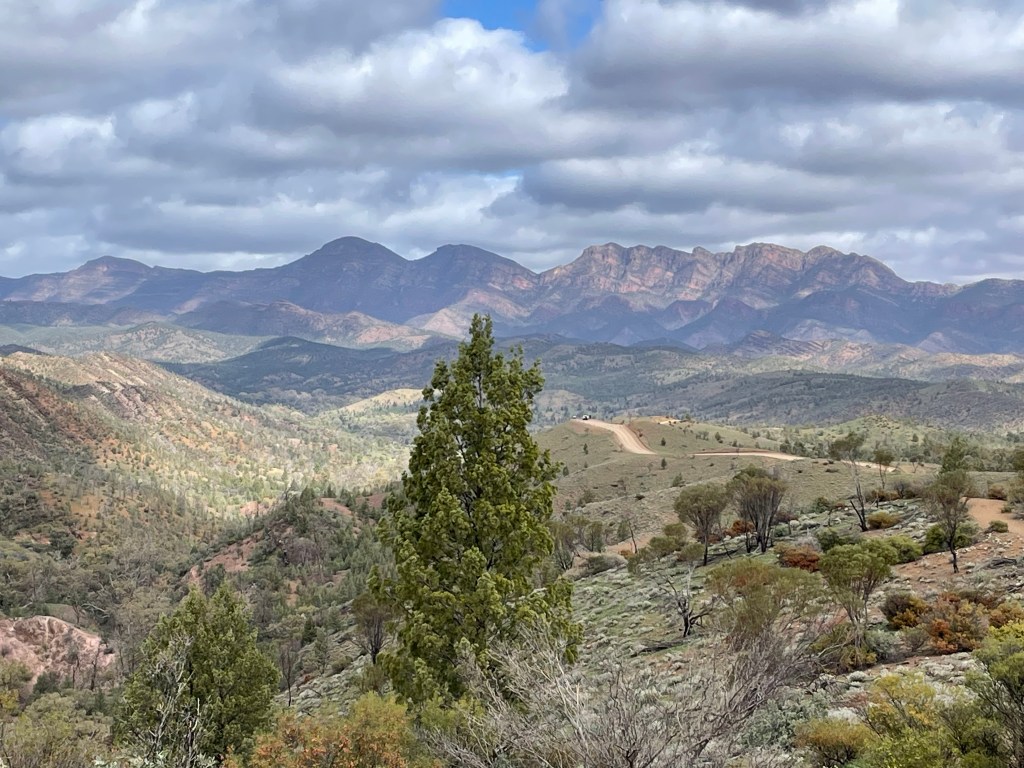
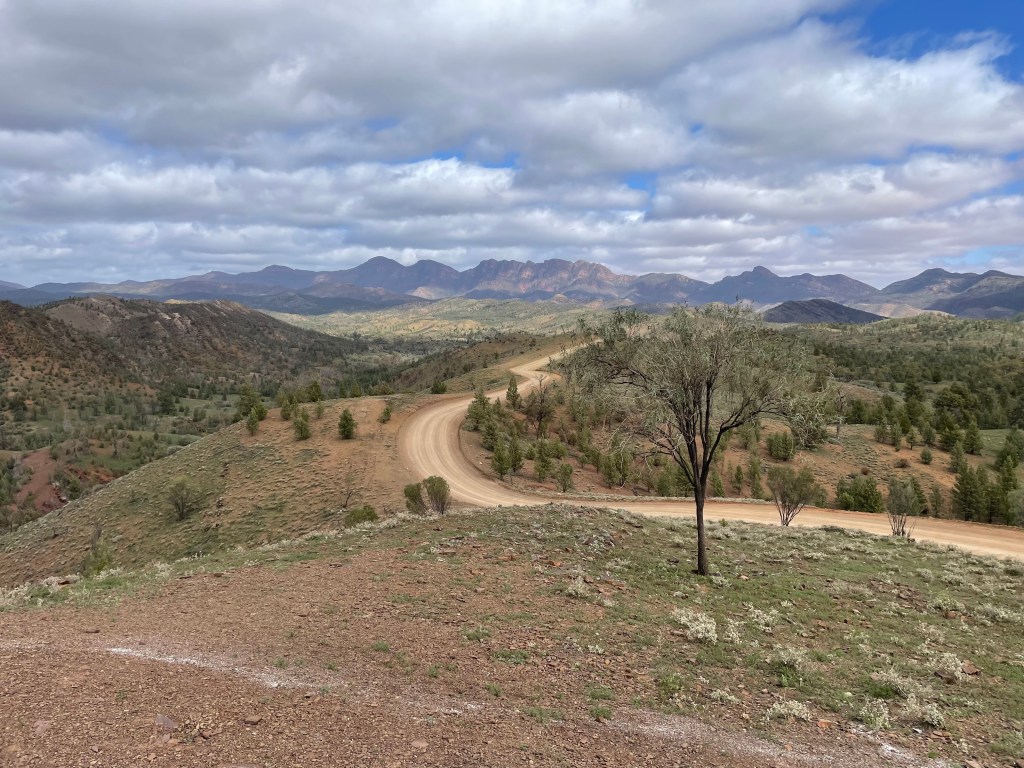
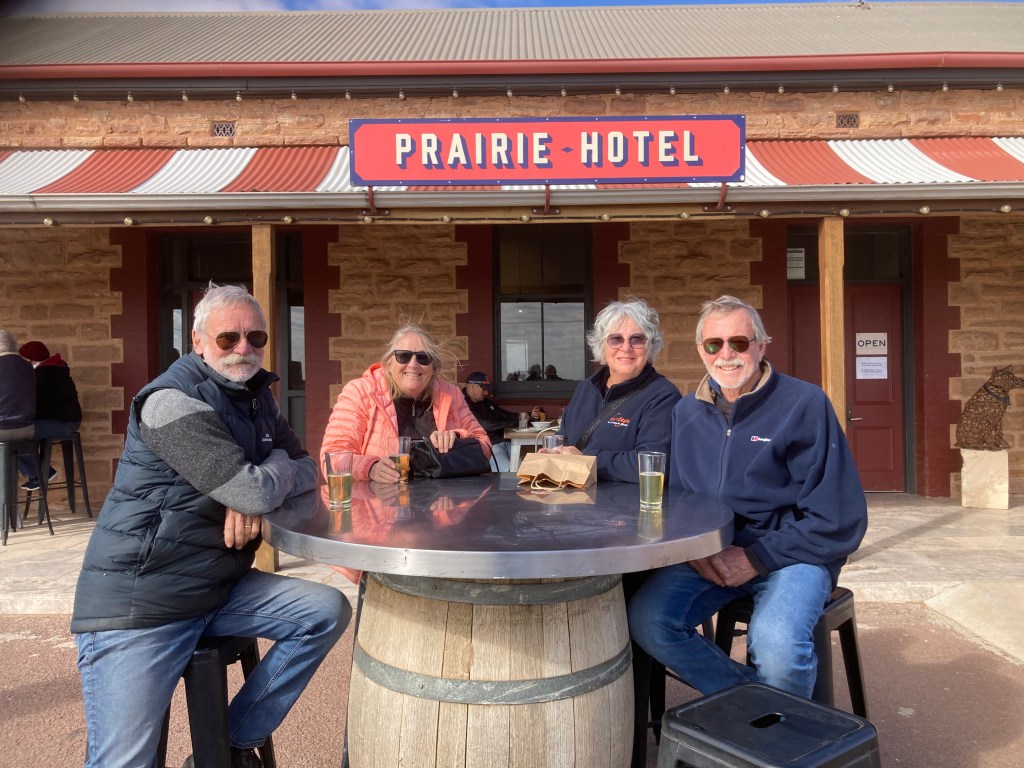
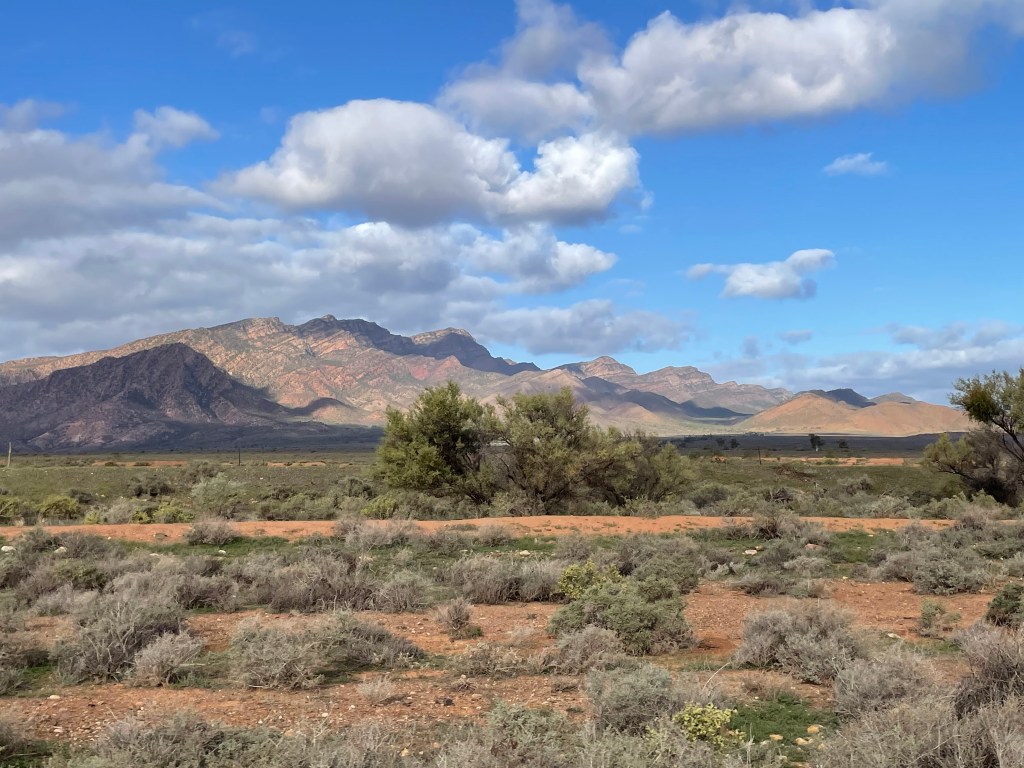
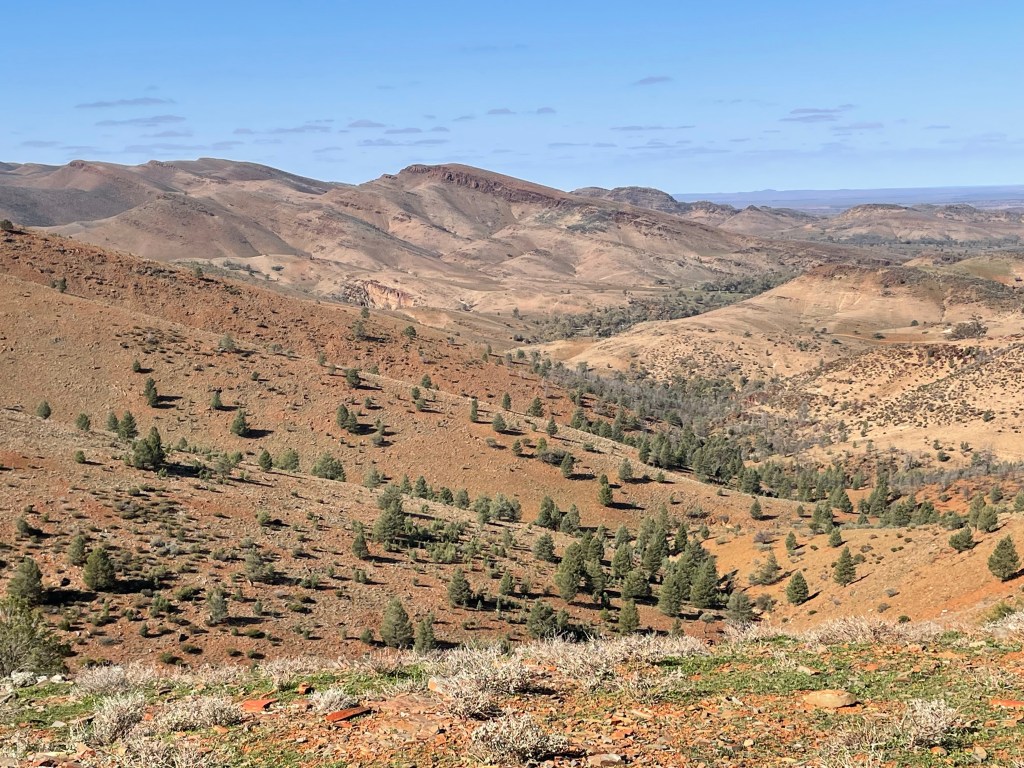
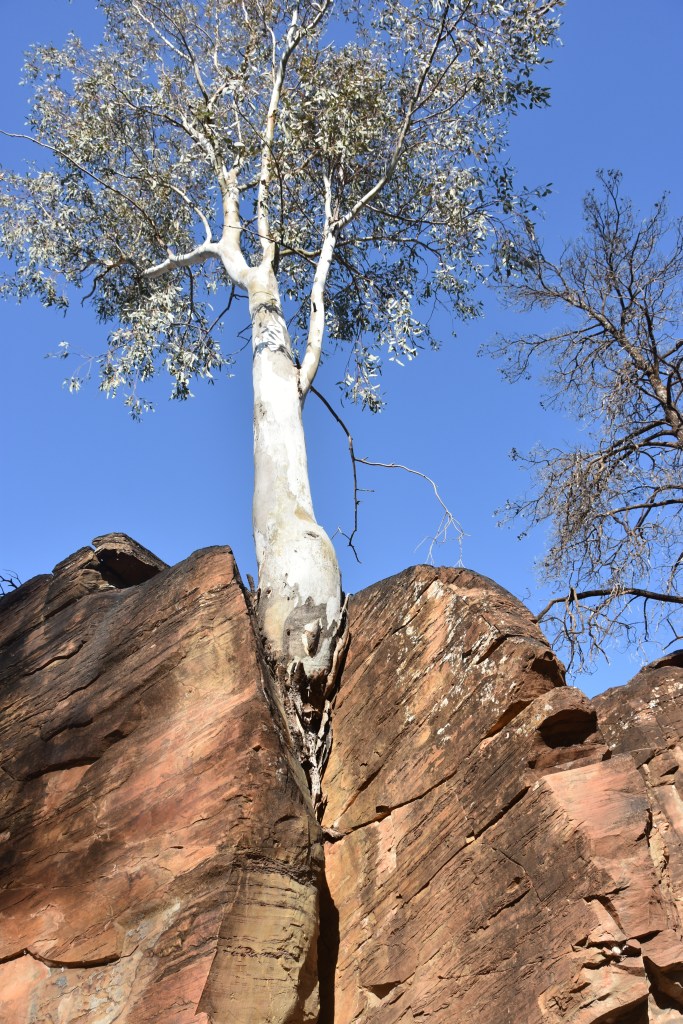
    We took a few hours driving around the spectacular Ranges. We took the Bunyeroo Gorge track and the Brachina Gorge track. The vistas over layered mountains with multicoloured hues, misty distances with dirt roads winding through, were an artist’s dream. I can see why Hans Heysen hung around the gorges painting such beautiful scenes. The red rocky gorges with the massive red gums capture the essence of outback Australia. How can such enormous trees live without water? How can they grow out of rock crevices? We went to Parachilna pub for a beer. I was impressed with the artwork adorning the pub walls. There’s quite a sophistication at this remote pub, it does cater for all sorts of visitors. We drove home along the Moralana Scenic Route.

    View from the Outback Highway.

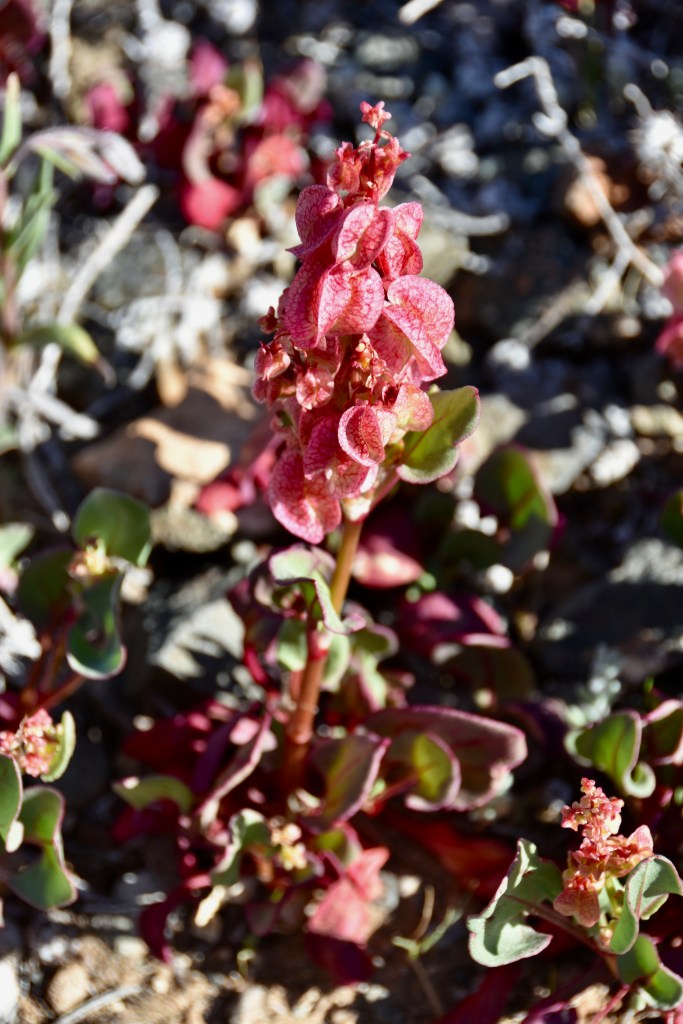
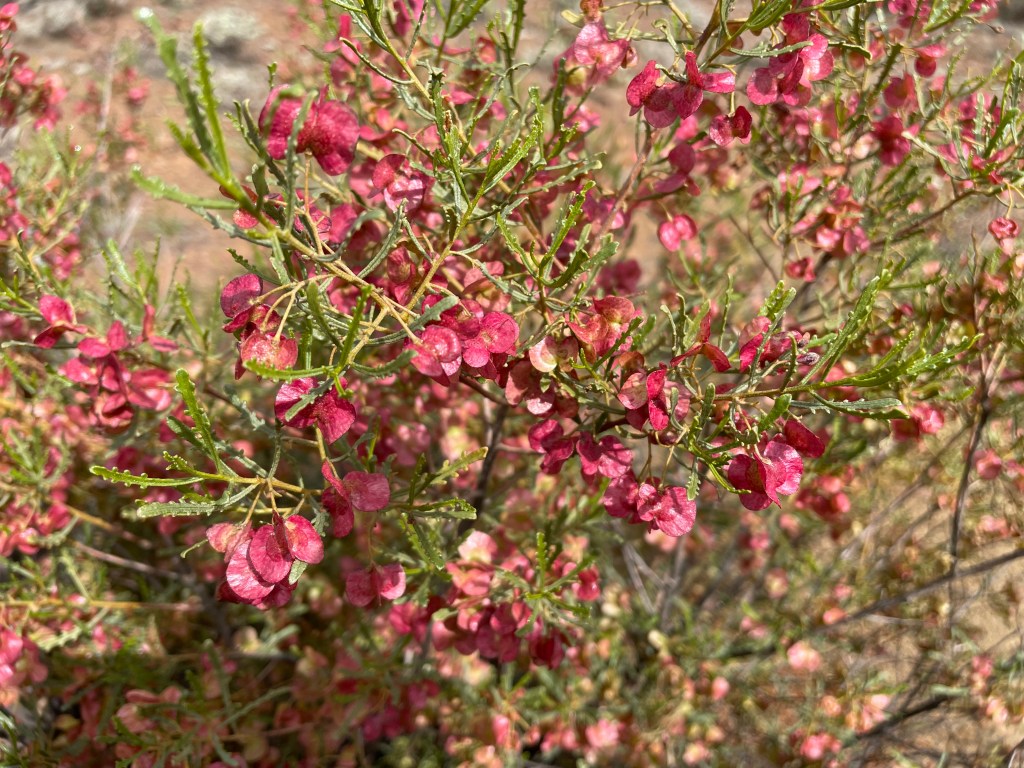
    Greeness is everywhere, there is a sense that this is rich pastoral country. That’s a false assumption, most of the green plants are weeds. I see all the beautiful reds and oranges of the rocks amongst my photos and get a shock when I see a green picture, and yet that is the norm not the exception.

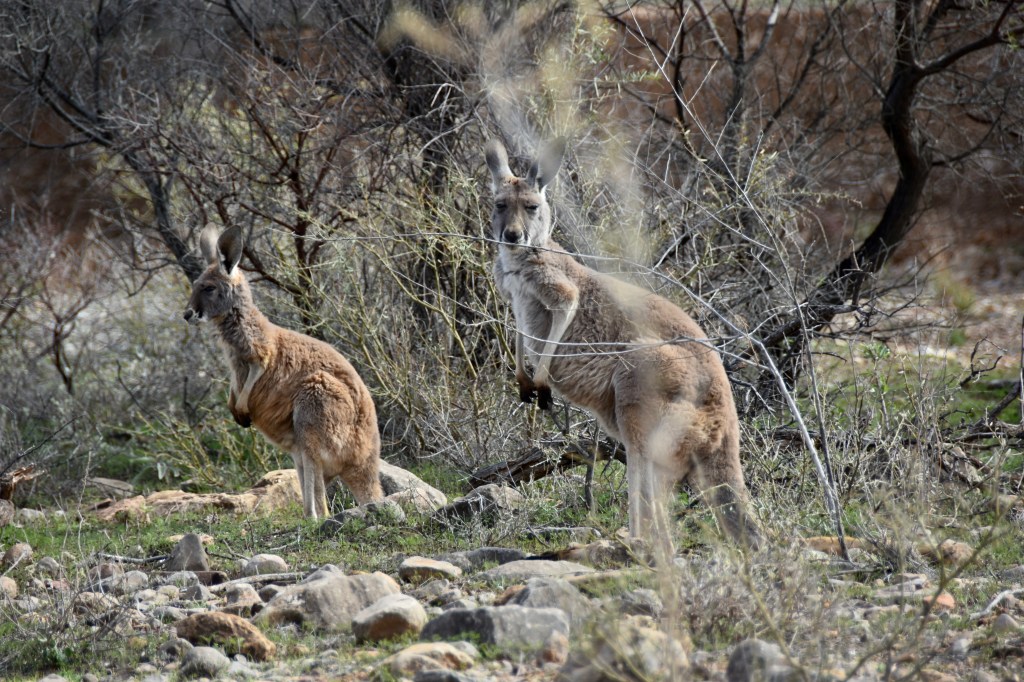
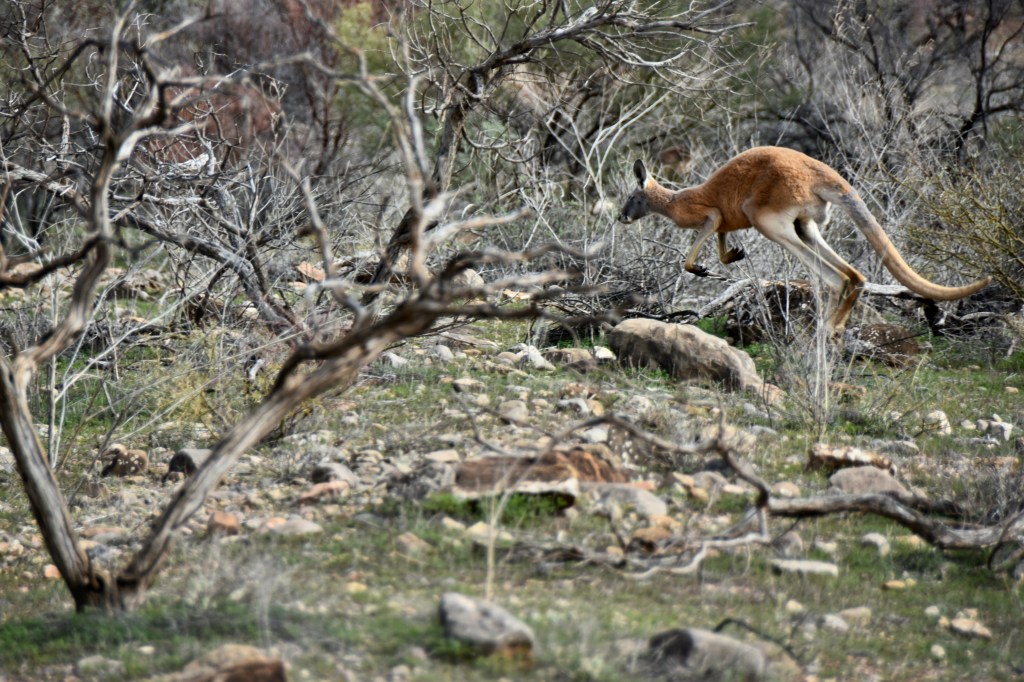
    Gorgeous red kangaroo.

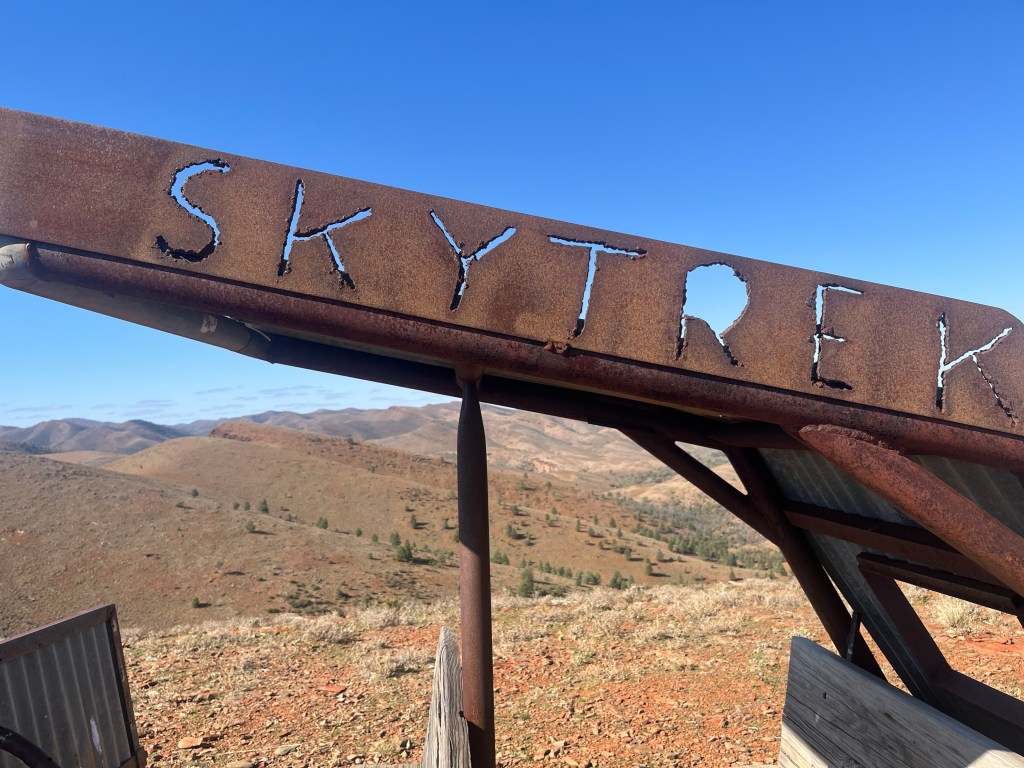
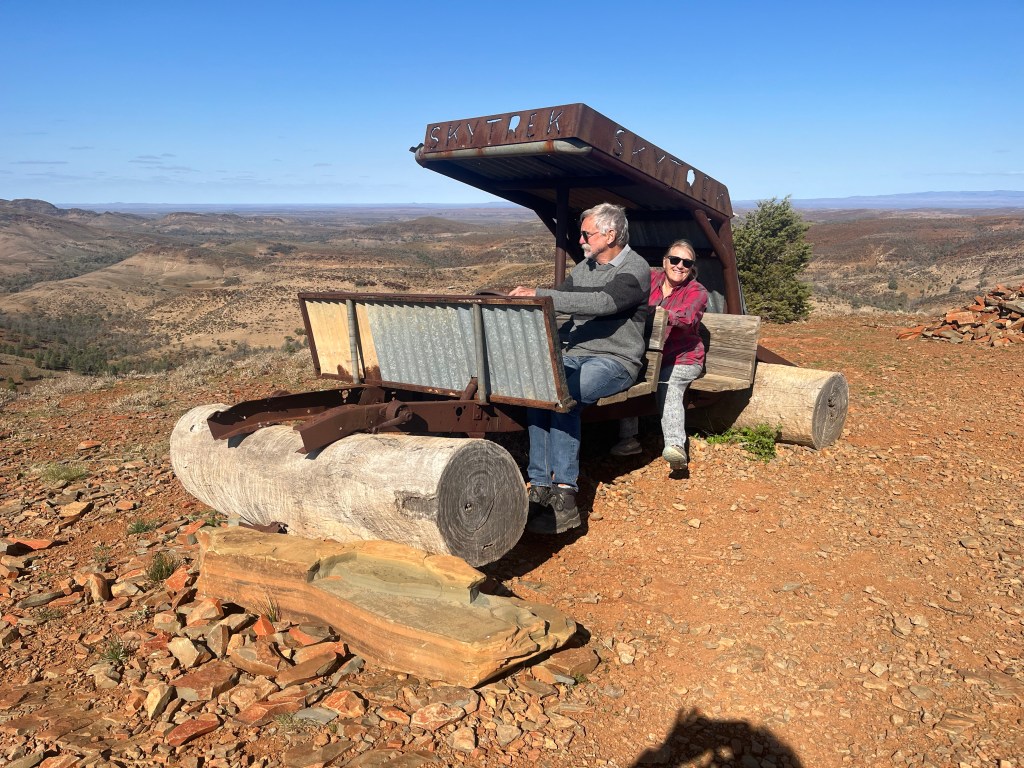
    The next day was the BIG one. Still at Willow Springs, we take the Skytrek self guided tour over the valleys and mountains of the station. Paying our $75 fee, we get some very comprehensive notes and a key to the locked gate.

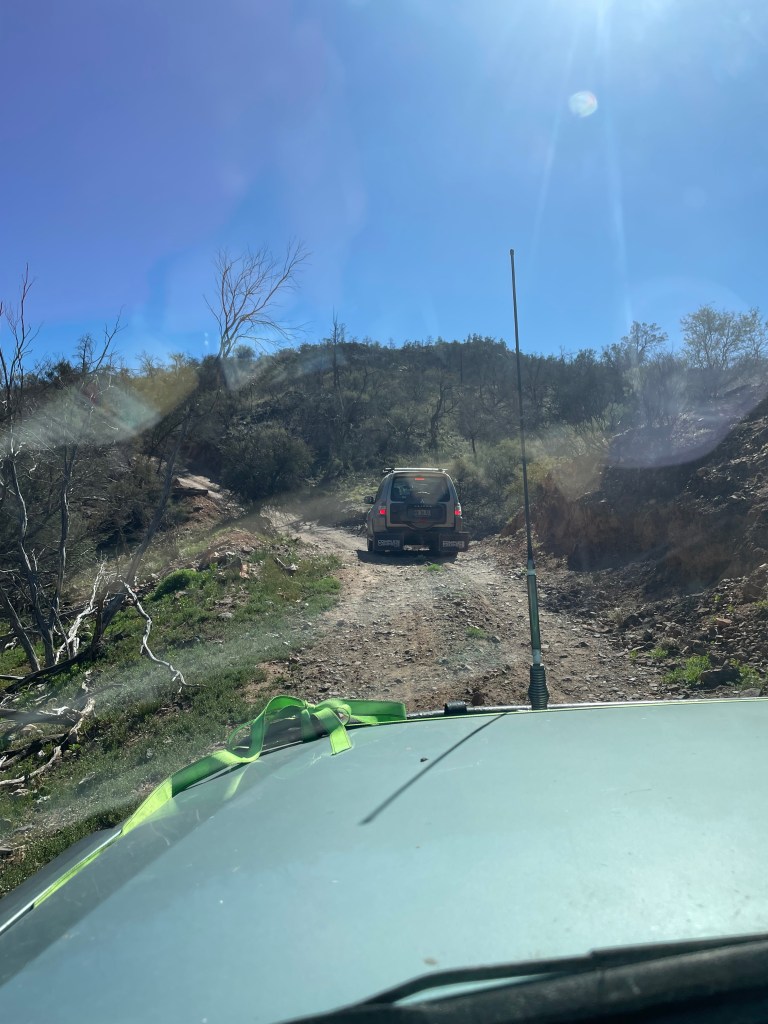
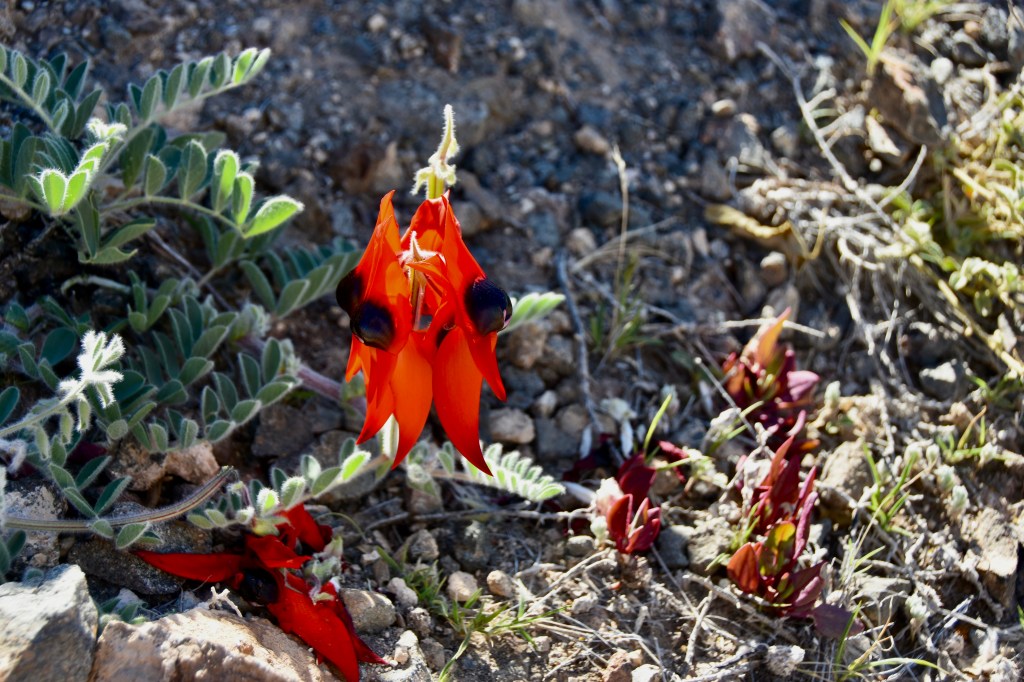
    We left at 8.30am. 8 hours later we returned from the 80km circuit. The first third of the day was amazing, many interesting places to see, history to discover, plants to learn about, wildflowers to find. The last third after the locked gate was when the instructions said, “engage 4WD”. We thought we’d done a lot of rough track, but now we were doing probably the hardest track we’ve ever ever done and it was relentless. Long steep upward gradients on a slippery gravelly surface to a high point, with a stunning vista, then long very steep downward slope over the edge before another steep climb reared up in front of us. The track had sharp rocks, boulders, deep holes, slippery slates, never ending. I was expecting to have whiplash by the end. But the scenery around us was breathtaking, the trip was worth it in the end. On the last highest hill on the property, there was a guest book you could sign and leave a comment. Nick read one out to me, it simply said “terrifying”. So enjoy the pictures, they were hard to come by.

    Lunch stop under the giant red gums.

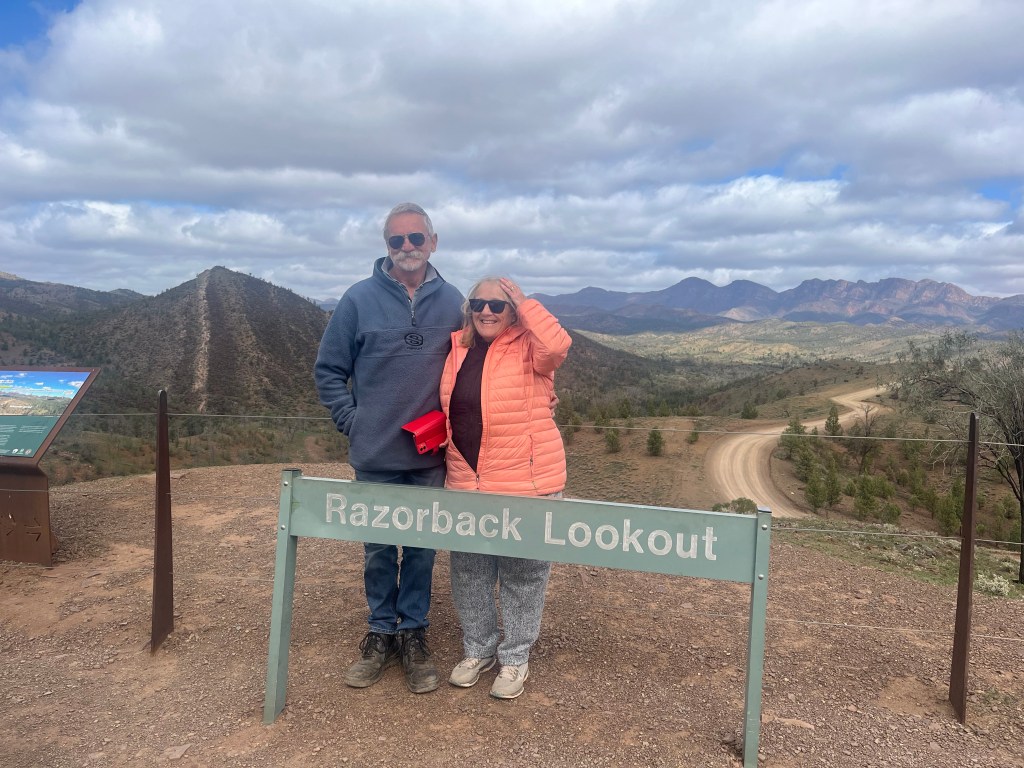
    Next day we moved to Rawnsley Springs Station, instead of Wilpena Pound campground as we’d planned. Excellent move to come here. We had the best campsite, on a high spot looking out at the rocky escarpment of Wilpena Pound. The sunsets were brilliant. Great amenities, a campfire at night, even a takeaway pizza on our second night.

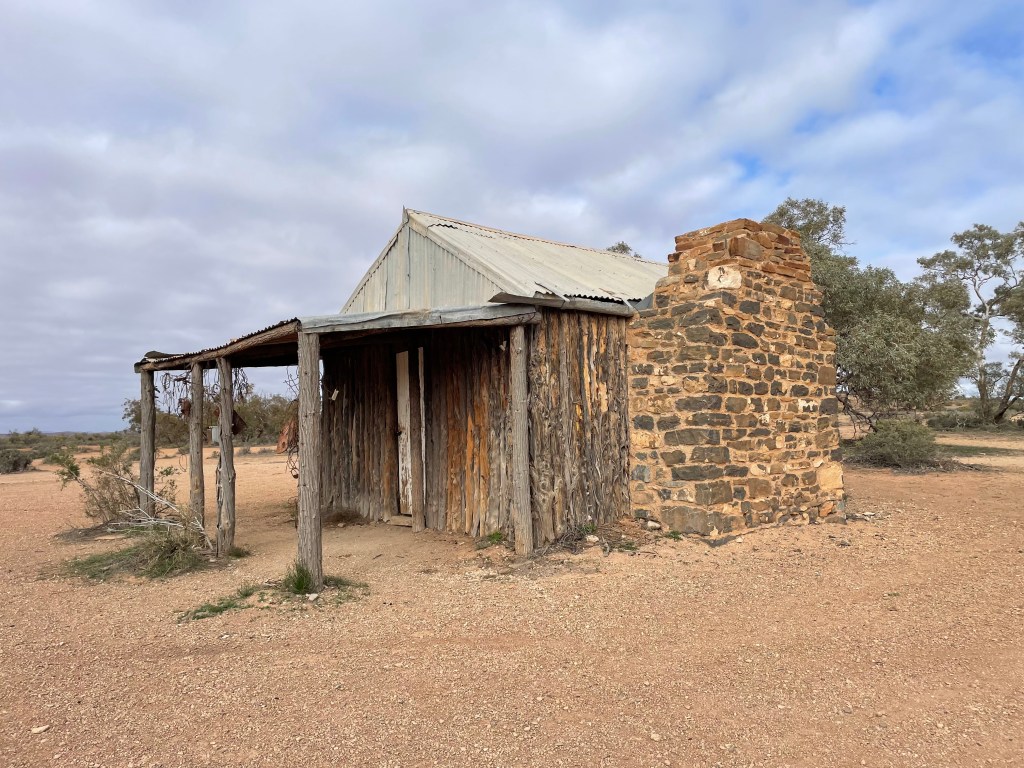
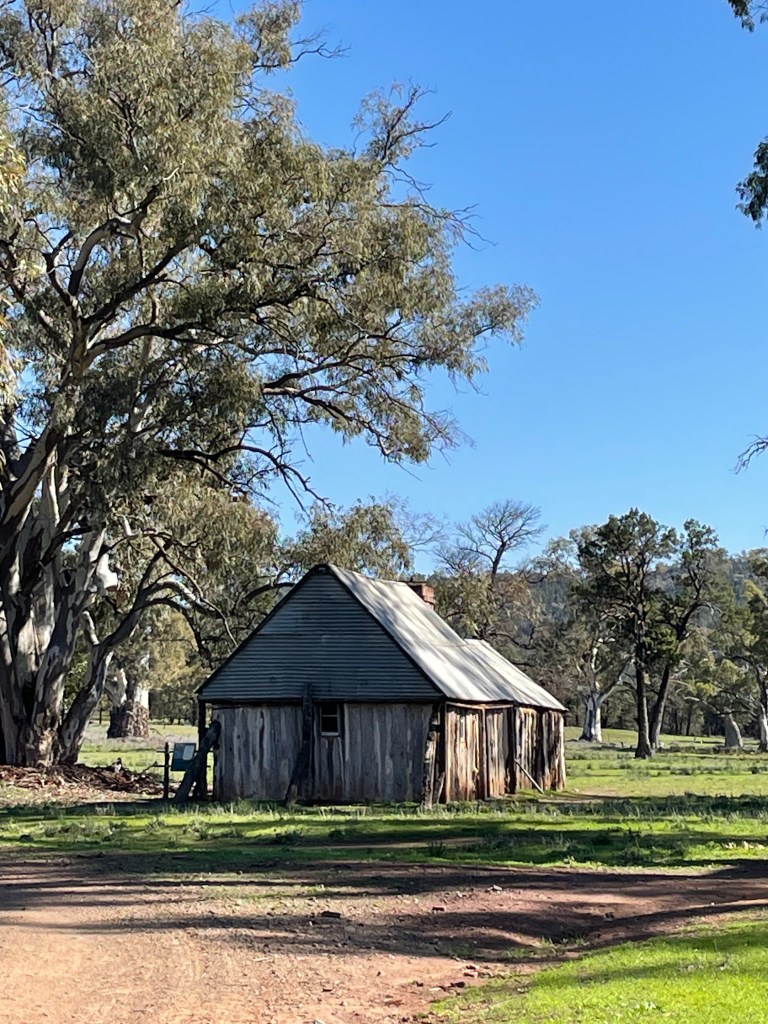
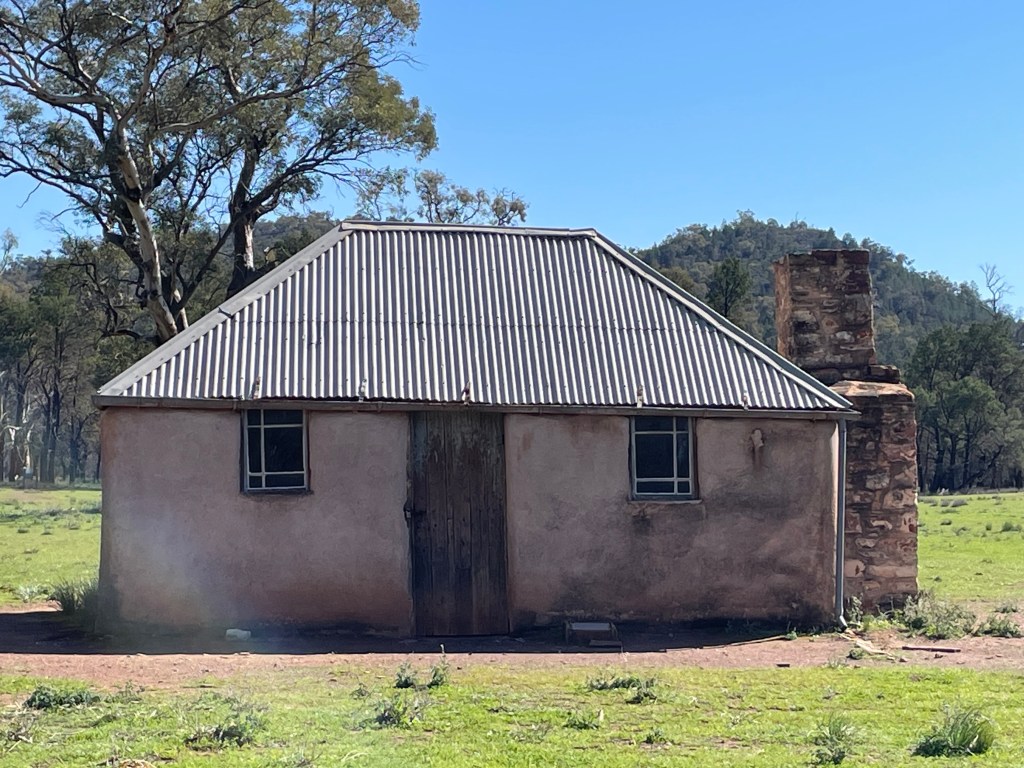
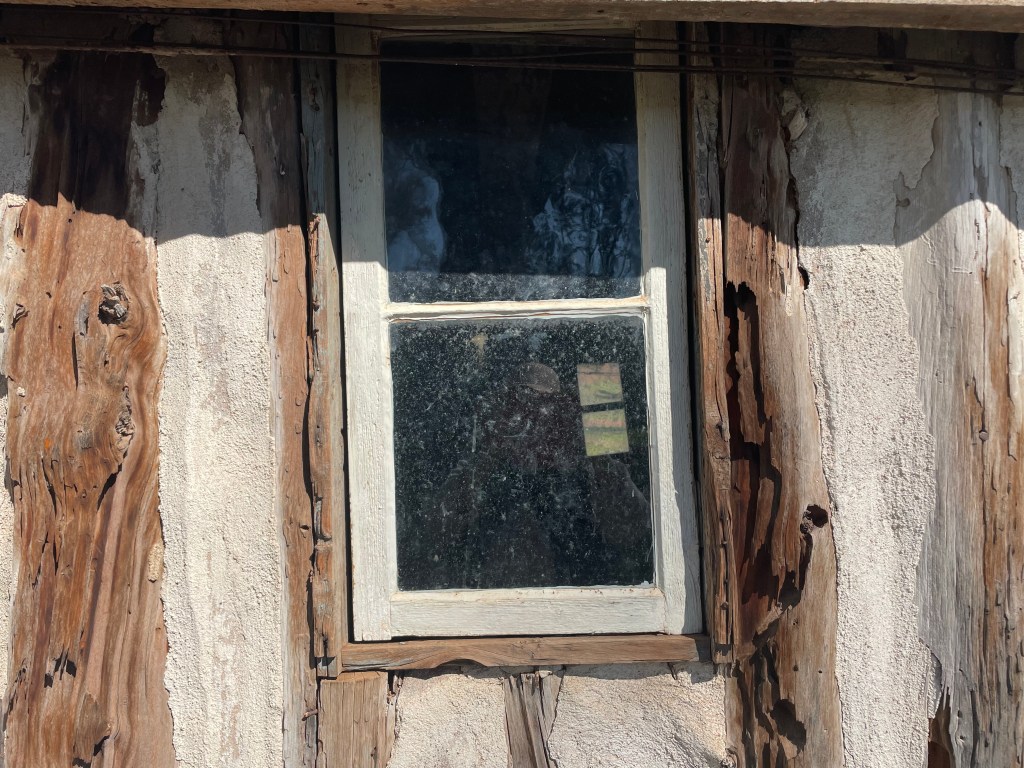
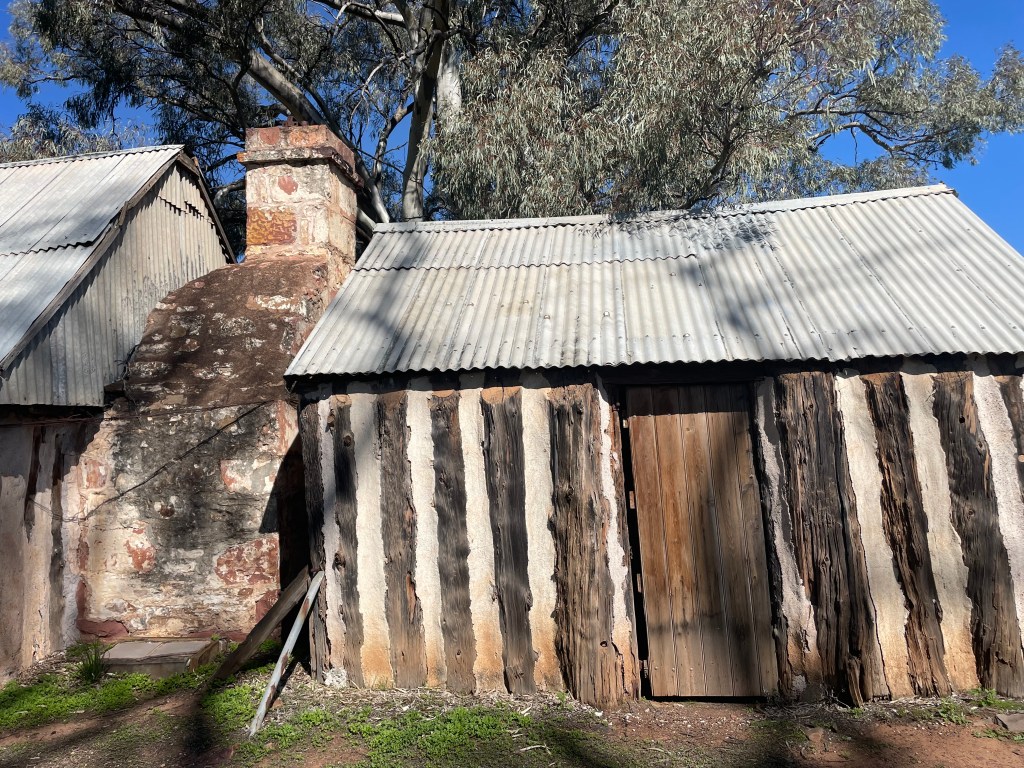
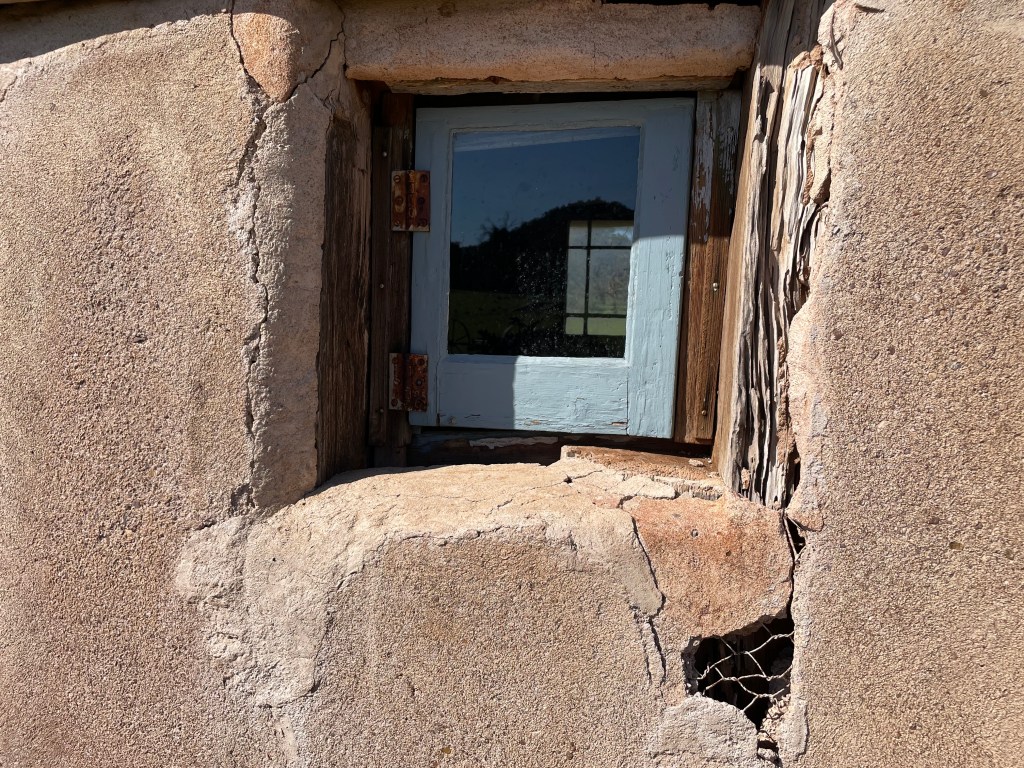
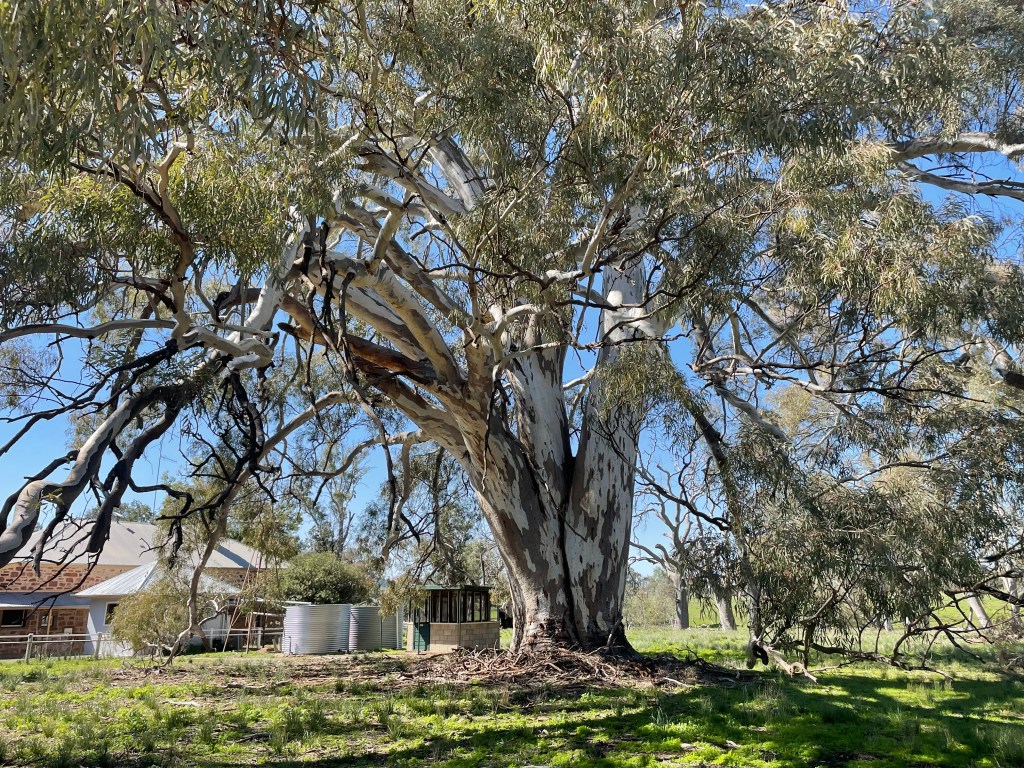
    We did a day trip to Wilpena just a short distance from Rawnsley Springs. The stop at the old homestead was delightful. The wattle and daub house was the best preserved we’ve ever seen and the red gum in the front garden was sooo big, it was magnificent.

    We drove on to Wilpena Pound store, had lunch there and looked about. If you’re not able to do the walks, you can’t actually explore the Pound properly, although there was a shuttle bus we could have taken, which still involved walking at the end….one of us was a little incapacitated. Fortunately we had all been to the lookout at the Pound on another occasion.

    Next came the last part of our trip. The long 1,935km to Lennox Head will be slowly paced to take advantage of this outback region. We started early with a coffee at the very good cafe in Hawker. Between Hawker and Broken Hill is endless open landscape, flushed with green but very few trees.
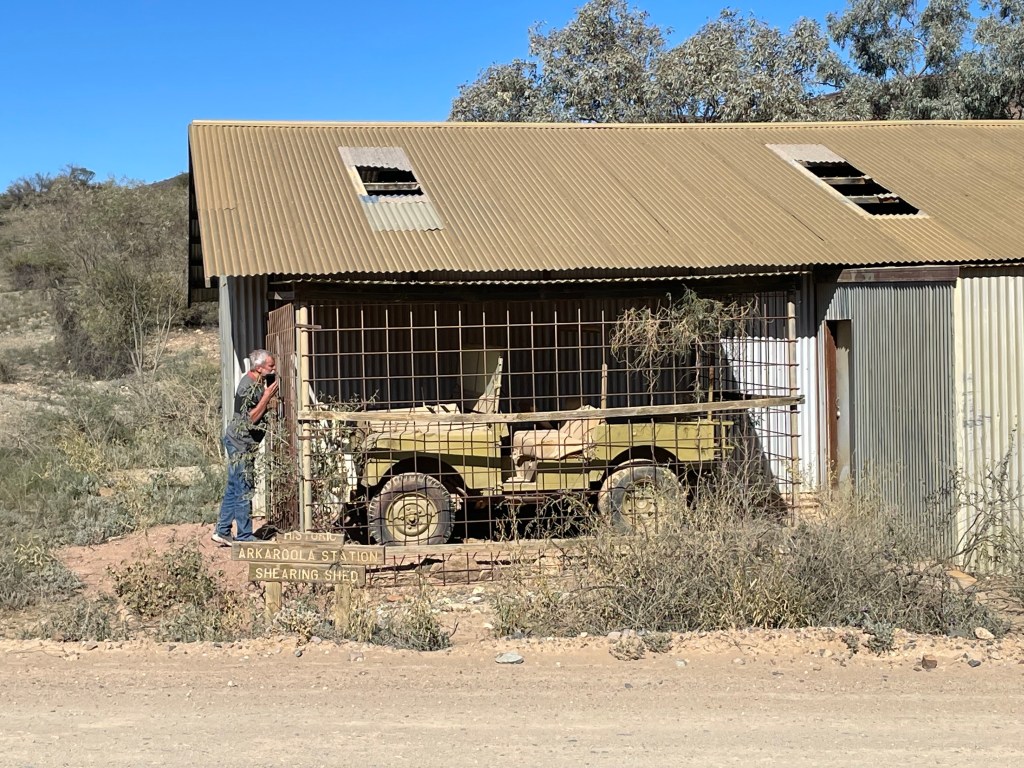
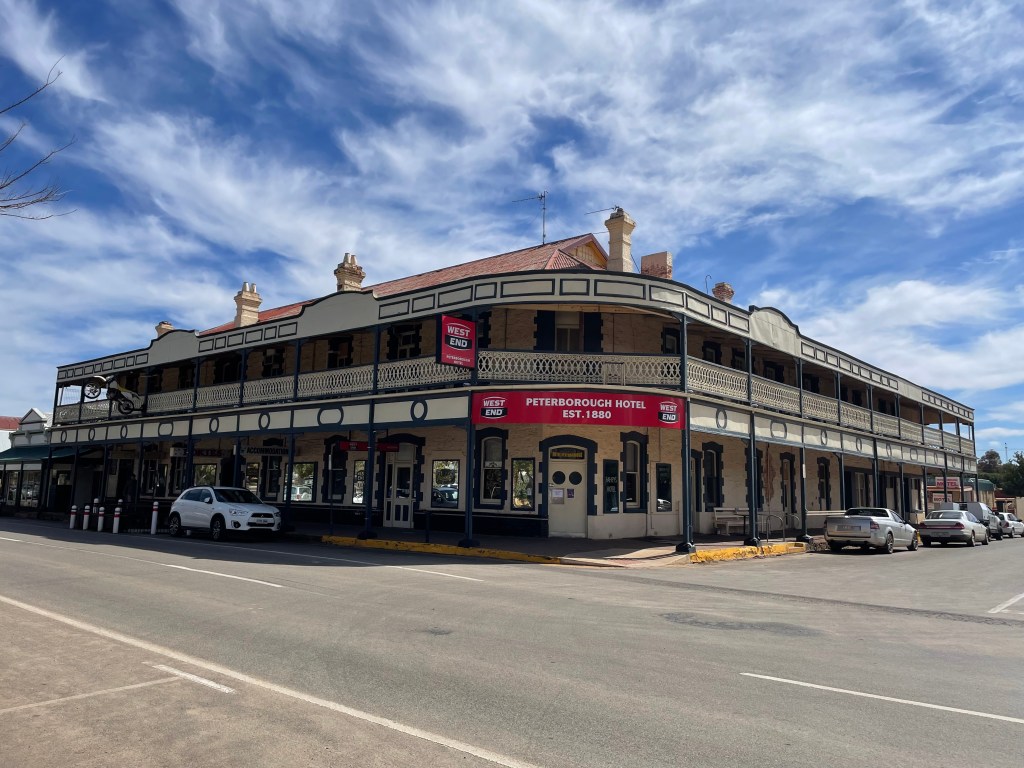
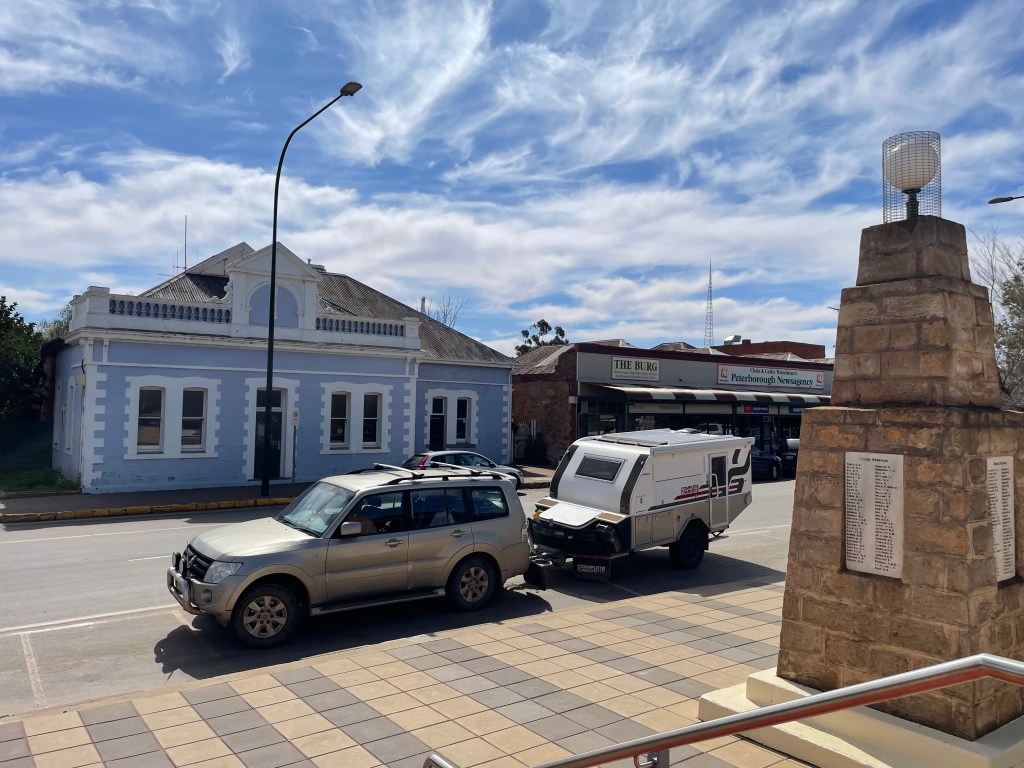
    Peterborough was quite a bustling town. This is wheat country with a still active train service passing through twice a day. The wide main street has grand architecture with 4 pubs and numerous smaller shops and houses dating back to the late 1800’s. After lunch here, we continued to Broken Hill, where we found a delightful “resort” at Mt Gipps. Here there was a large restaurant which could cater for events, but it also serves dinner and lunch every day. We were tucked up in the unpowered sites on a flat grassy bank. The shower facilities were second to none, although a bit of a hike to get to. The night was warm and calm.

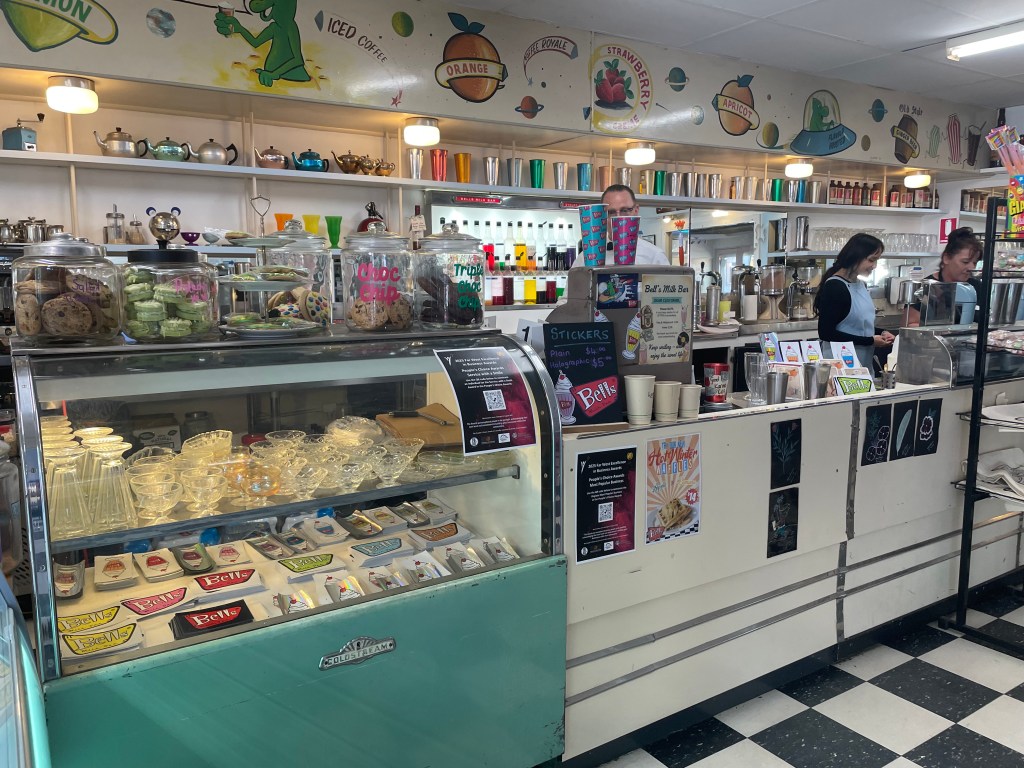
    We spent a relaxed day in Broken Hill, a place that holds memories from a previous trip when we were stuck there with a hole in the petrol tank that needed repairing. This time we re-visited a favourite cafe, Silly Goat, the Regional Art Gallery which is fabulous, and the Memorial to the miners of BHP. Lunch at the retro cafe, Bells, plus a visit to a smaller gallery, and we’d done Broken Hill as best we could in one day.

    Next day, the plan was to get to Nyngan for the night. This is a 580km trip on mostly dead straight roads with not much to see except millions of goats, denuding the landscape…. such a pity to witness this. Many roadkill kangaroos, all in all, a sad scene.

    Flat open country with green grass, after Broken Hill.

    Wilcana park was a fair place to stop for a break. The Darling River was high and flowing unlike last time when we passed through here and it was dry. We pressed on to Cobar for lunch in a cafe we knew from a previous visit. Stocked up with food and drinks for the night, I took over driving for the last 130kms.

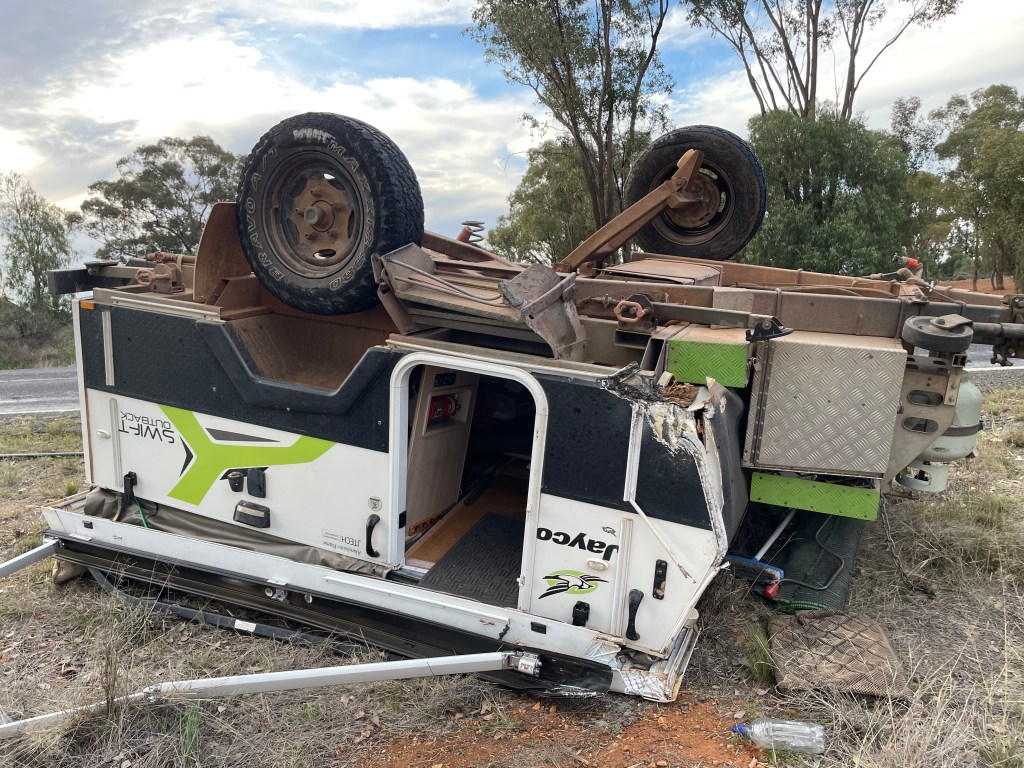
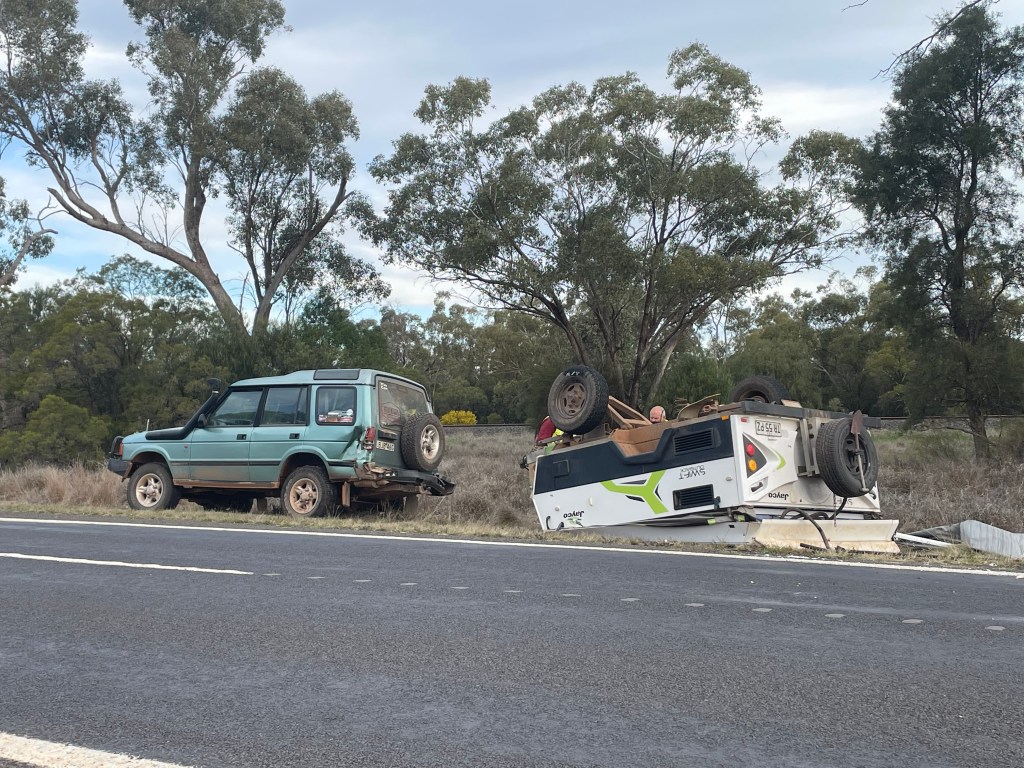
    5 kms from Nyngan, I over-corrected when I was heading into the gravel on the left, causing the caravan to fish-tail. I was doing 100kmh at the time. It’s a strange sensation losing control. I thought “how am I going to stop this!” Then clunk, the van had tipped over onto its roof. This slowed down and ultimately stopped the car. I was facing the on-coming traffic in the right hand side, but only the back of the van was on the road. A man in an on-coming small truck who saw it all happening stopped to assist. He was a local and called the tip truck driver. Within an hour we were in a cabin in Nyngan caravan park, poor Swifty had gone to caravan heaven in a paddock with other wrecks and some lovely horses nearby for company. Next day we salvaged what we could from inside, mostly the food in the cupboards. The fridge contents were slathered with yoghurt. The tomato sauce bottle squirted it’s contents making it look like someone had been badly injured. My big regret was forgetting to get the gin, rum and coffee out….I’ll think of those as the sacraments to bless the van on its next journey wherever.

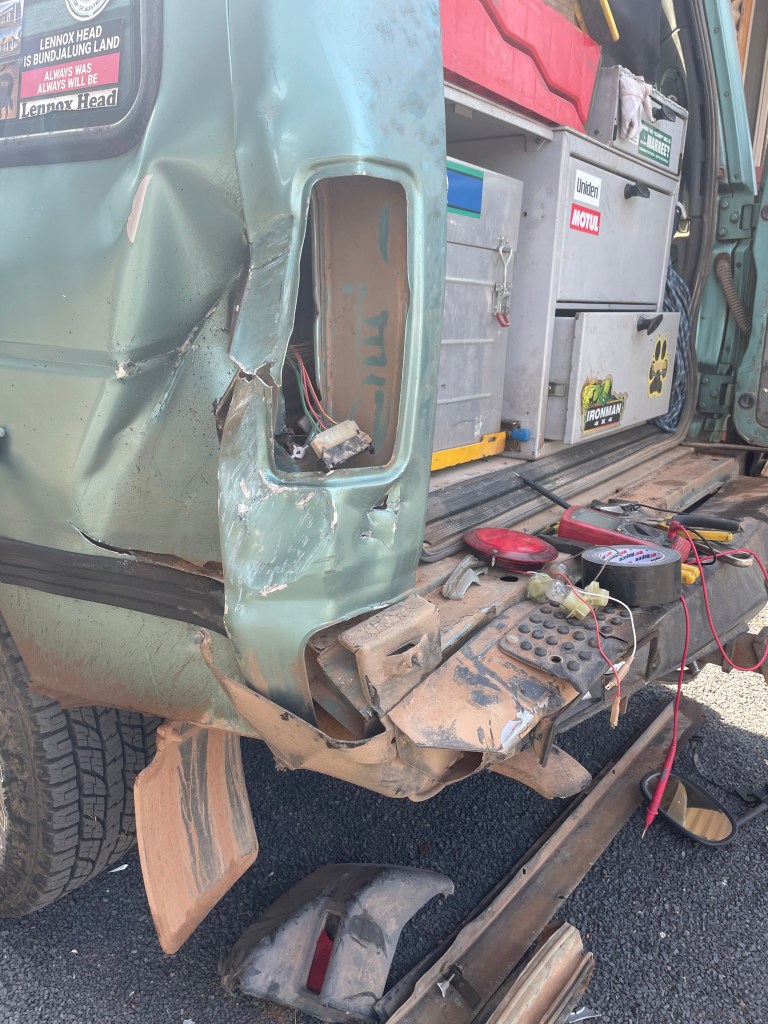
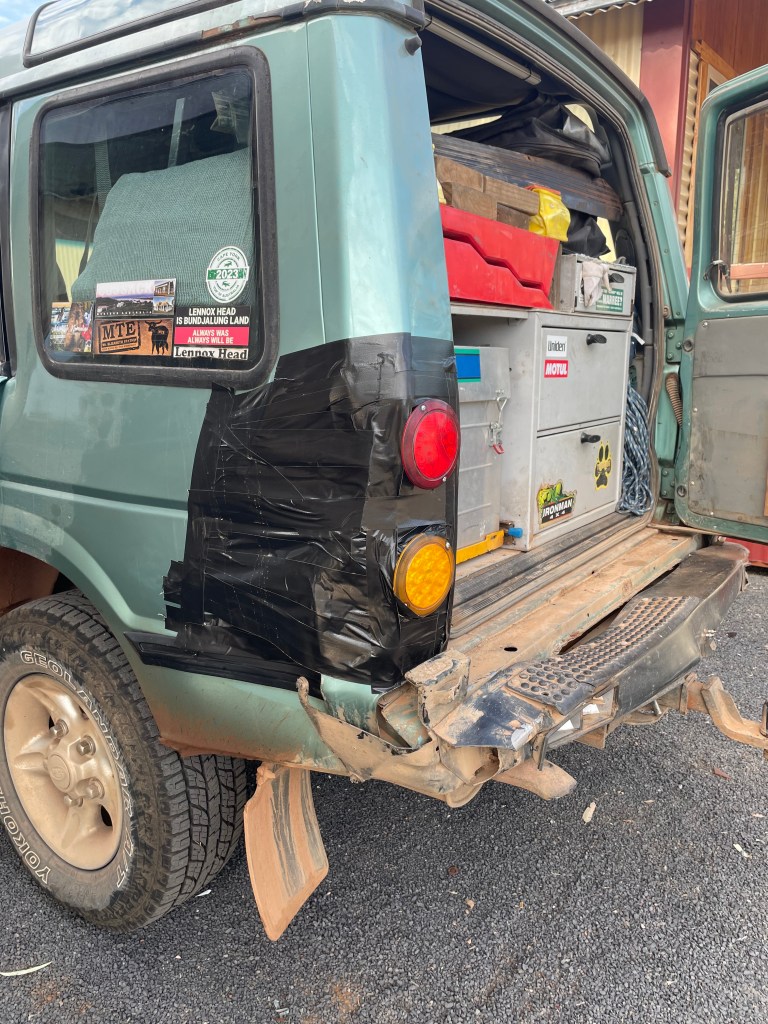
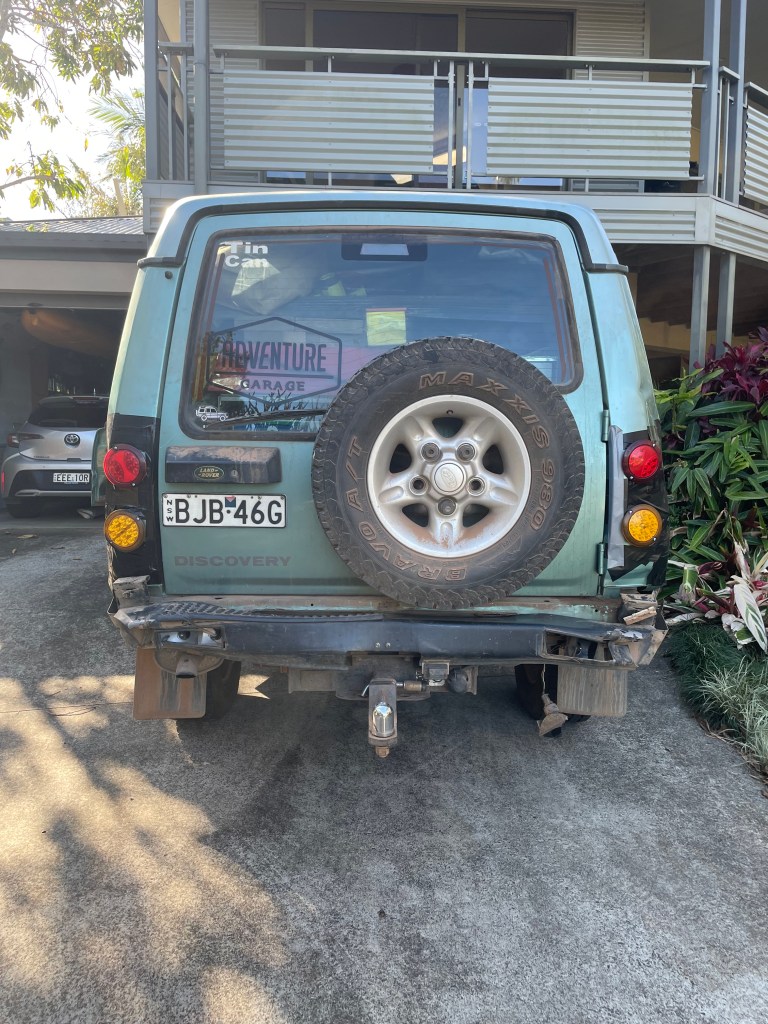
    My lesson from this is not to drive late in the afternoon. This was just the second time I had driven the car with the van on…in all our time travelling around Australia, I never drove. The blessing was the tow-hitch that could swivel 180 degrees without tipping the car. The damage to the car was not minor, the lights on the back were wrecked. The boys rigged up an amazing substitute set, using Swifty’s rear lights. This made the car roadworthy enough to drive home even though it looks odd.

    Home safe and sound, albeit a bit battered.

    From Nyngan to Tamworth to Lennox Head. The journey ends and probably our caravanning days could be over. We’ve had years of adventures with Swifty, it’s sad he’s so battered about but looking at the silver lining, we can begin afresh in different ways. We’ve thoroughly explored Australia, now it is time to see a few International destinations we’ve always wanted to visit. All in good time.

    This will be the very last blog. Thank you for taking the journey with us, it’s been thrilling, awesome and unforgettable. Our wonderful fellow travellers Andrew and Marilyn have saved us through thick and thin in so many ways, with mechanical help, meals, laughter and a great friendship, thank you. Neil & Erica, was a pity not to go the full distance with you this time, but what we did with you was so much fun, a little edgy at times, spectacular, hilarious and rich with memories.

    Jenny & Nick

    Setting off in style for new adventures without Swifty.