Dunedin, Temuka, Devauchelle, Kaikoura, Nelson.
I am travelling faster than I can write, or for that matter, remember. I’ve had to list the towns we’ve stayed at in sequence to help me write this blog.
Dunedin.
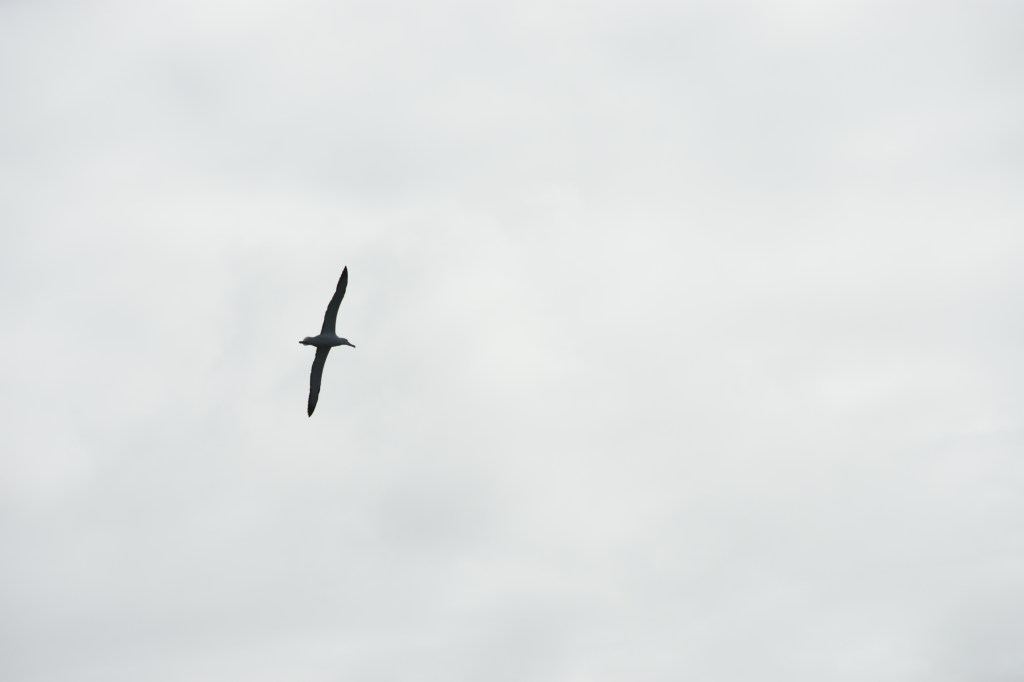
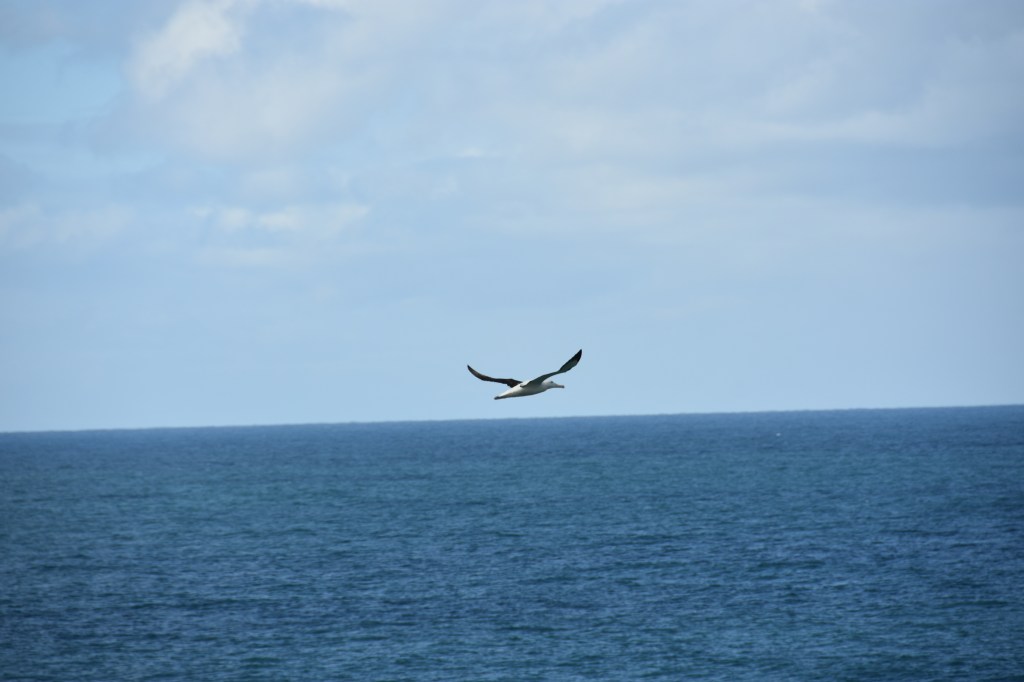
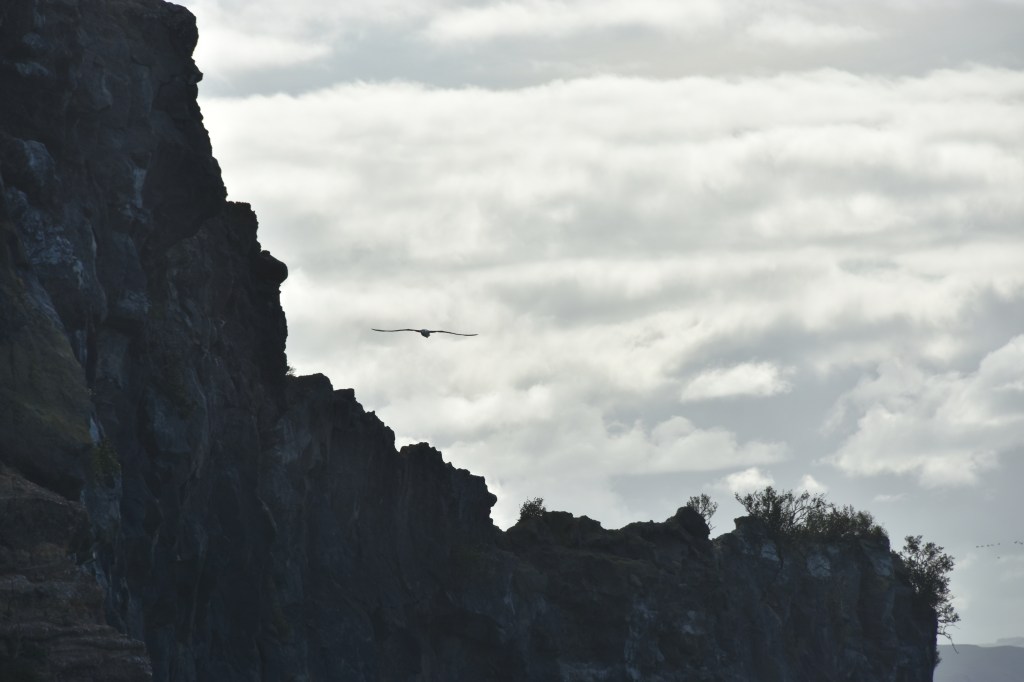
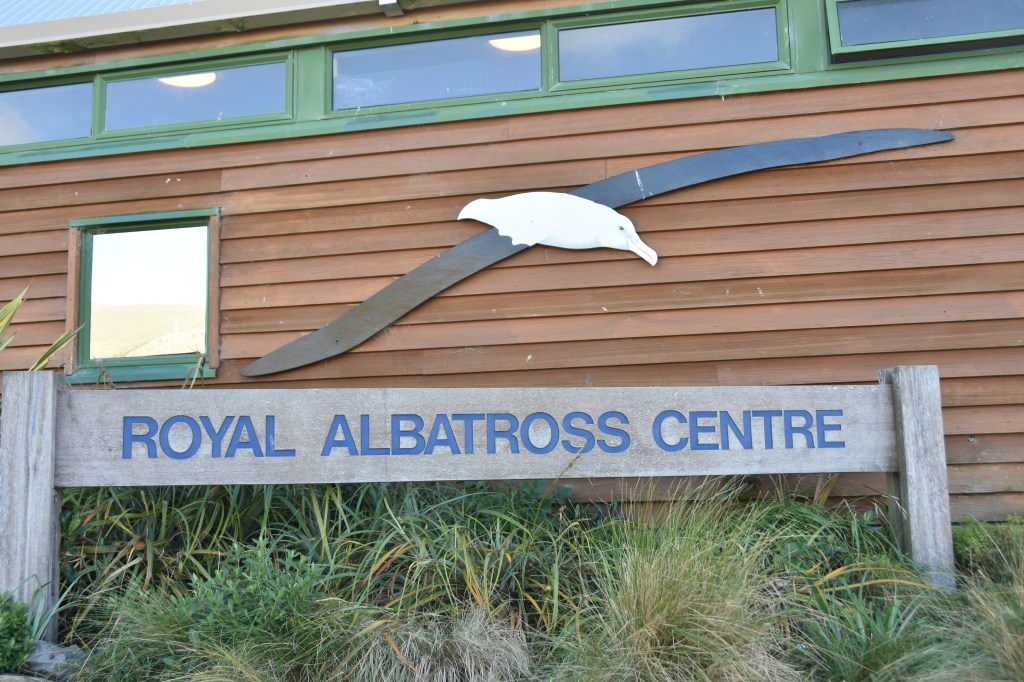
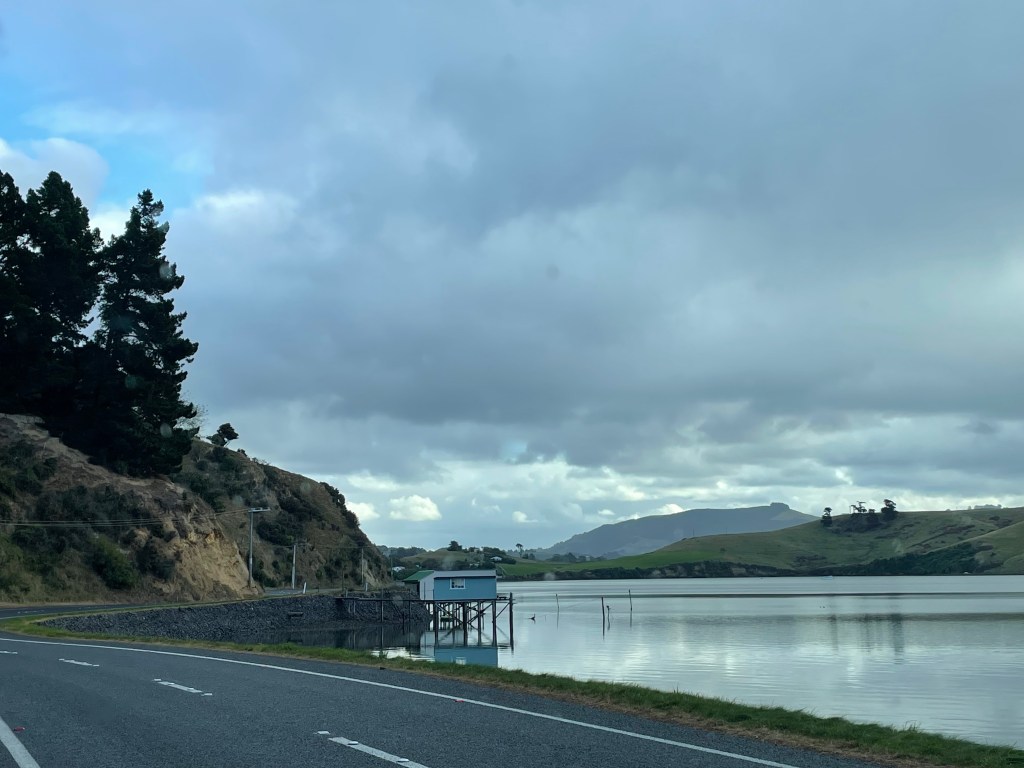
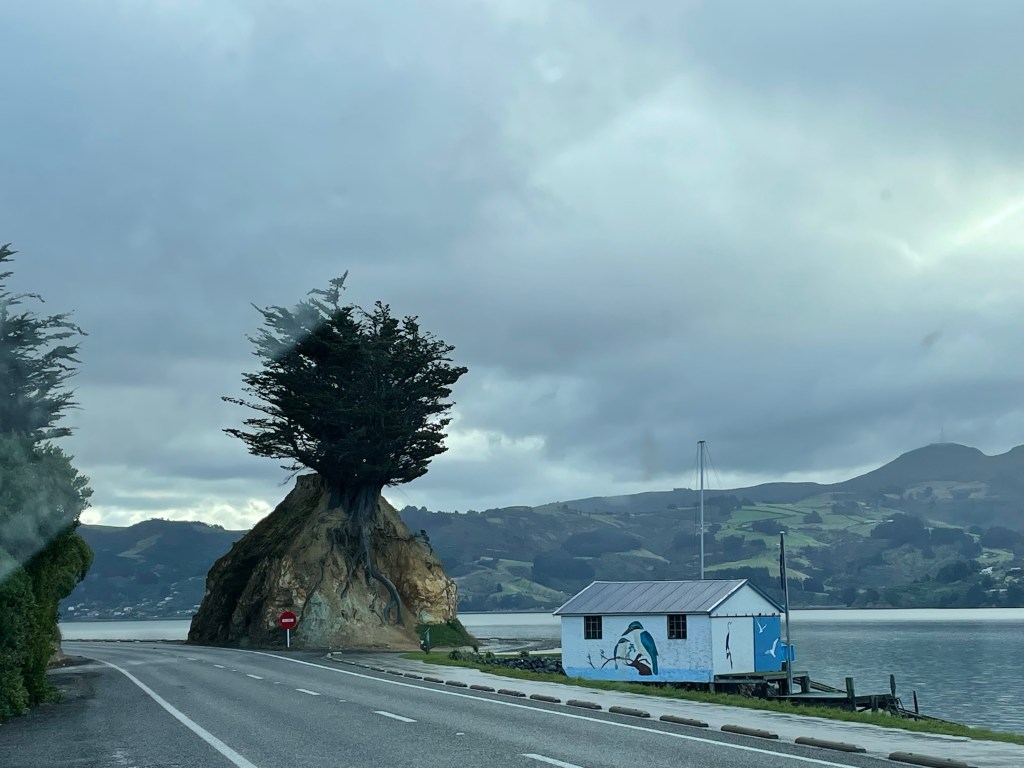
It was still bitterly cold and at times wet. We camped at a place called St Kilda beach. The campground was just behind the high sandy banks of the ocean beach but well protected. The kids were back at school, so it was pretty quiet. We headed to the Royal Albatross Centre at the end of the Pukekura-Taiaroa Head on the south side of the Otago Peninsula. I LOVE albatross, ever since school I’ve always wanted to see them in their own habitat. I have been lucky enough to see them twice already, but each time is like a new magic experience. This NZ location is the only mainland colony in the world where the Royal Albatross breed successfully. This is due to the tireless work of a few individuals over more than 50 years, who have tagged them, measured them, observed them, and ensured their survival from predators including humans. I take my hat off to them. The birds in flight above us were amazing. I would volunteer here if I lived in Dunedin. And I’d get a longer lens for my camera! The drive along the shore of Otago Harbour, past a quaint town called Portobello, was very picturesque especially because the weather was calm, the sea glassy smooth.
The next day we caught the local bus into Dunedin central. It was still freezing, the beanie and scarf were on as well as gloves! By the way, in the 1840’s the Scottish settlers called the town New Edinburgh, but the name was changed to Dunedin, which means Edinburgh in old Celtic language.
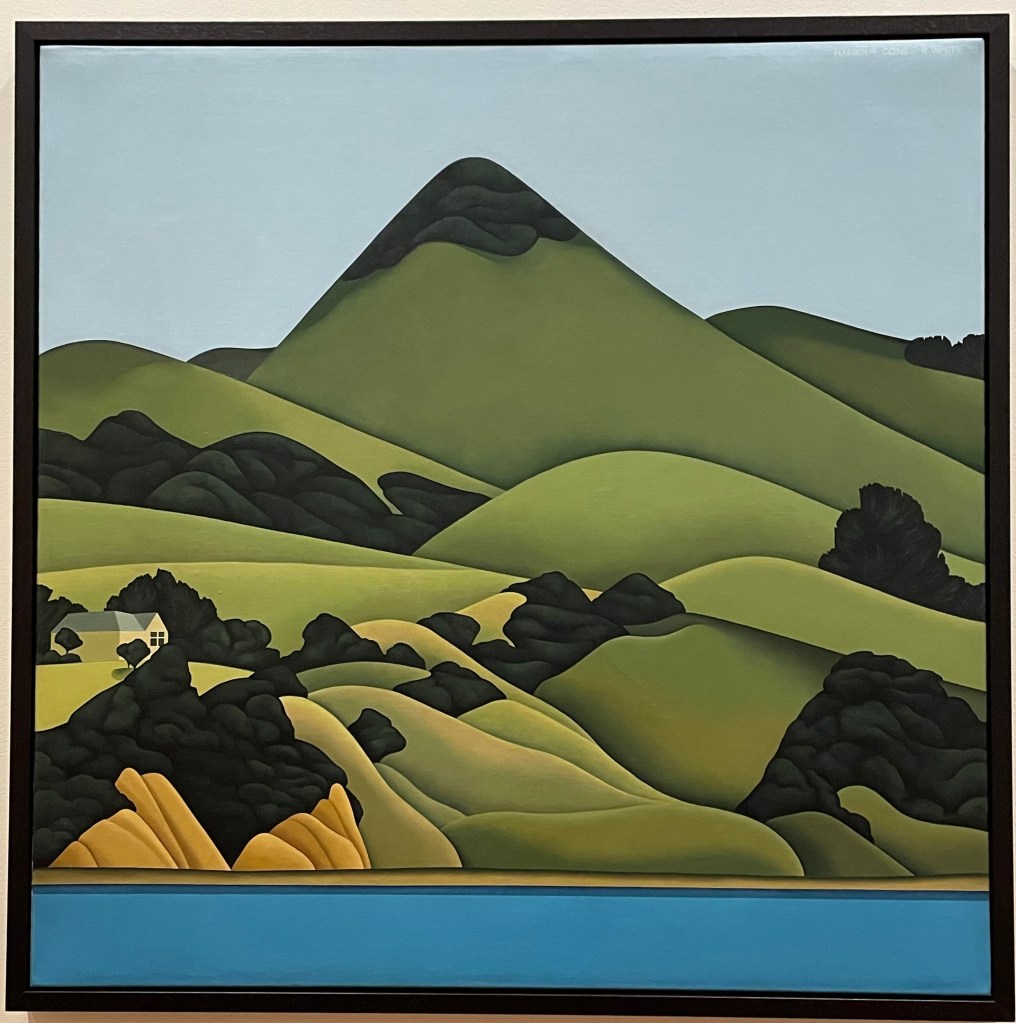
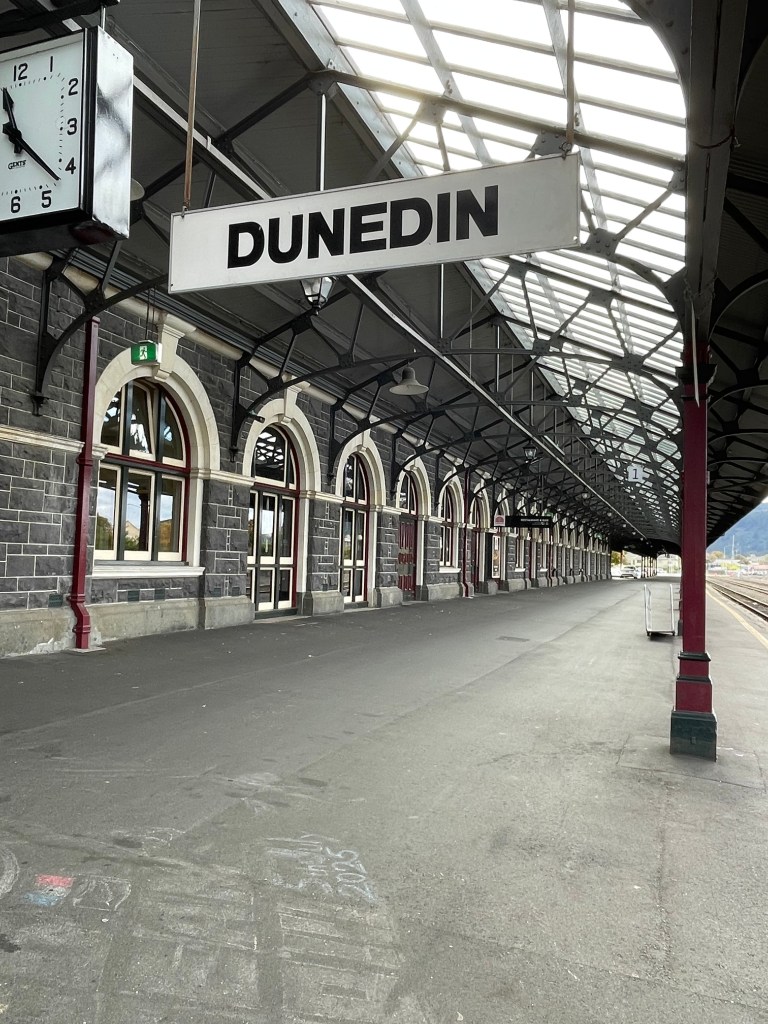
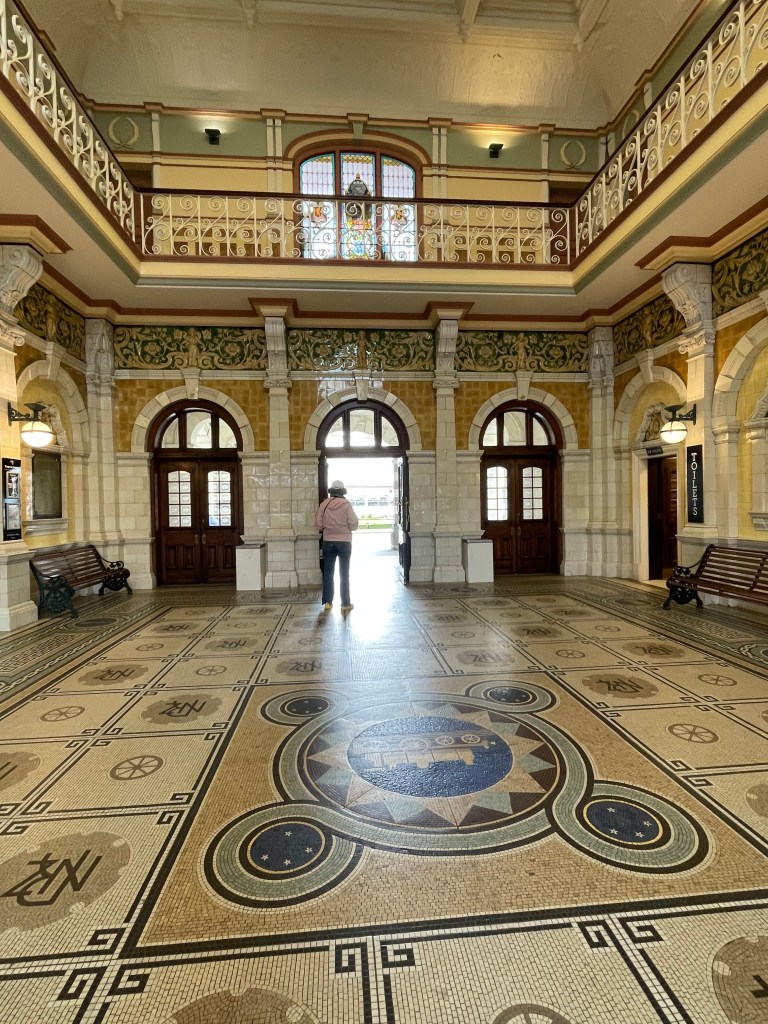
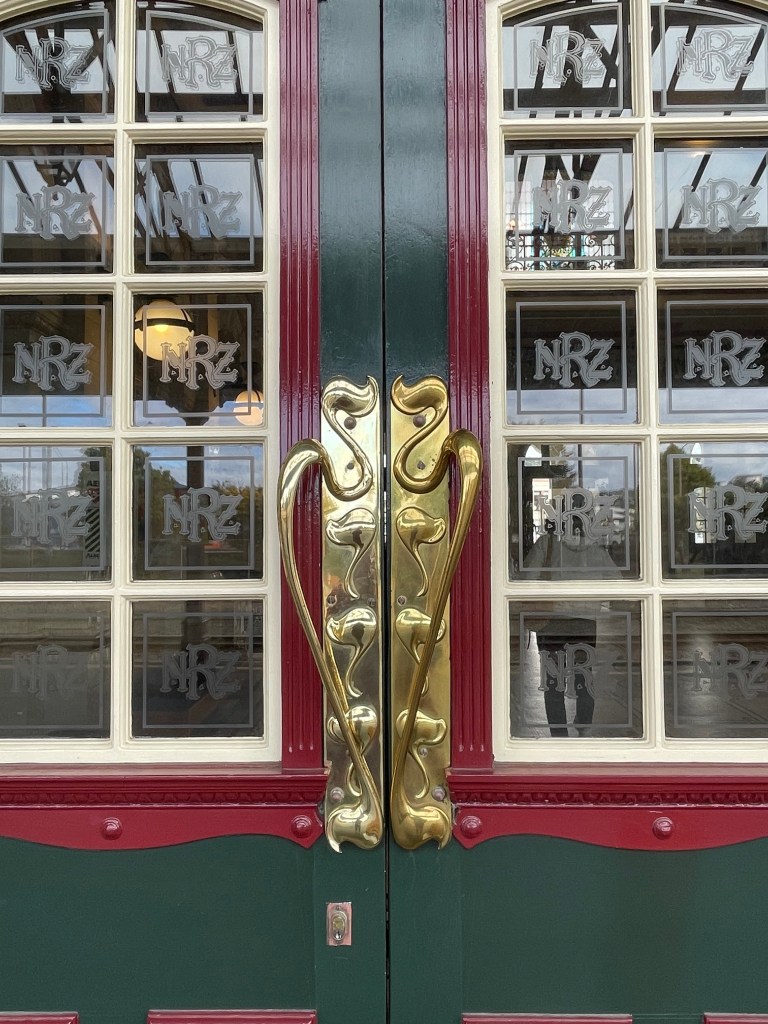
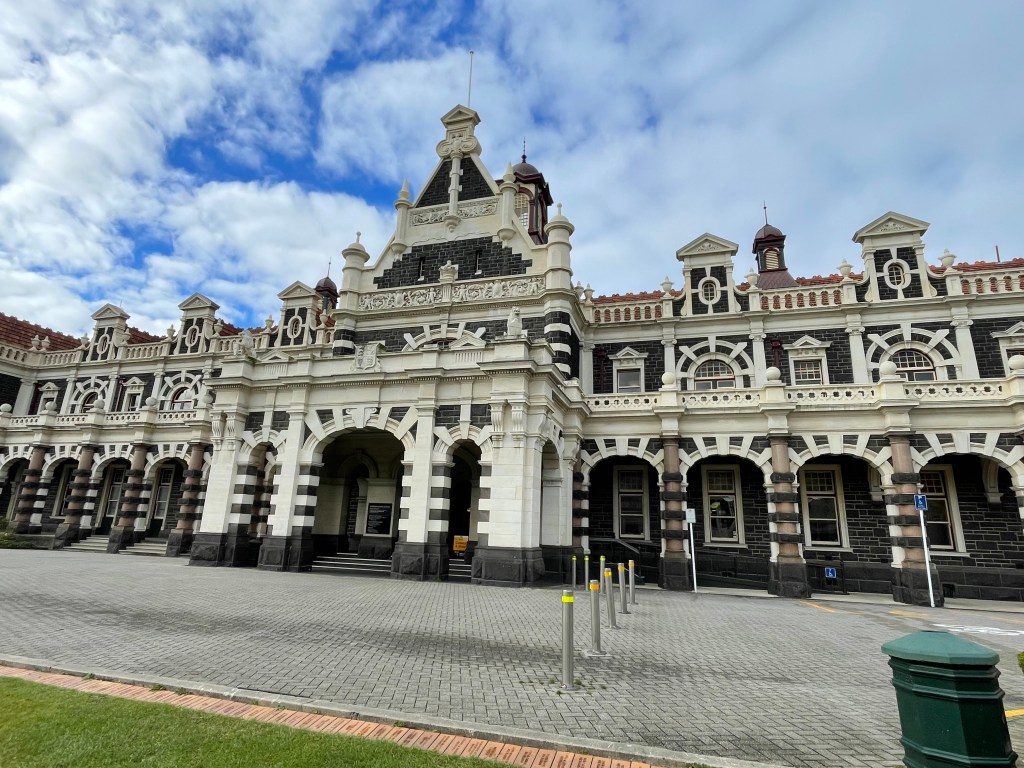
From the bus stop in central Dunedin, we aimed for a warm cafe for coffee. Dunedin’s Public Art Gallery seemed the best choice. The artworks didn’t grab us, except one (see the picture above), but the coffee and cakes certainly did. We walked around the Octagon, or city centre, then headed for the historic train station. It was opened in 1906, nicknamed “the gingerbread house” for its distinctive Flemish renaissance design.
Chinese Scholars Garden.
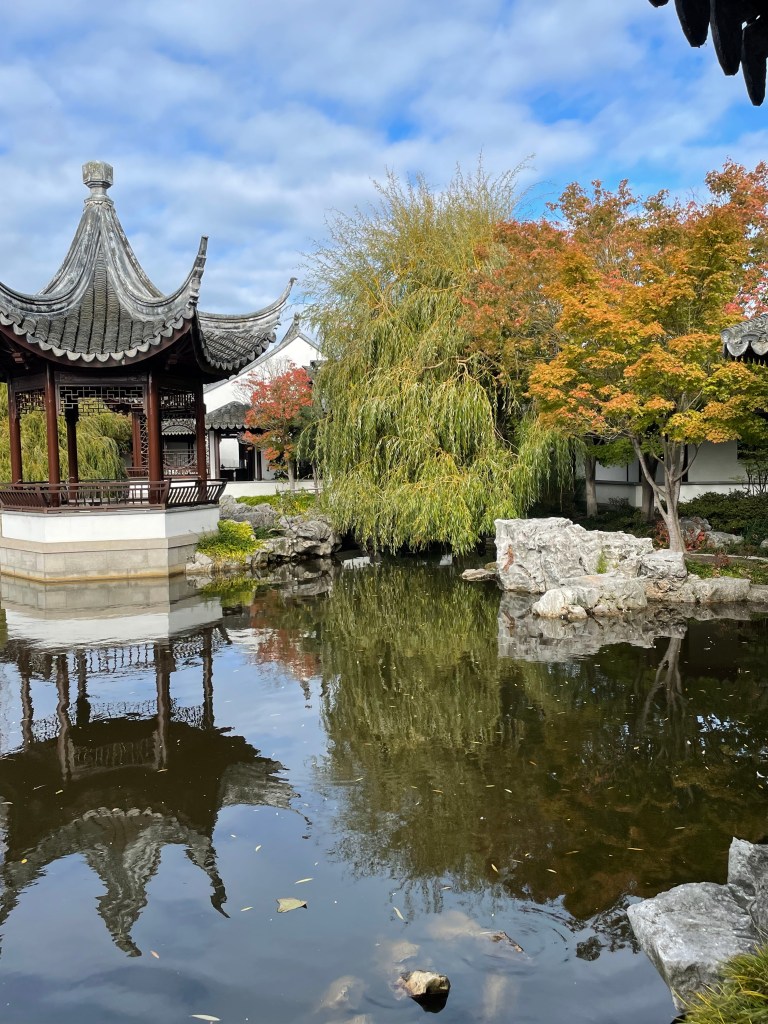
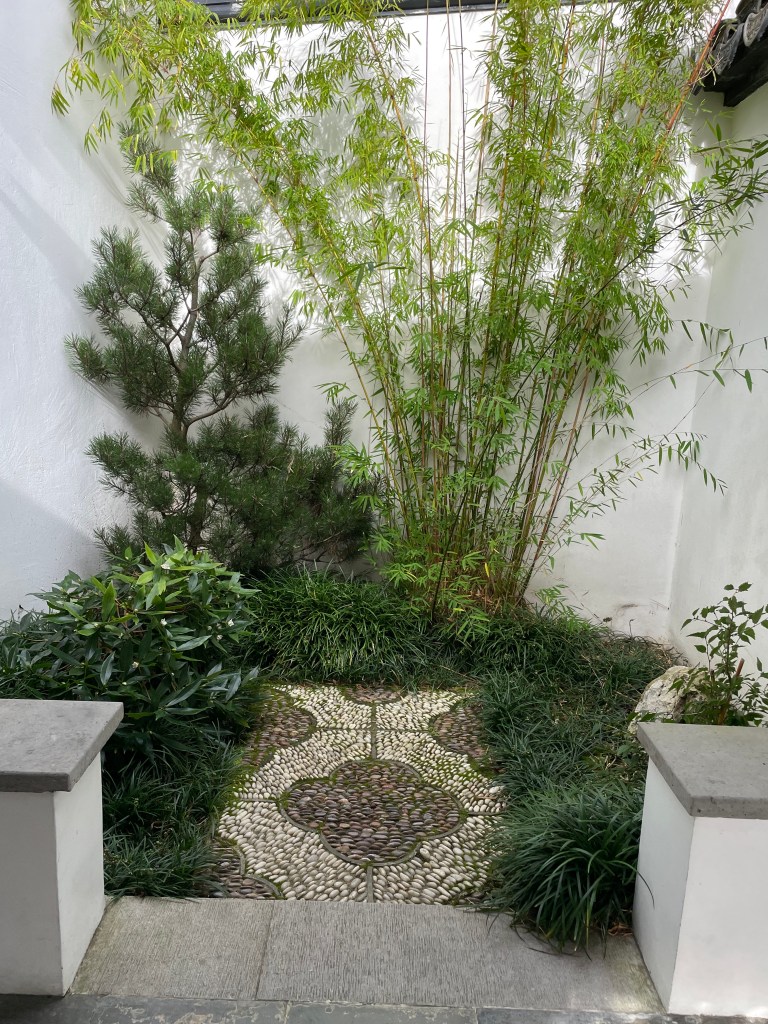
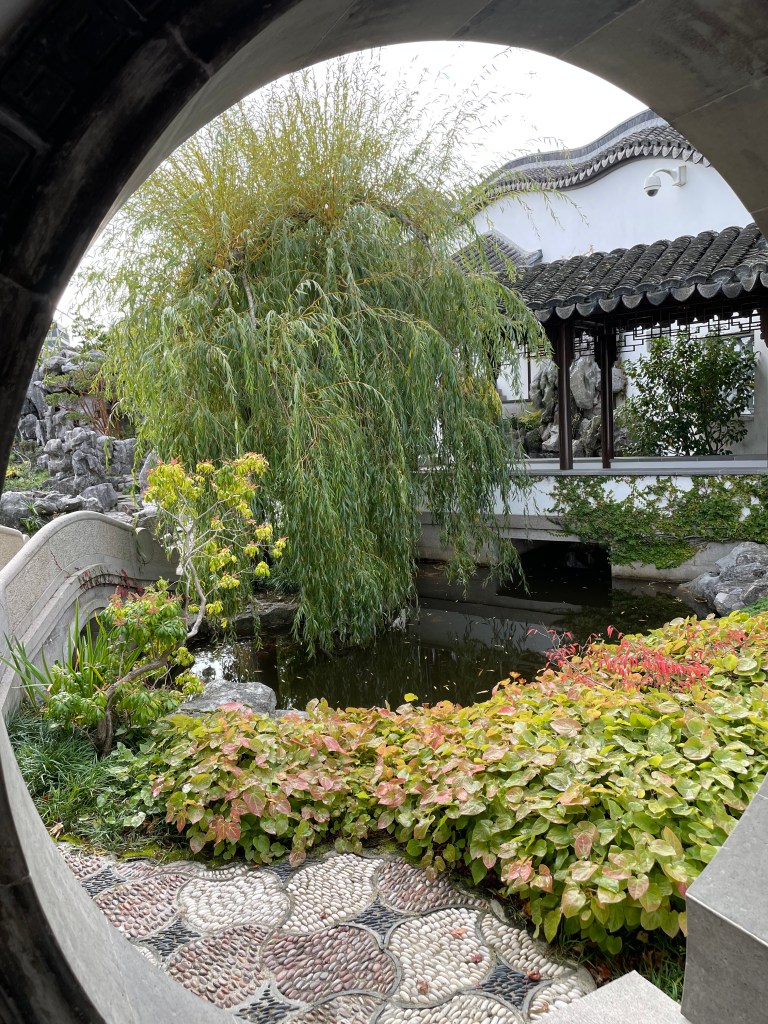
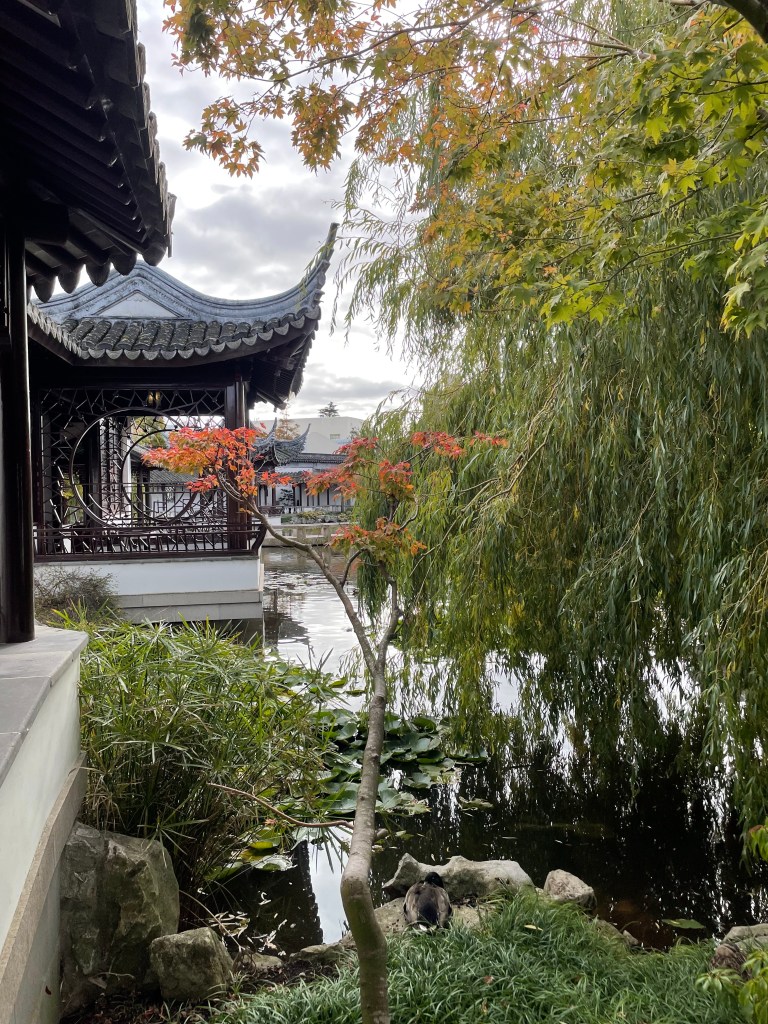
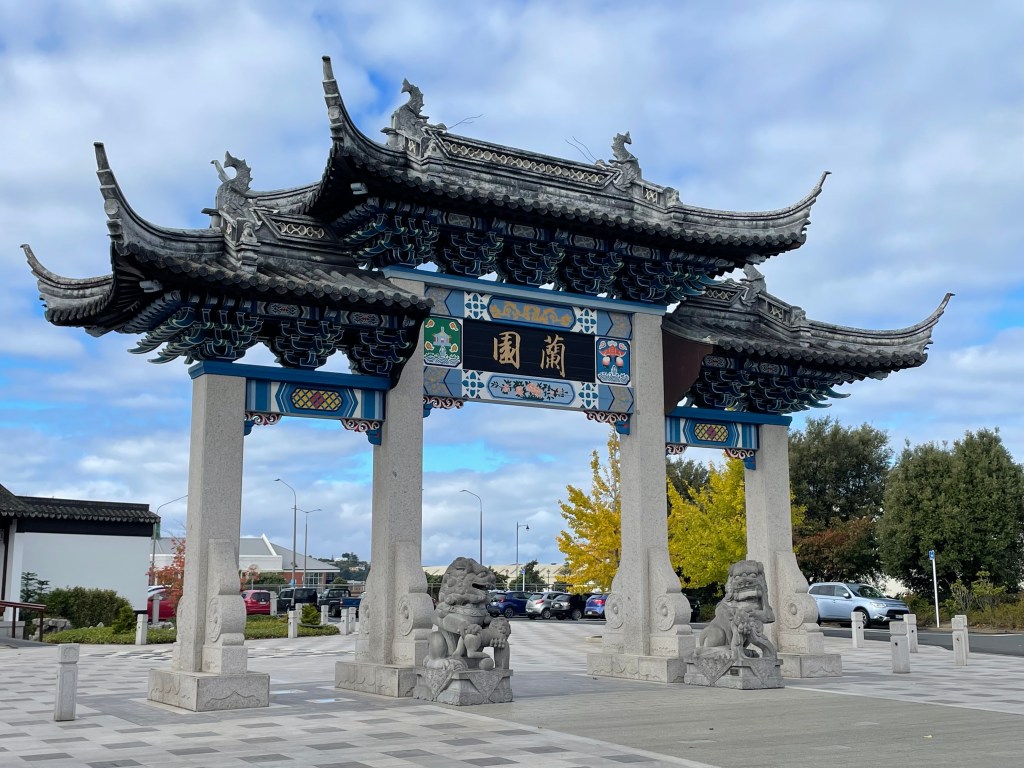
We wandered around an authentic Chinese Scholars Garden. Dunedin and Shanghai are sister cities. The entire garden was built in Shanghai and assembled in Dunedin. All the rocks, plants, trees and timbers were specially chosen in China. There is a long history of Chinese settlement in Dunedin mainly due to gold mining, however many families remained, with some becoming esteemed in the New Zealand community.
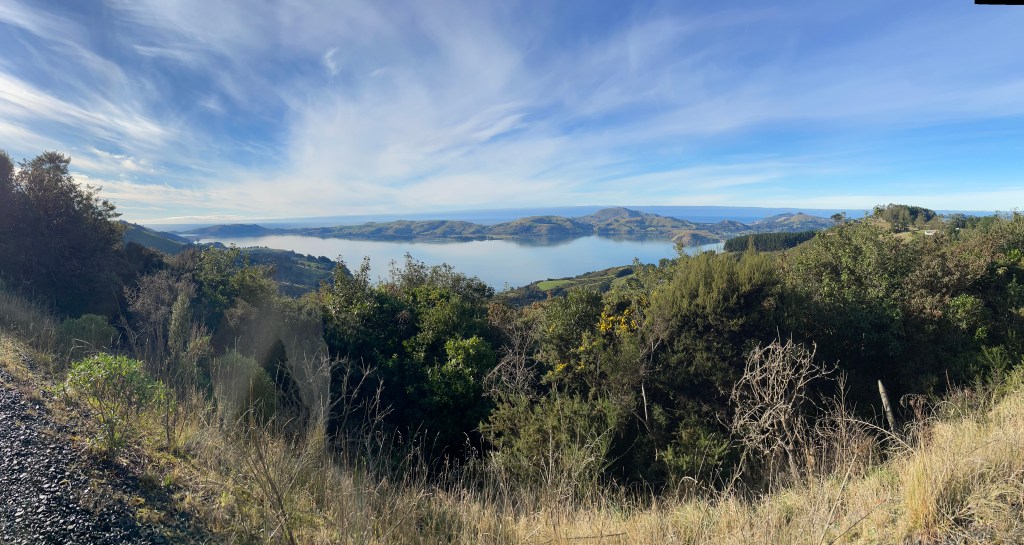
There are plenty of other things to see and do in Dunedin but we needed to move on, there is always a next time…when I come to see the Albatross again. We travelled along the north shore of Otago Harbour to Port Chalmers and then wound our way up over the steep hills back to Highway 1.
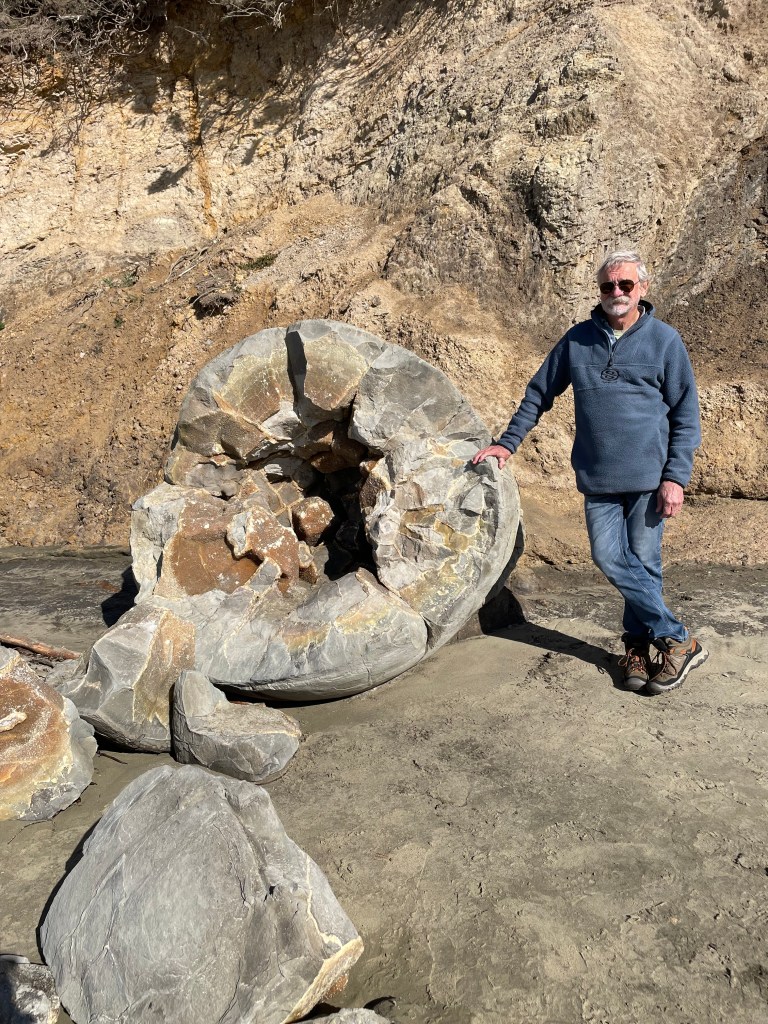
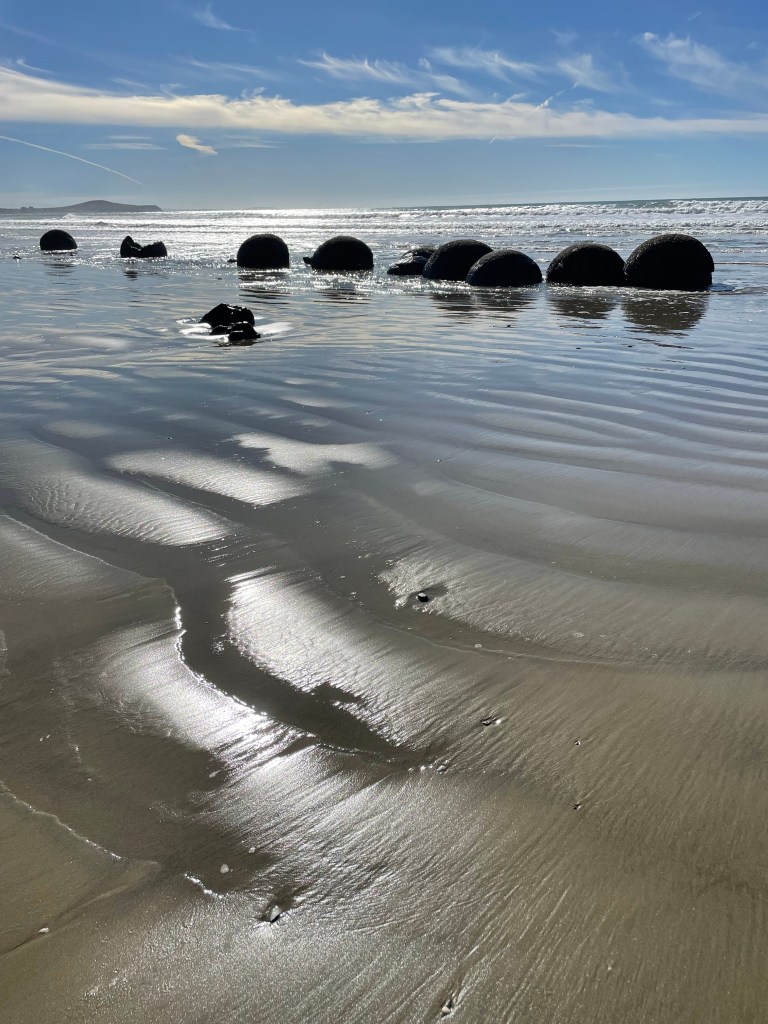
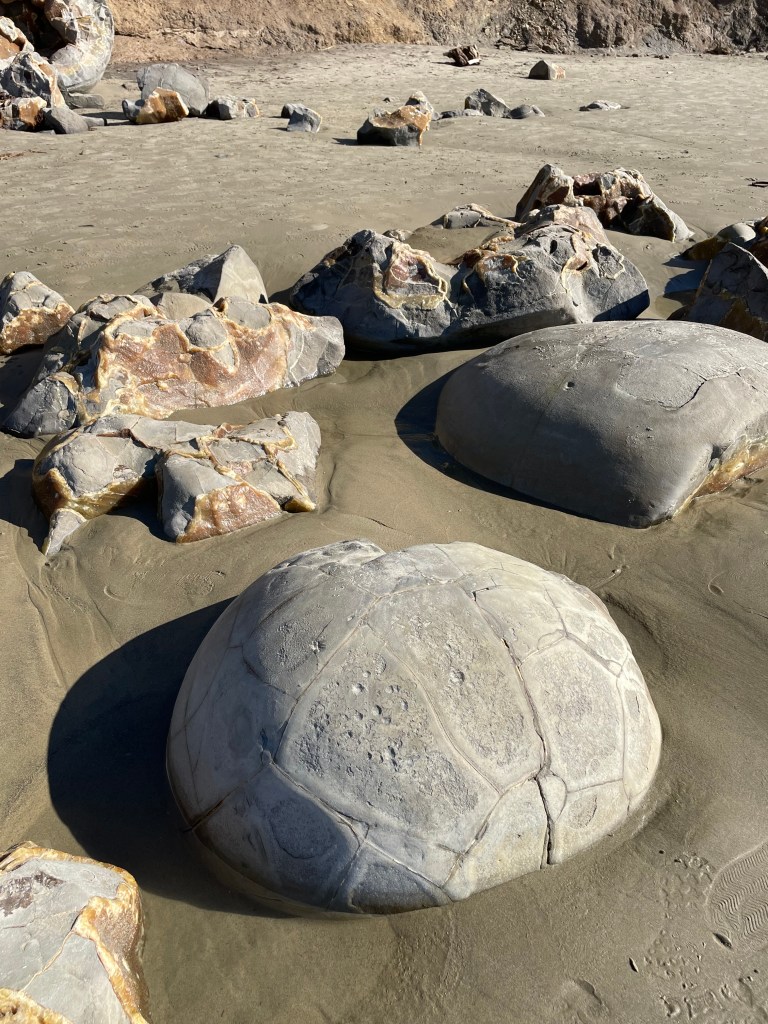
Going north, we came across the Moeraki Boulders. These unique circular stones on the foreshore are from the age of the dinosaurs. There are 50 complete boulders, the largest weighing up to 7 tonnes and took 4 million years to form. I have to rely on the information brochure to sprout these facts, but they were quite intriguing. Well worth the stop.
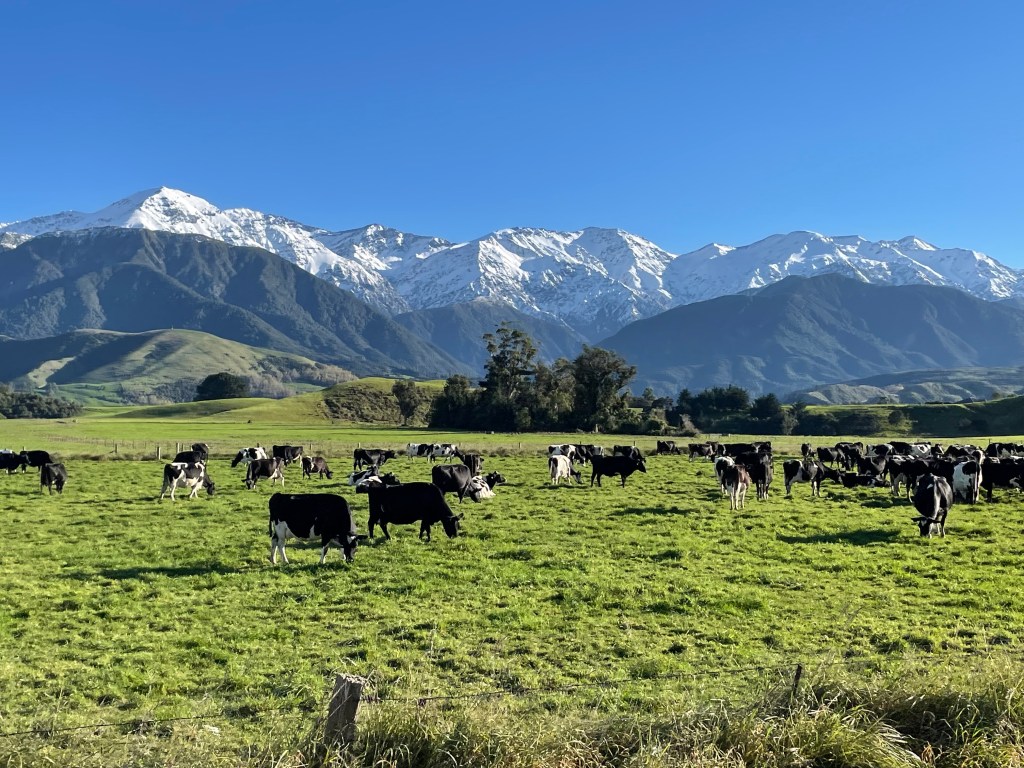
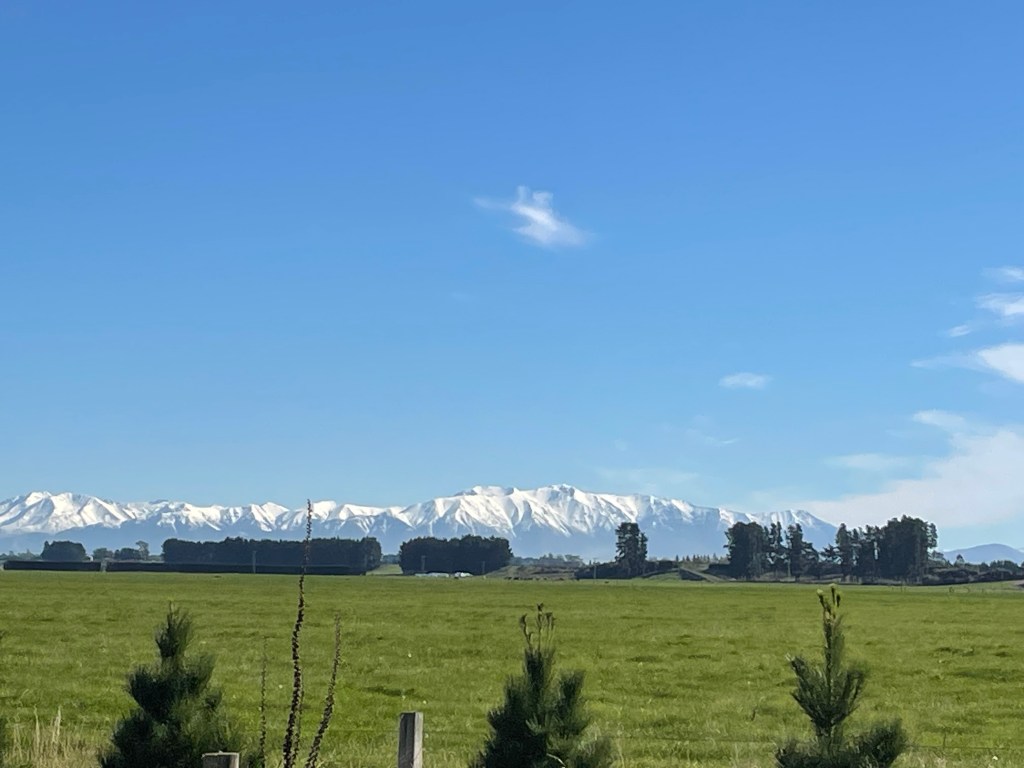
Heading further north, we were accompanied for hundreds of kilometres by the picturesque snow capped mountains west of us. For Aussies who rarely see snow, they are captivating. We thought we’d stay at Timaru for the night, but it was a big bustling town so we continued on. Found a small campground at Temuka. Quiet, next to a golf course with established trees, good walks, and warm enough at last that we could break out the folding chairs to have a wine in the afternoon sun.
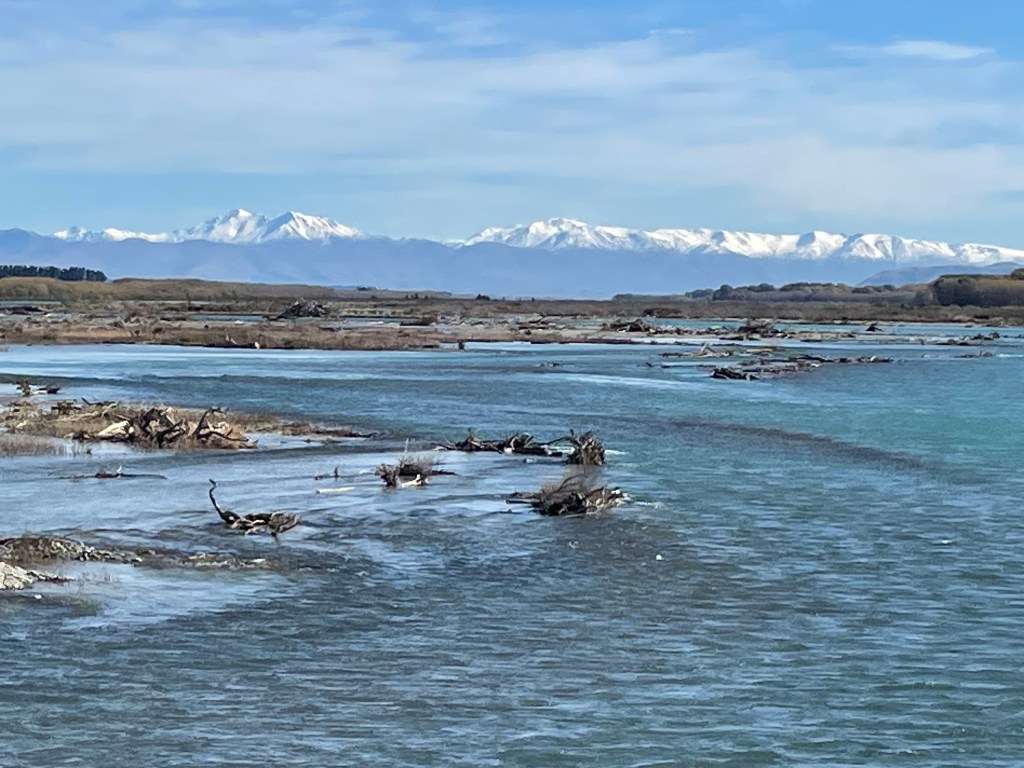
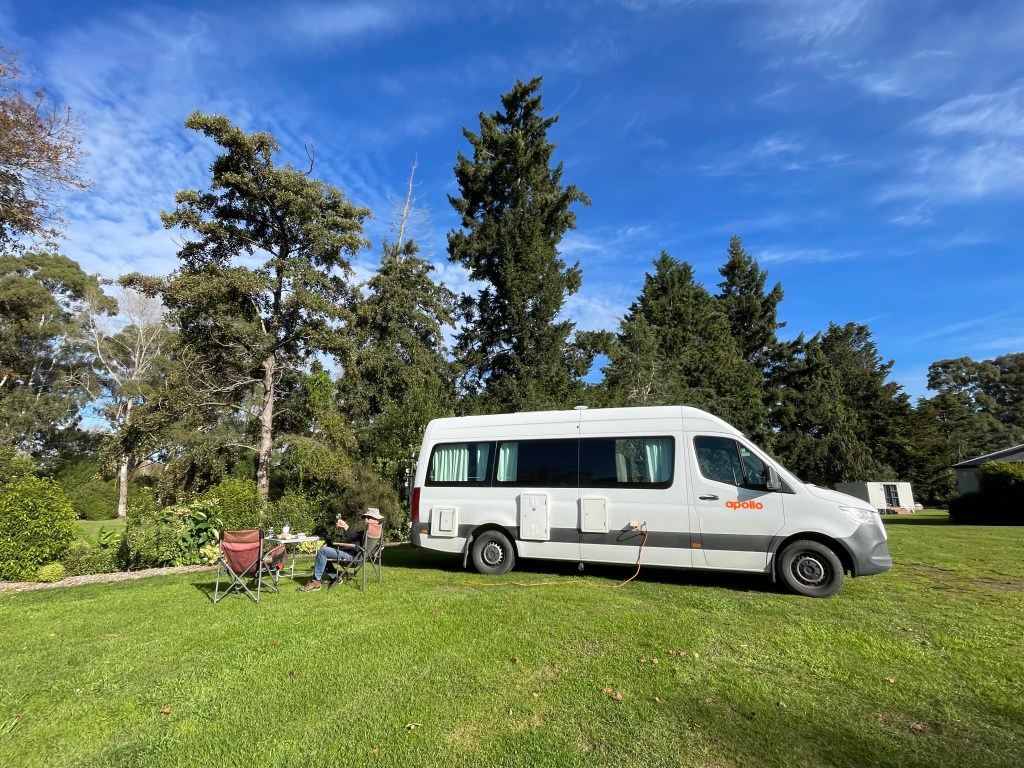
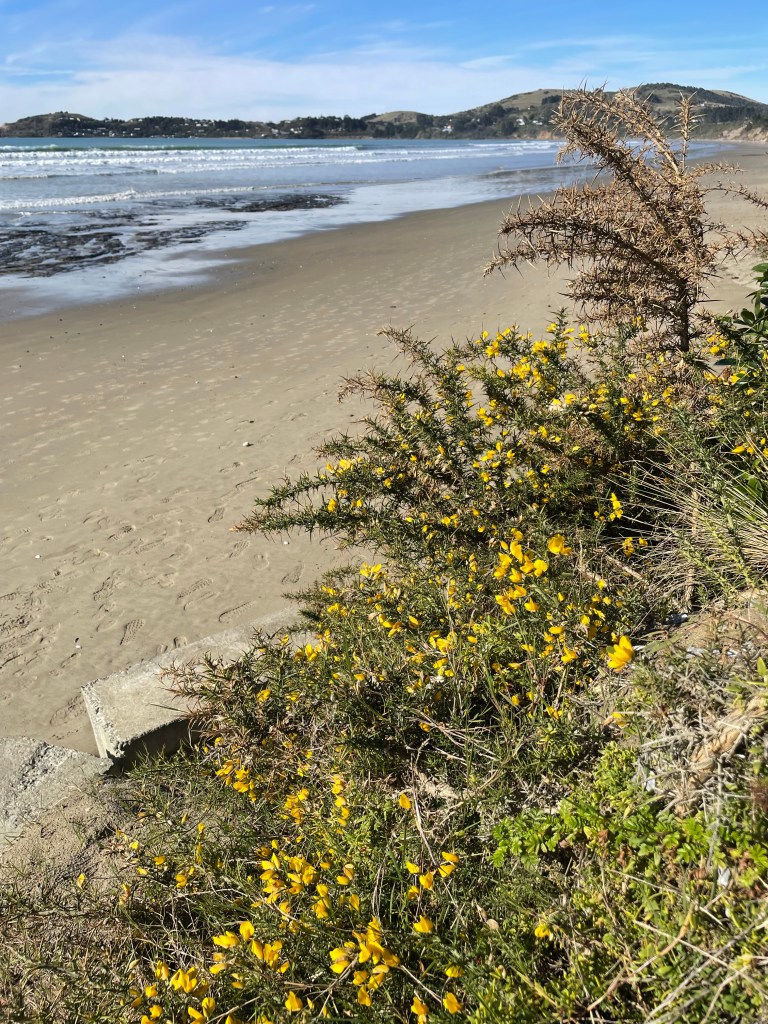
Our next destination was the Banks Peninsula, east of Christchurch. We’d been told it was worth going there and it didn’t disappoint. Fine warm weather helped enormously. We went to Akaroa which was quaint, bustling with holiday visitors, it reminded us of Sorrento in Victoria. However they discouraged parking of big vans like ours. So by the time we found a free campsite to park the van, we were a long way from the centre of town. Had we stayed, we would have been in a cramped gravel carpark with no view except of other campers. So we back-tracked to a quiet town called Duvauchelle. The lovely campsite overlooked a bay on Akaroa Harbour. The weather was calm, and warm. It was the Friday before the long weekend Anzac Day holiday, so campers with boats and kids pulled in after dark. We left the next day, but saw a constant stream of cars going to the Peninsula. It must be the holiday spot for Christchurchians. Why not? It’s so beautiful.
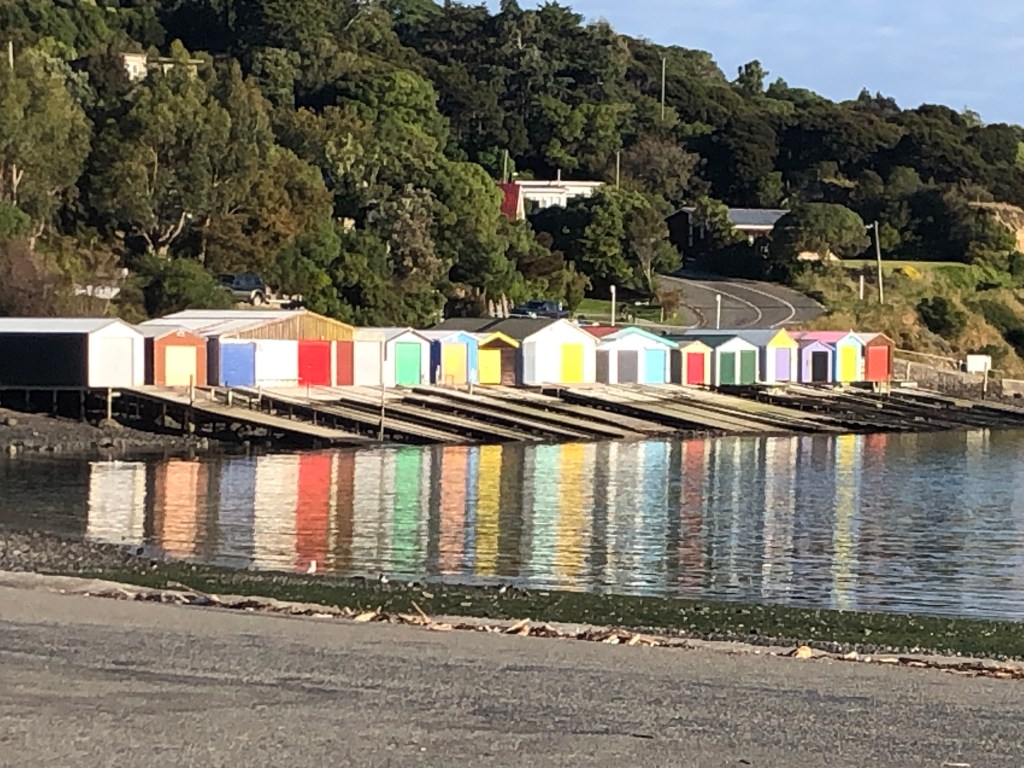
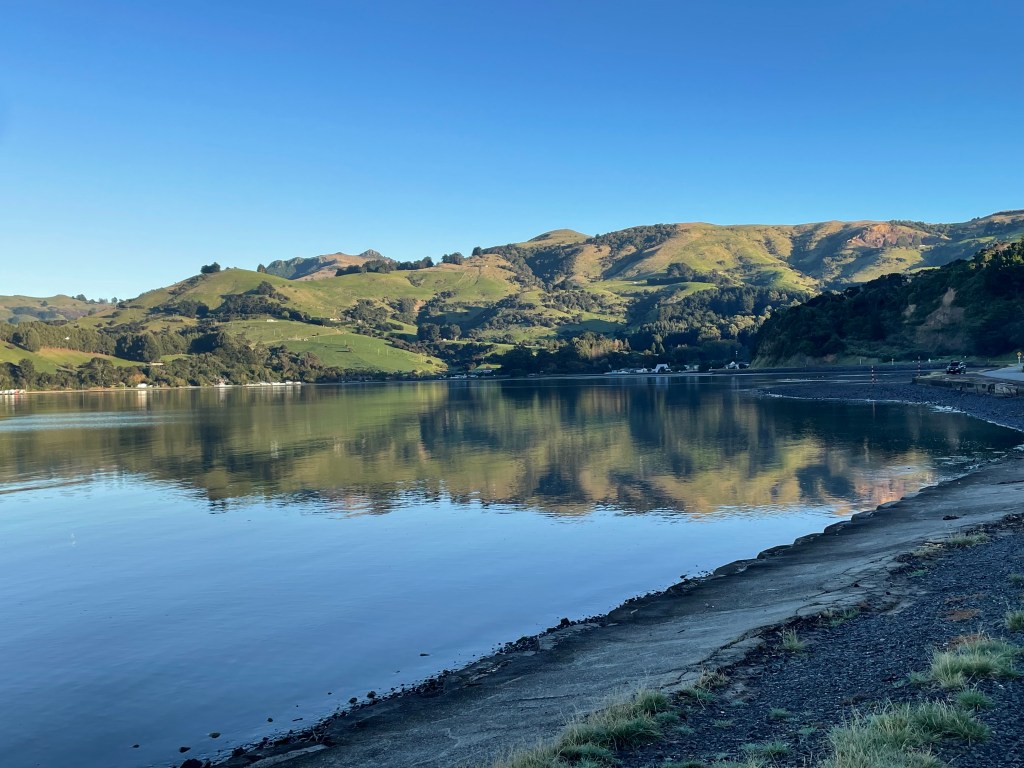
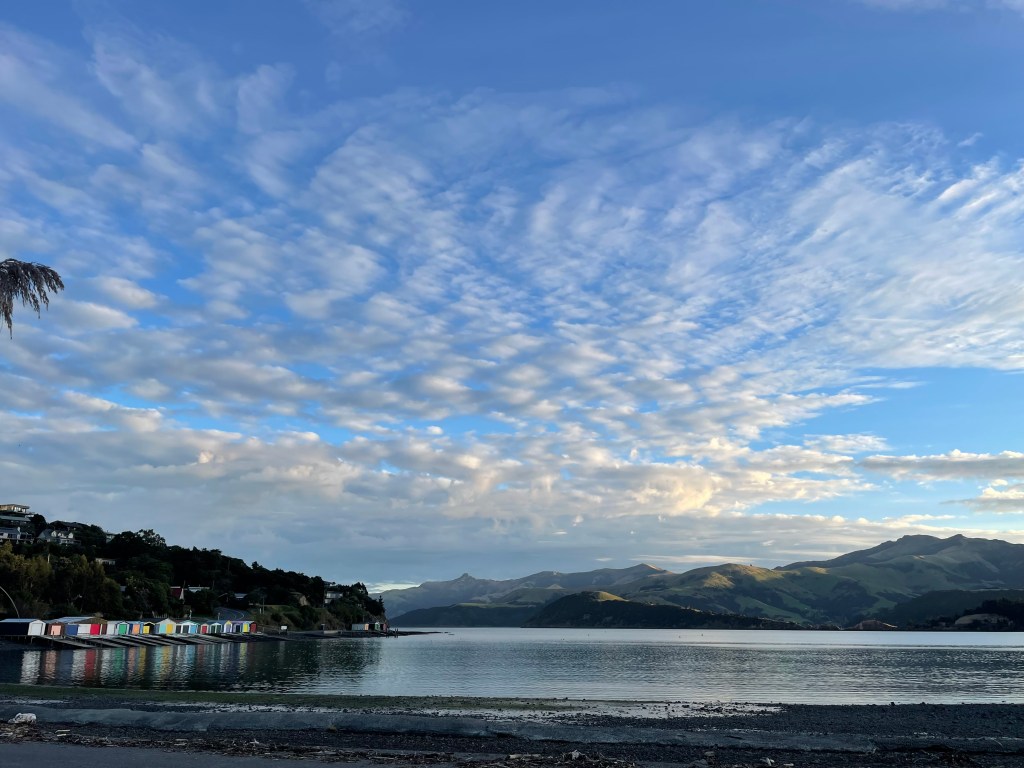
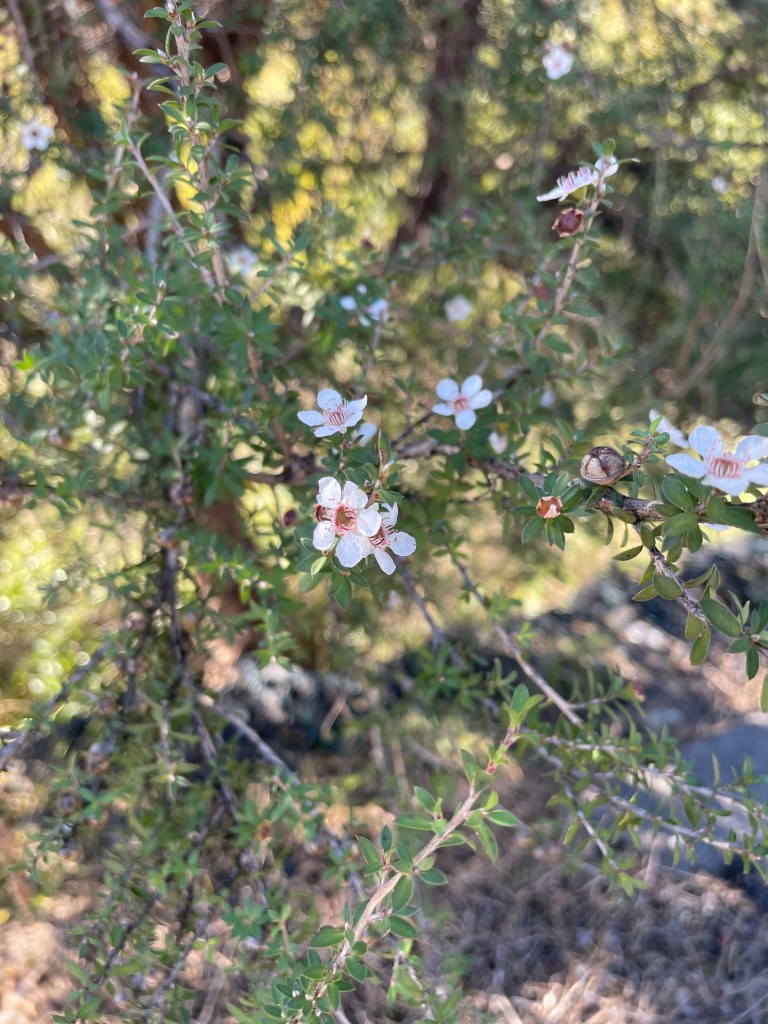
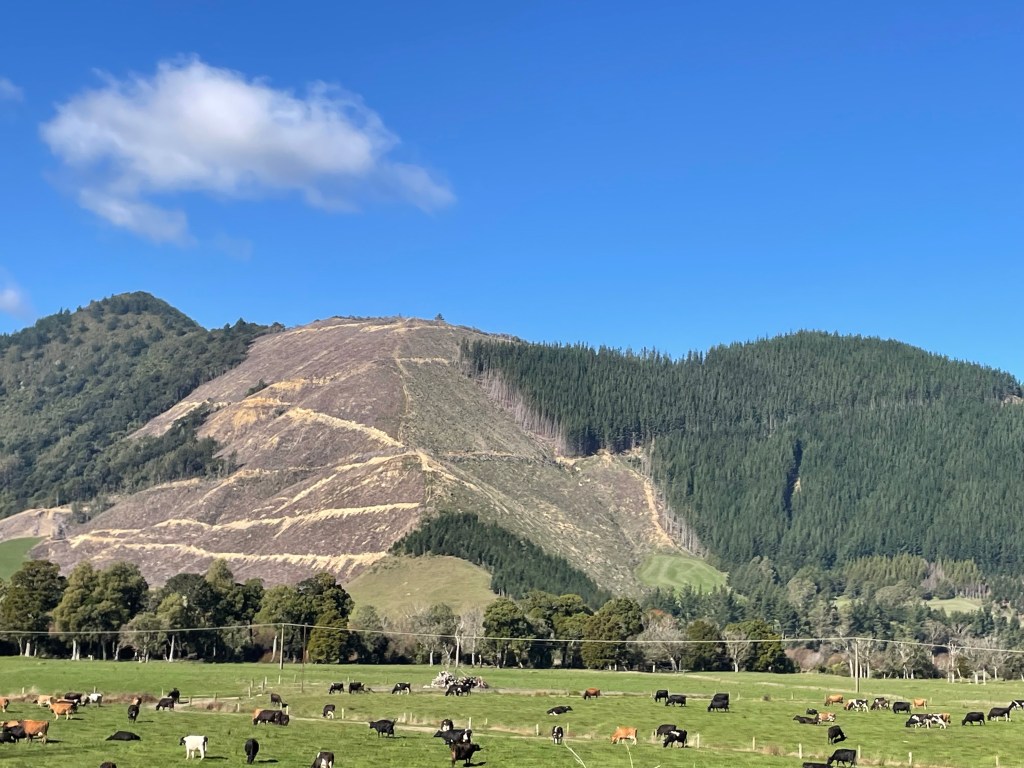
We picked up highway 1 again and headed north with Kaikoura as the chosen destination. Winding roads through forests and along the coast were very scenic. It was like Victoria’s Great Ocean Road, but with no surf, the sea was dead calm. Pine plantations started to be prevalent, insidious. Steep hills either covered in growing pines or denuded to bare earth. What happened to the native forests I wondered? But I did find Manuka.
Kaikoura was a bustling town, especially being a holiday weekend. We decided to walk into town for dinner and ended up in a delightful restaurant, called Strawberry Tree. I had a most delicious seafood chowder, a must when you’re in a fishing town. Our campground had spectacular snow clad mountains nearby, we were surprised to see these so far north. But it was cold!
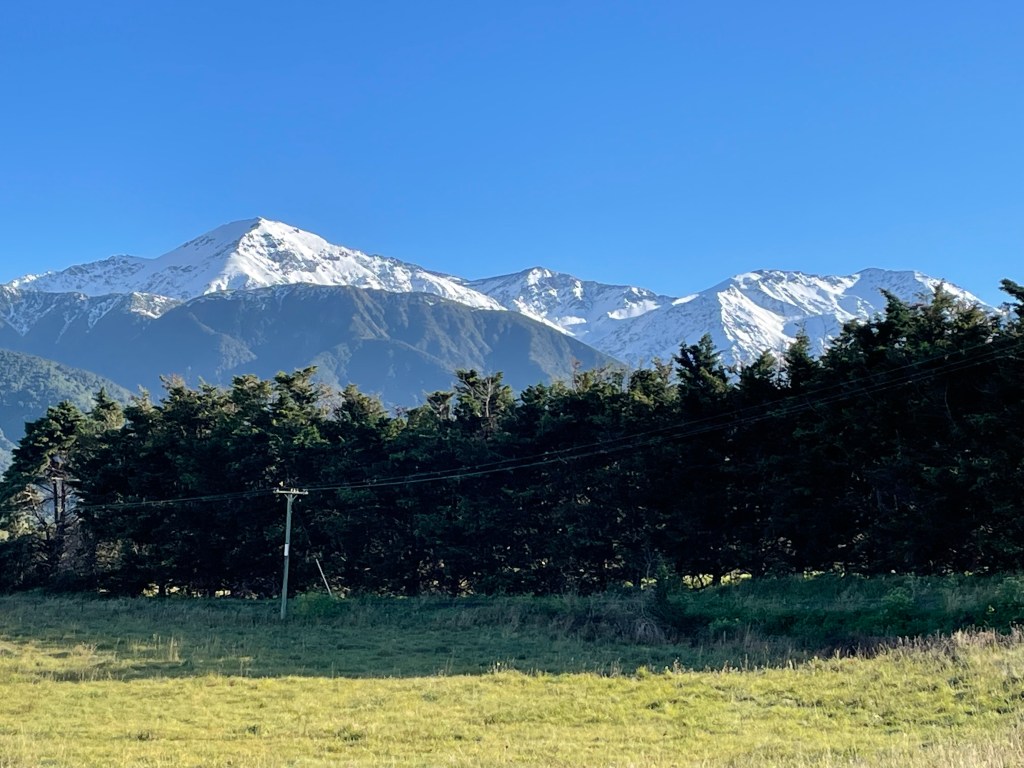
The scenery north of Christchurch is wonderful. I can see why people rave about the South Island, but I’m sure we’ll find great places in the North.
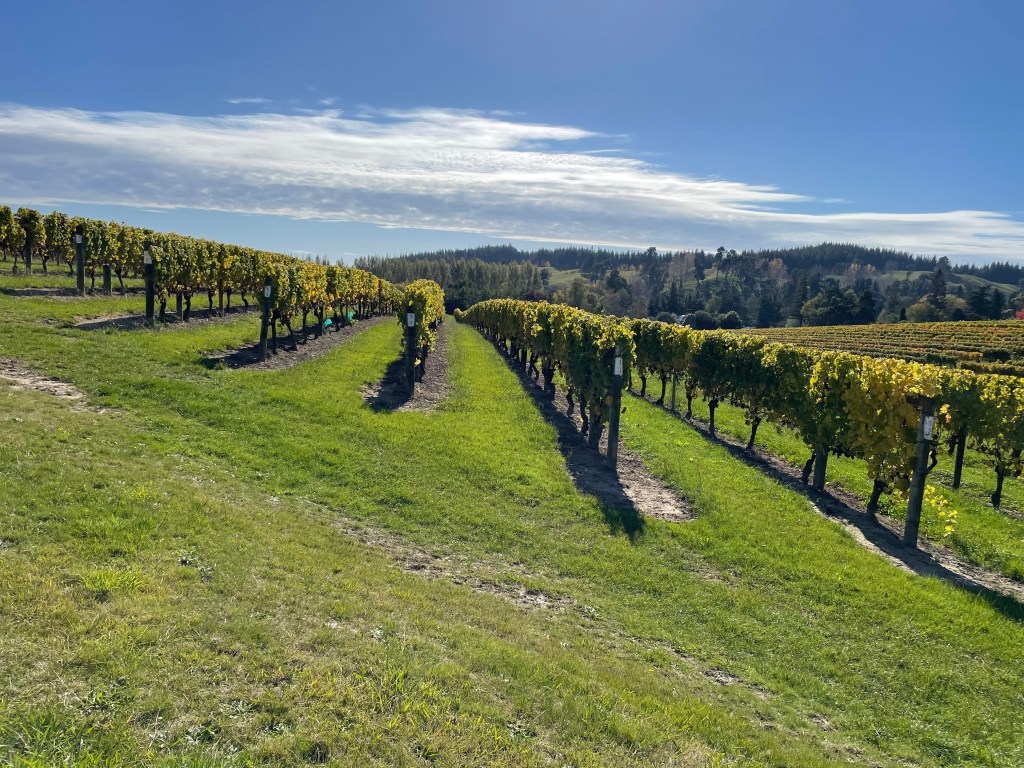
From Kaikoura we travelled to Blenheim and began to see the infamous grape vines this Marlborough district is renowned for. Acres and acres of vines, all neatly trimmed at exactly the same height, flushed with yellow autumn leaves, mostly without grapes. Unlike the Yarra Valley, Clare Valley or Barossa, cellar doors were hard to find. We had agreed to visit at least one for a tasting but it took our second day in the region before we found one. Anzac Day holiday on the Monday didn’t help.
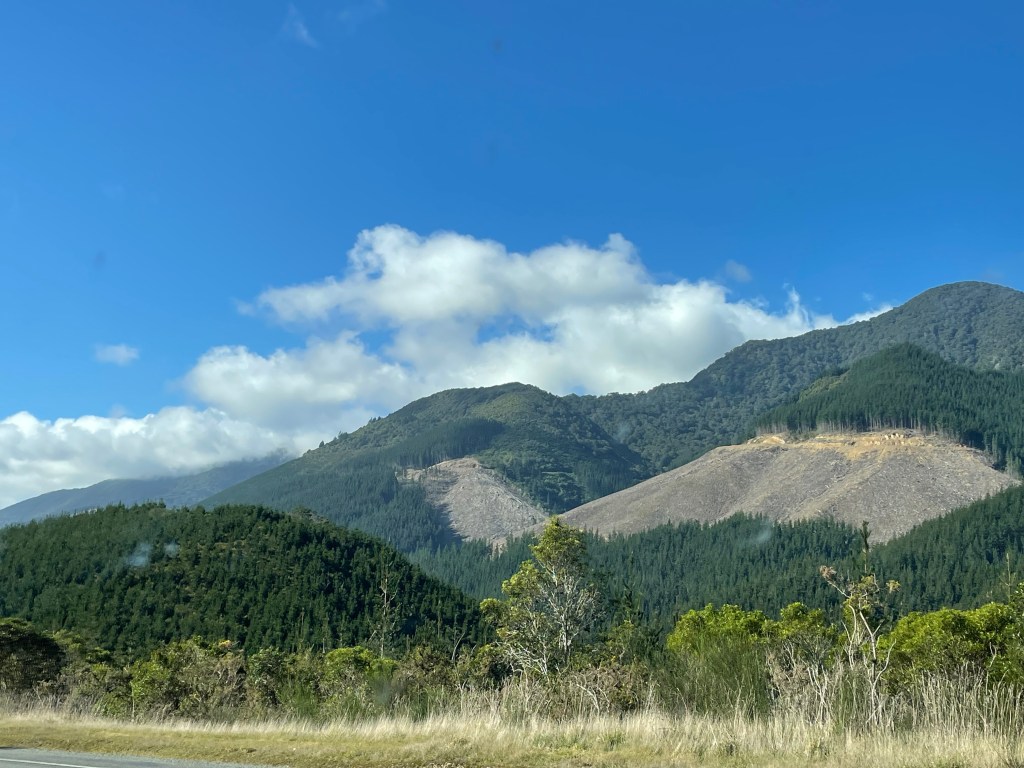
From Blenheim to Nelson the road wound up and over steep hills and valleys for about 50km. Quite a challenge for our van and its driver. Once again I was staggered at the encroachment of pine plantations on the native bush landscape. Not only were the pines growing on the steepest of hillsides, they had also been harvested there too, leaving sad denuded scarred earth littered with the remaining detritus scraped up into piles. Along all the beach foreshores, piles of sticks and branches in tidal lines had washed up in the storms. The theme of pines overtaking native bush rung over much of the mountains of the north of the south island. I suppose you’ve guessed I’m angry about this wanton destruction. (angry face).
Anyway, we stayed in Nelson for a night, the town was “dead” being a Saturday afternoon of a long weekend. We cooked on the van’s bbq for the first time, the evening was warm enough to be outdoors!
On the Sunday, equally the town was really quiet, but we did find the aforementioned cellar door for a tasting of Heaphy wine. Their Rose was worth buying a few bottles. We drove up the coast north of Nelson and found a delightful spot for lunch called Ruby Bay. I do like how we can pull into a carpark, open the “whizz-banger” door and make our lunch on the spot. We boiled the kettle for tea and sat on some driftwood with locals, enjoying the peace by the sea.
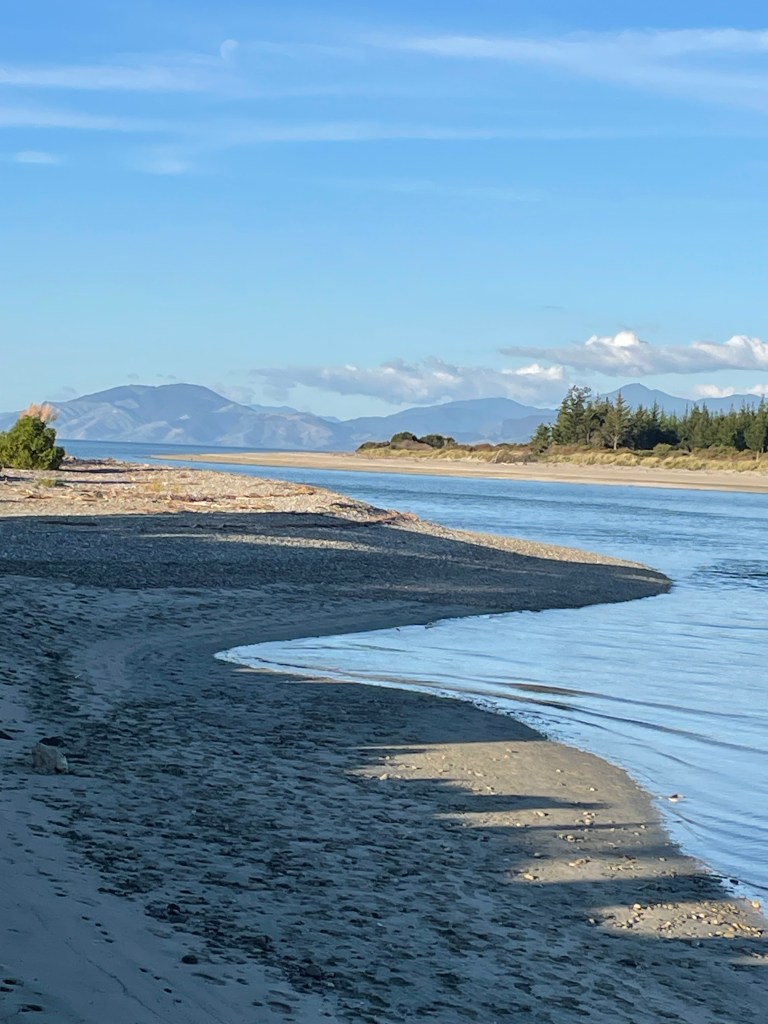
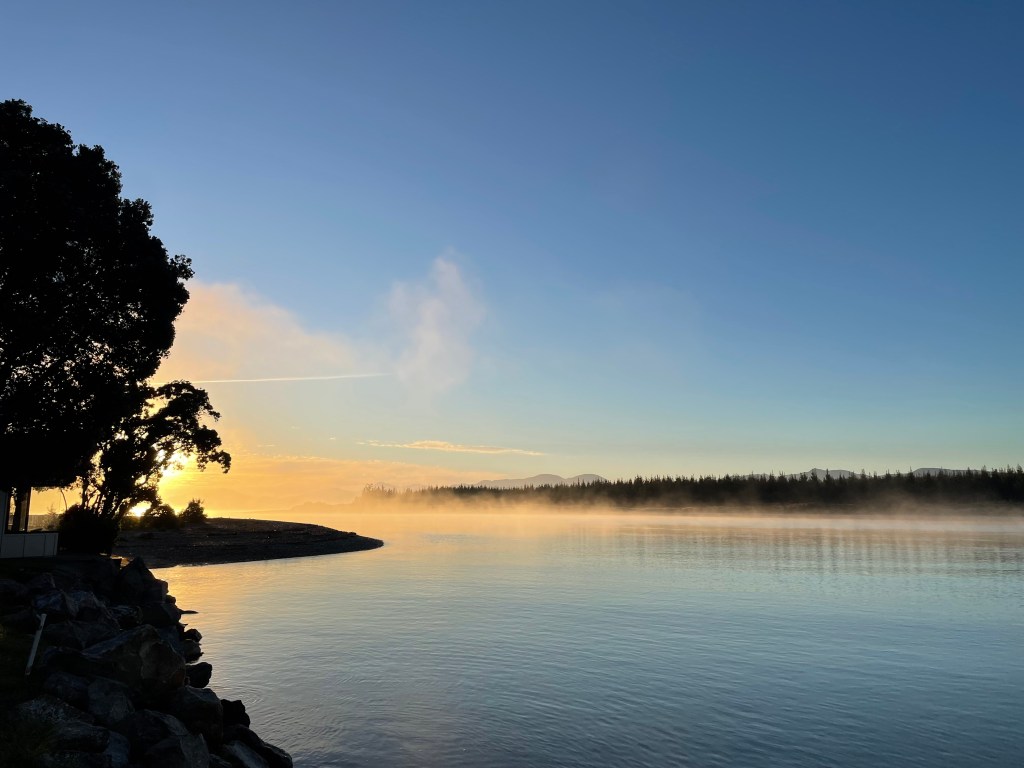
I found a campground north of Nelson at Mapua which was promoted as a Leisure Camp. I was expecting kids play ground equipment, bouncy castles, a ferris wheel….turns out it was a clothes optional camp in Feb and March. The receptionist pointed out the demarkation lines where we could go naked – not us, especially as it was April! The camp was actually really lovely, with a tidal river beside us and a view of the misty sunrise that was wonderful.
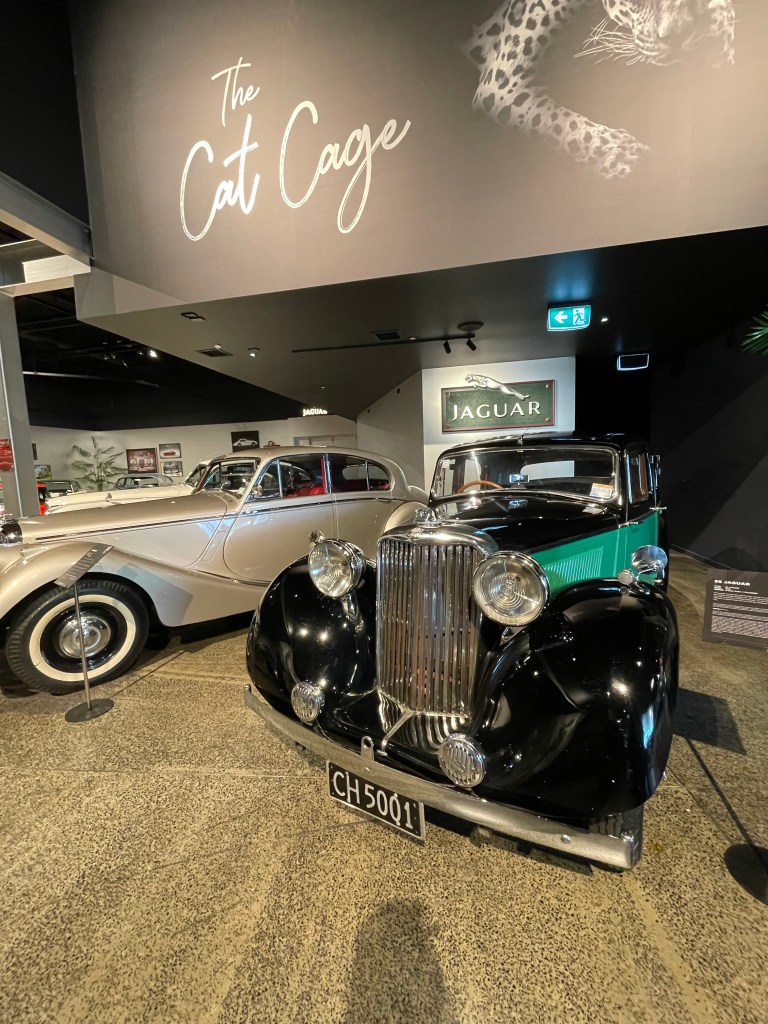
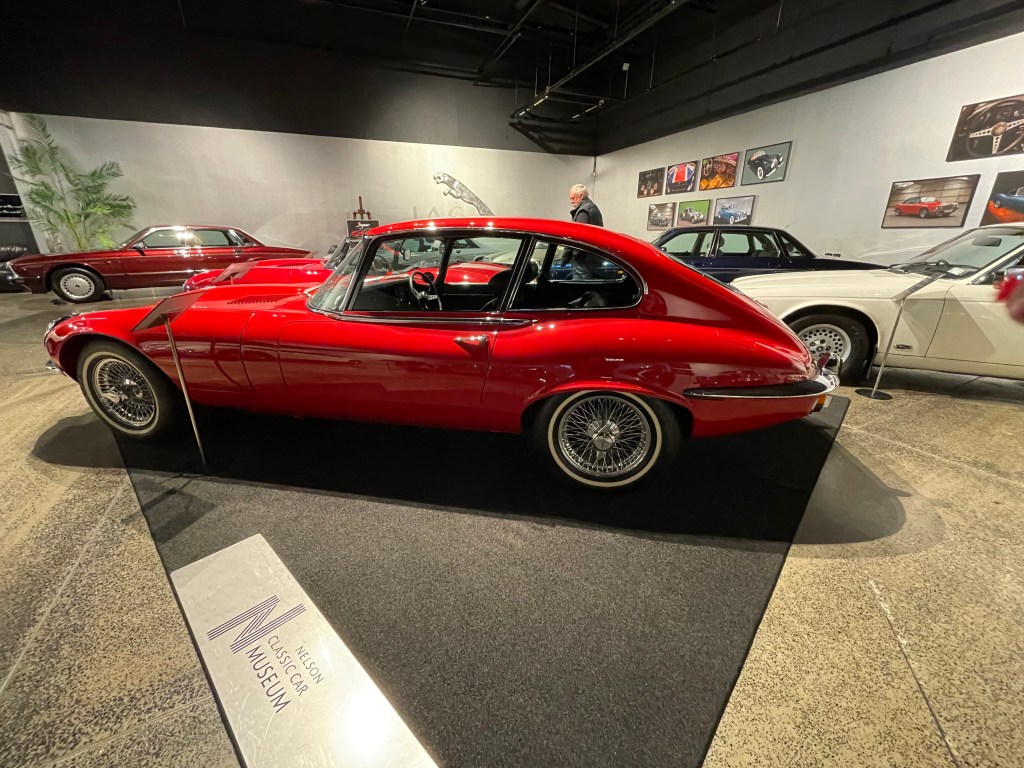
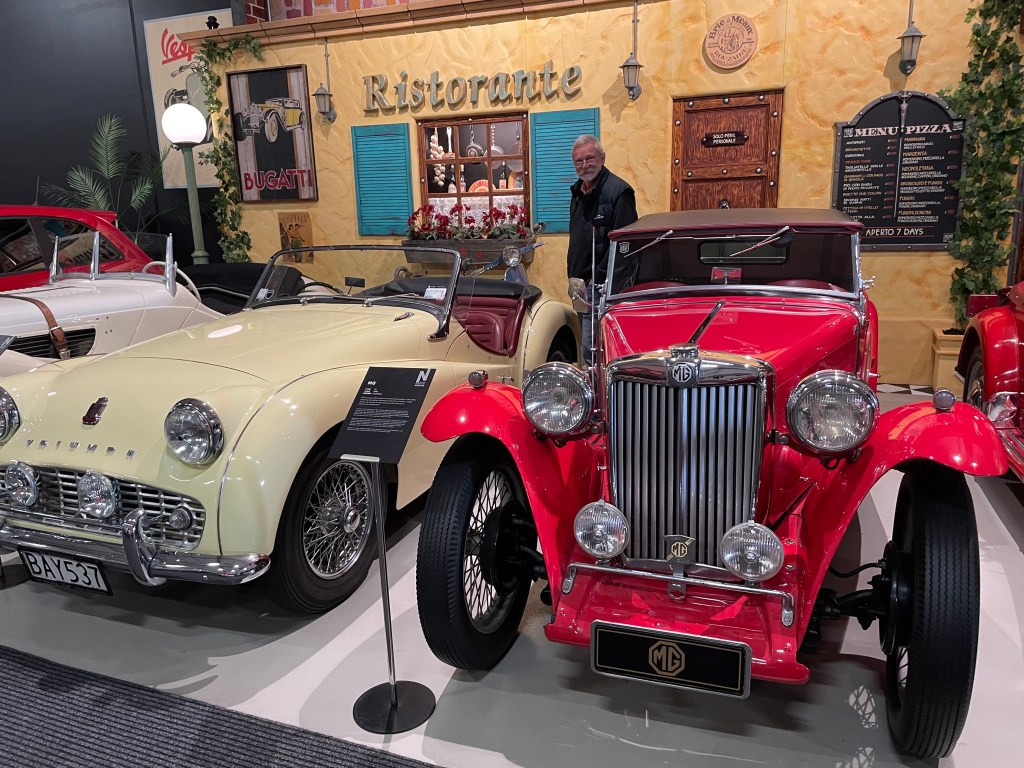
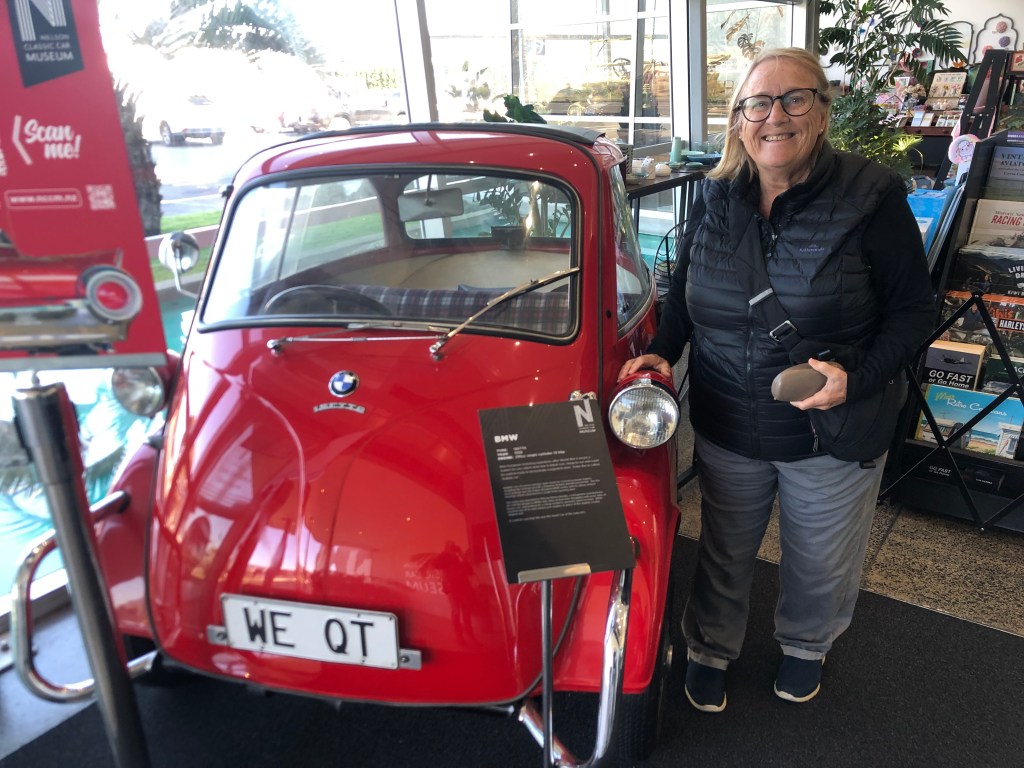
Before leaving Nelson, we visited the Car Museum. What a treat! This one had award winning background displays associated with the cars. Some of the pictures may show what I mean. I’d recommend this one to anyone, and there wasn’t a Land Rover in sight.
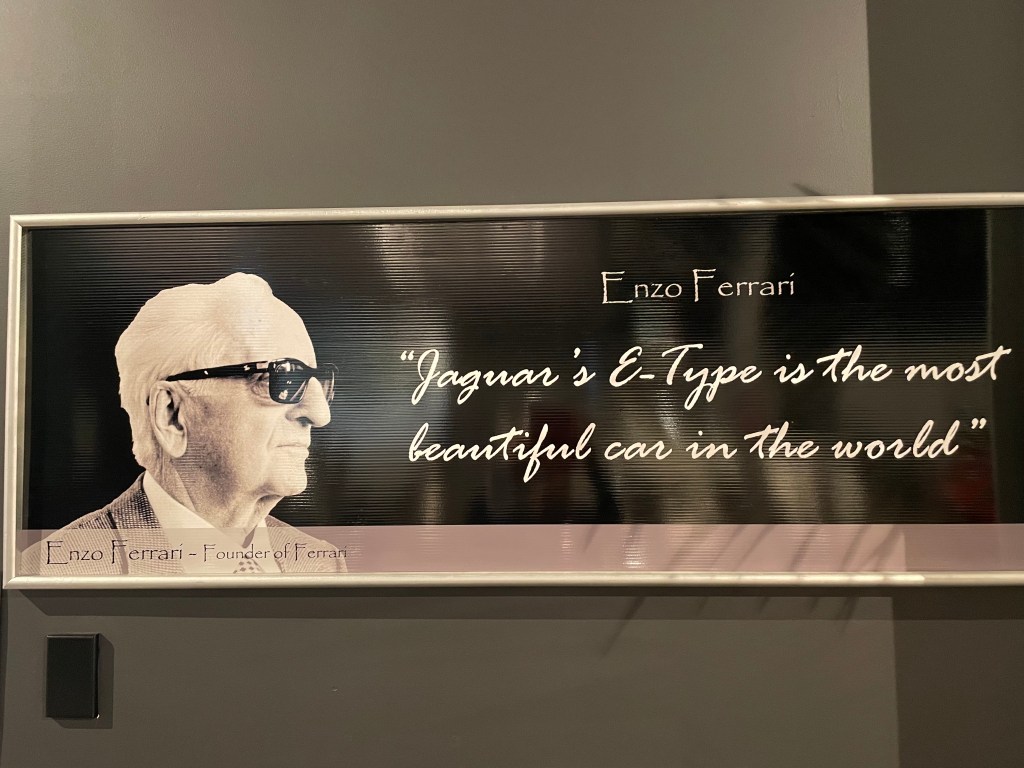
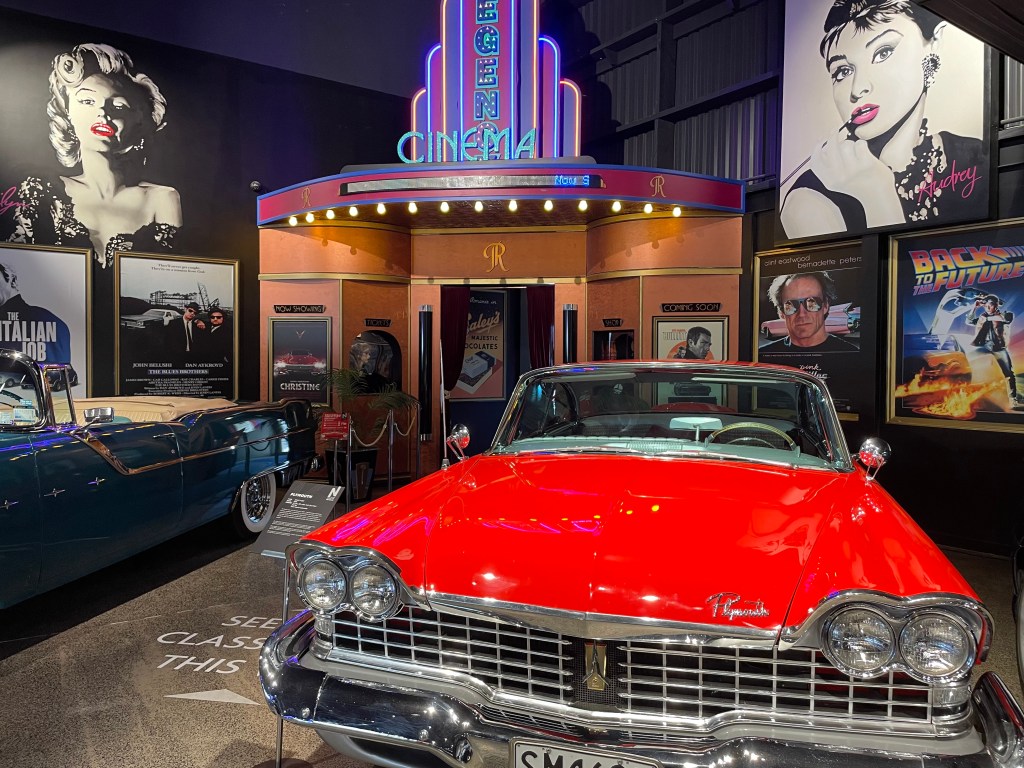
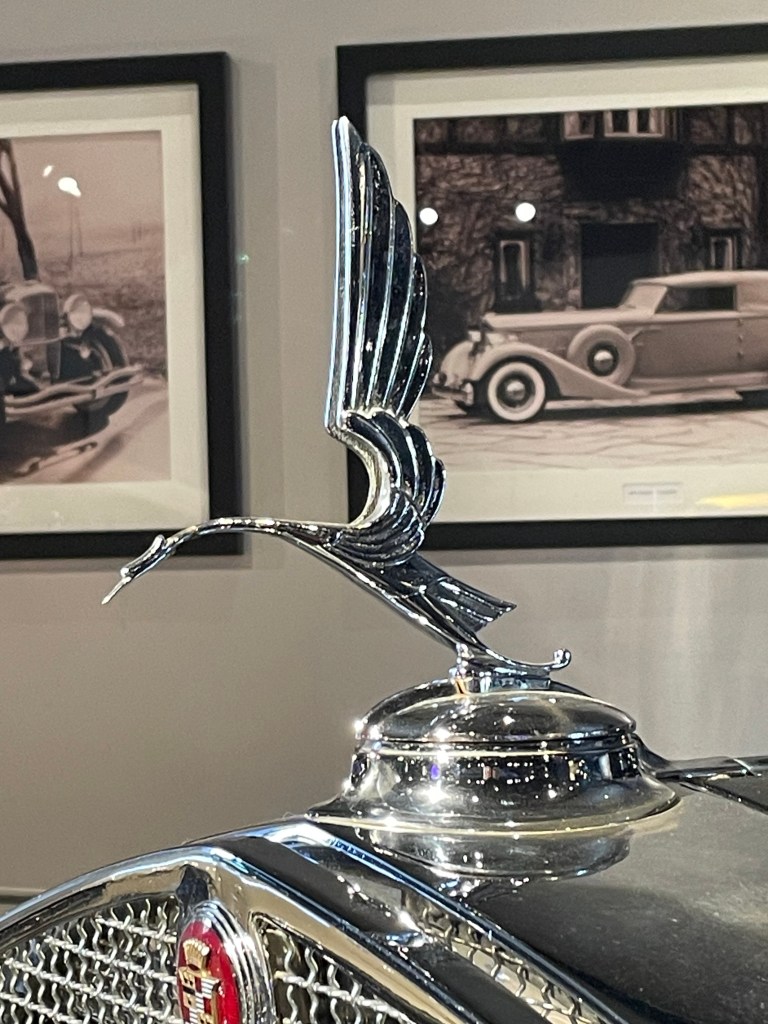
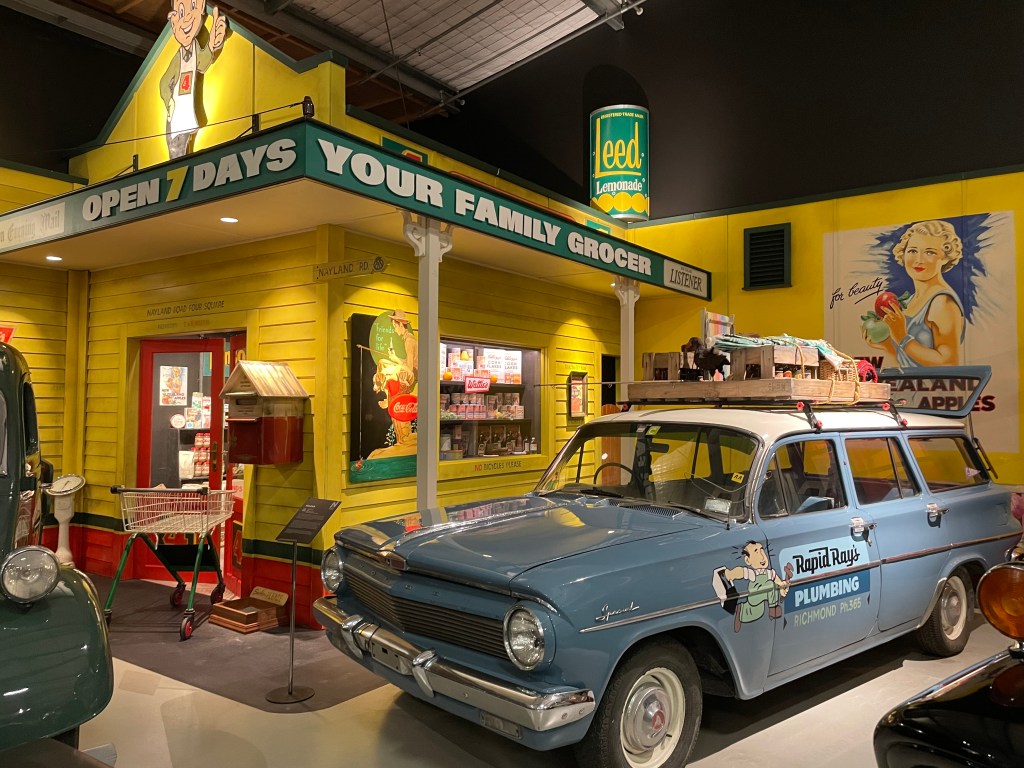
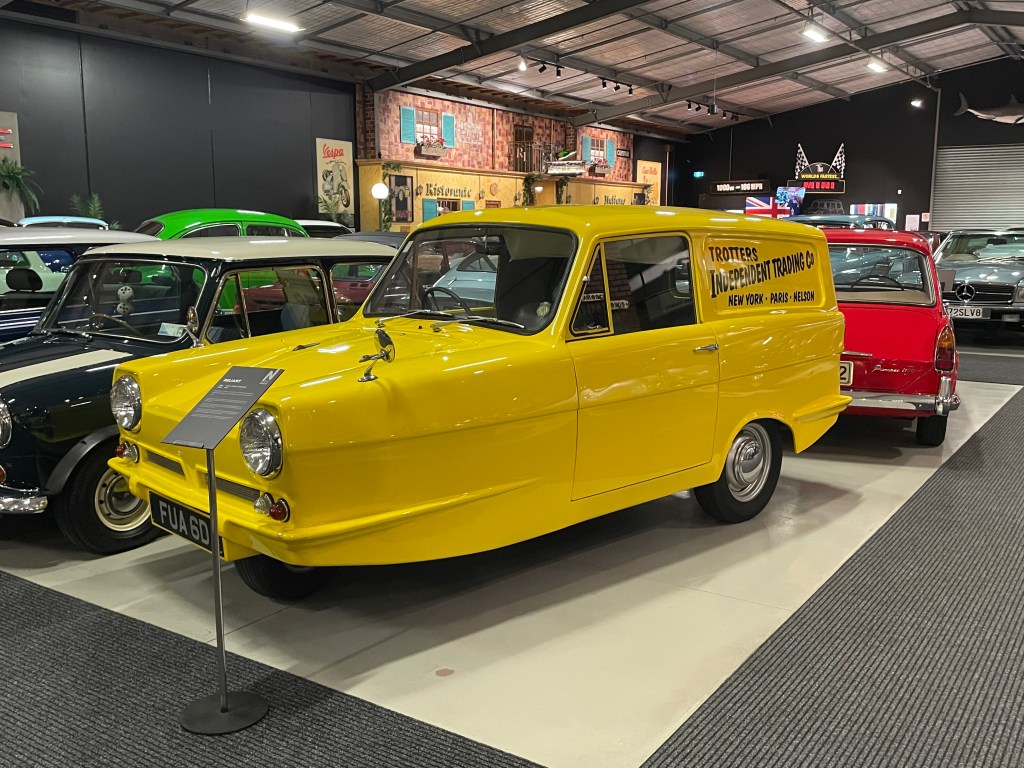
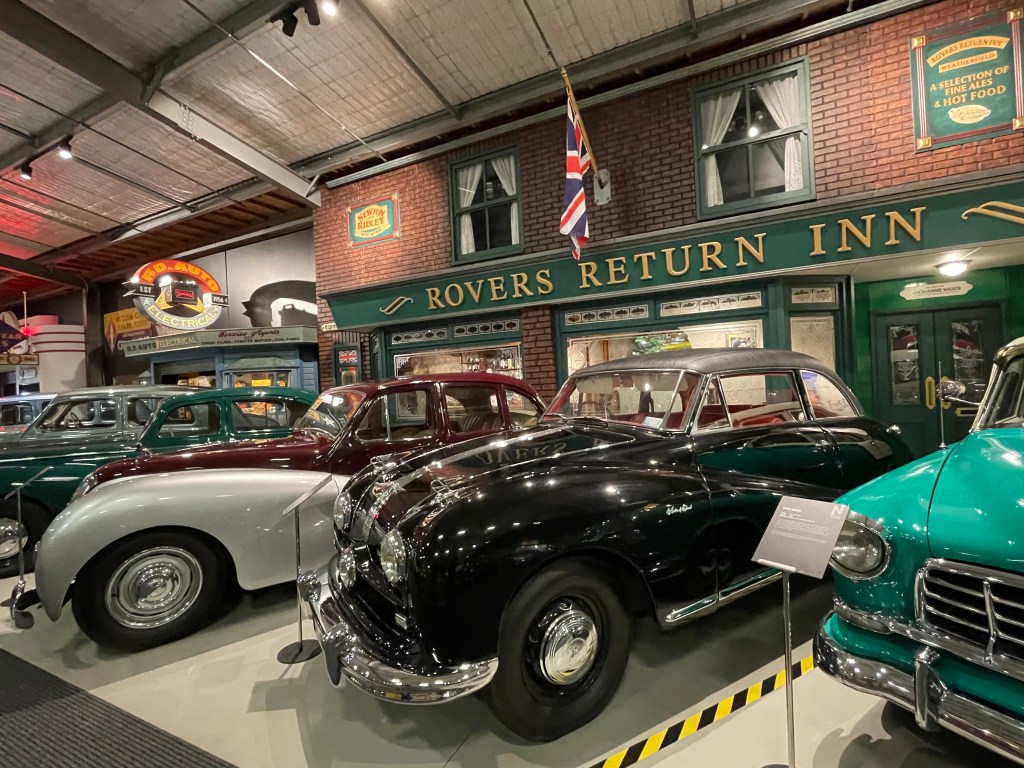
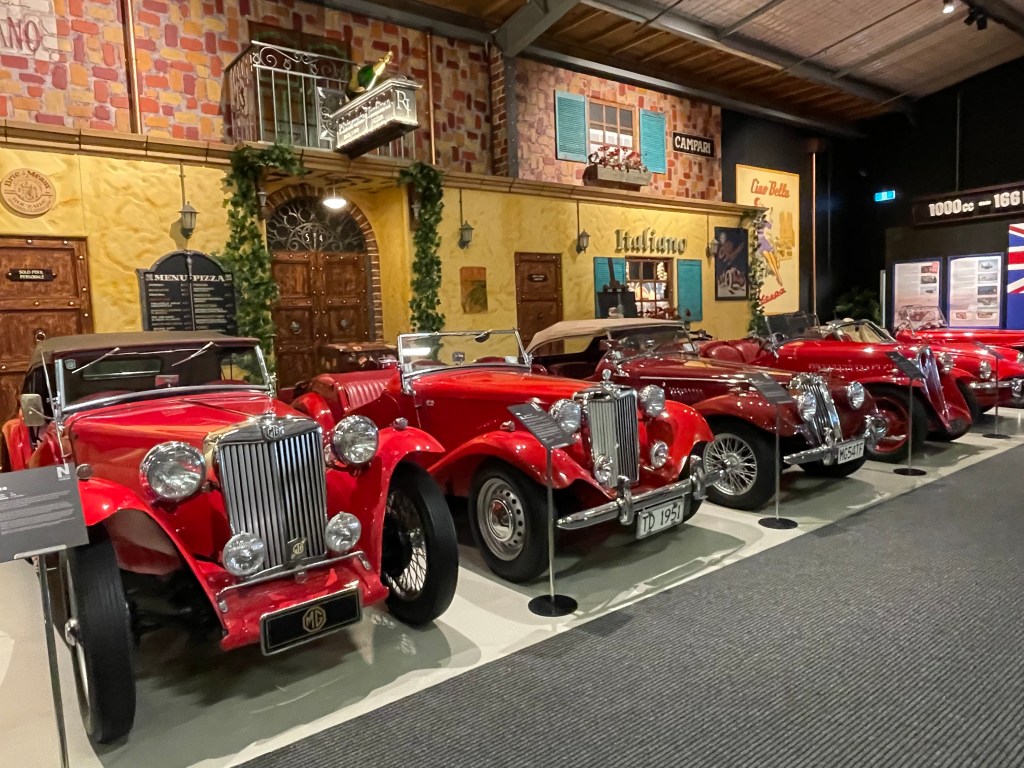
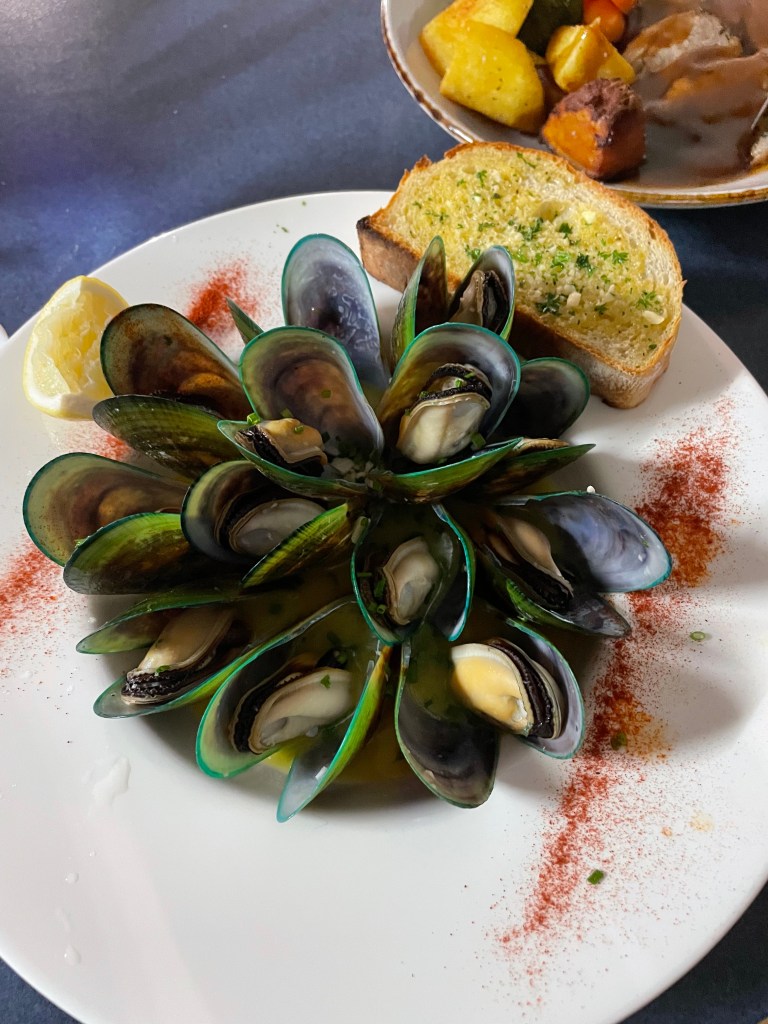
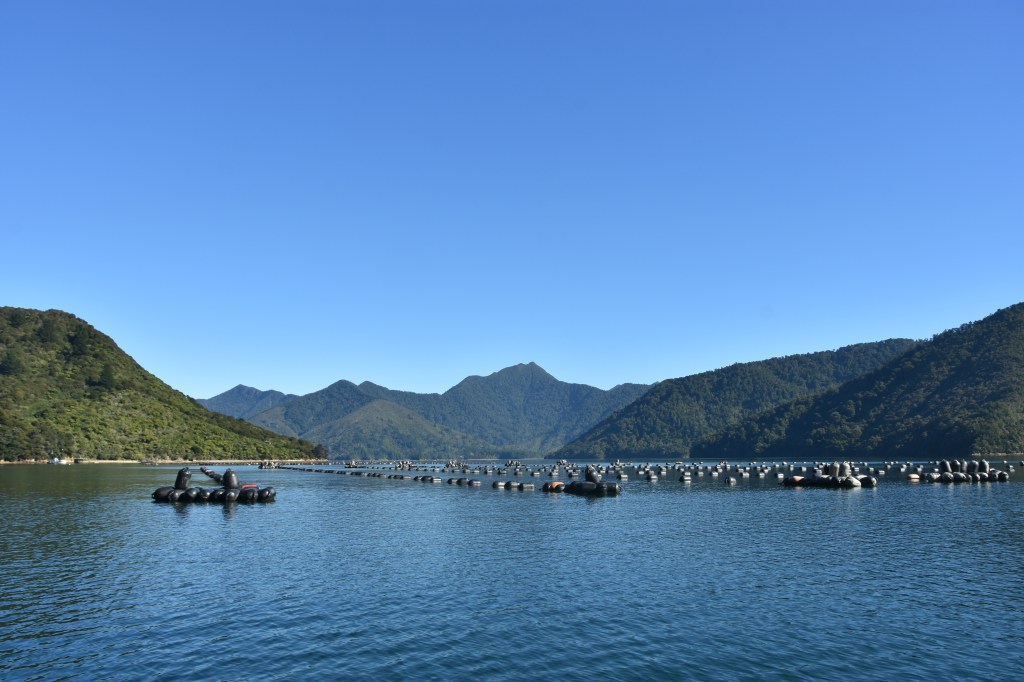
We had booked the ferry to the North island on April 30th and had 2 nights to travel the short distance to Picton. Decided to go to Havelock. What an inspired move. Havelock is the green shell mussel capital, it’s a bustling little harbour town on the Marlborough Sounds.
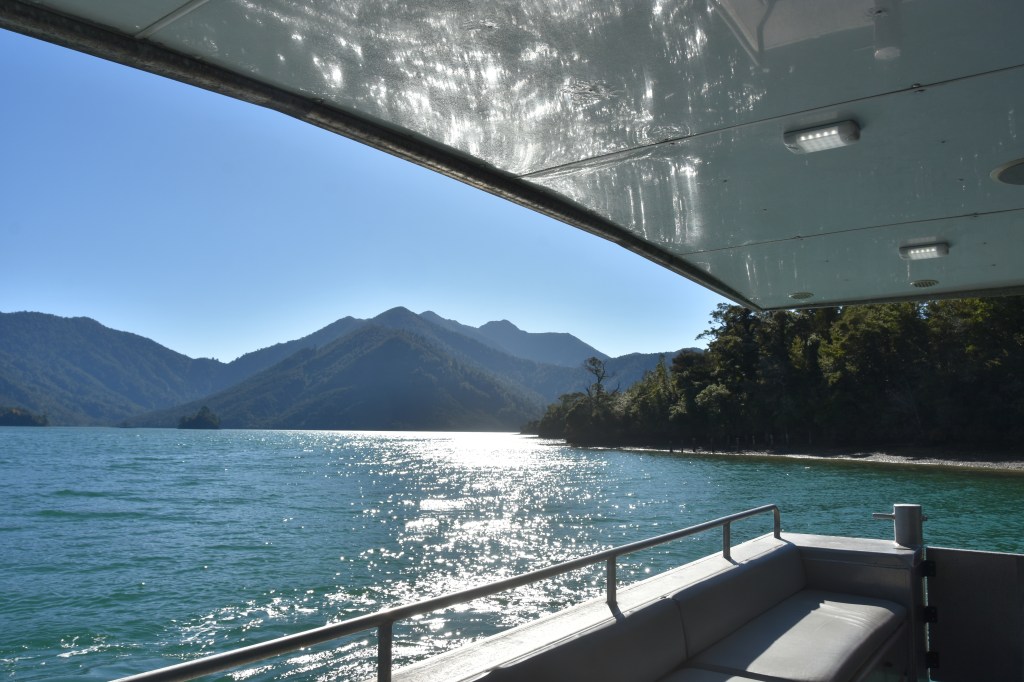
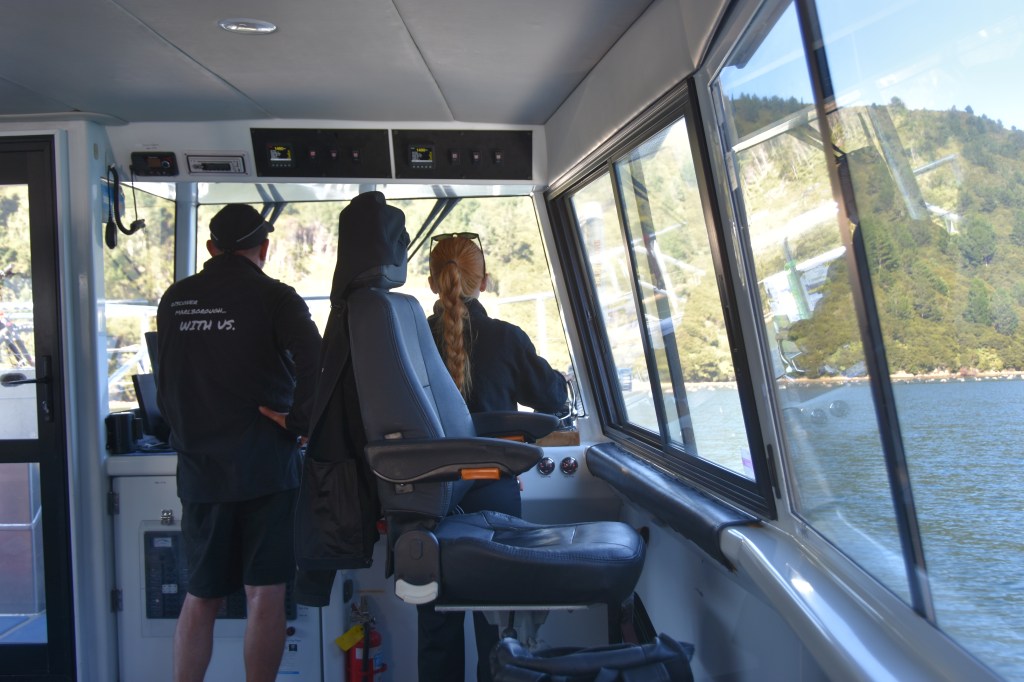
A couple of Dutch people parked next to us, we got talking and they mentioned the mail boat cruise that was happening the next day, by chance. I quickly booked it. It was the best cruise, such a wonderful day.
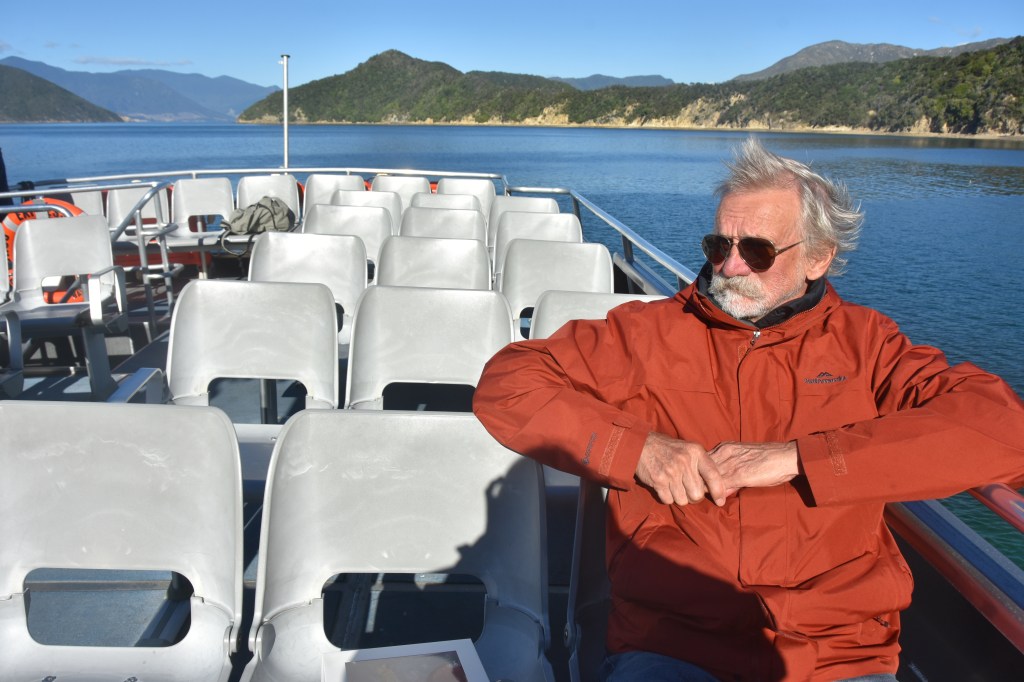
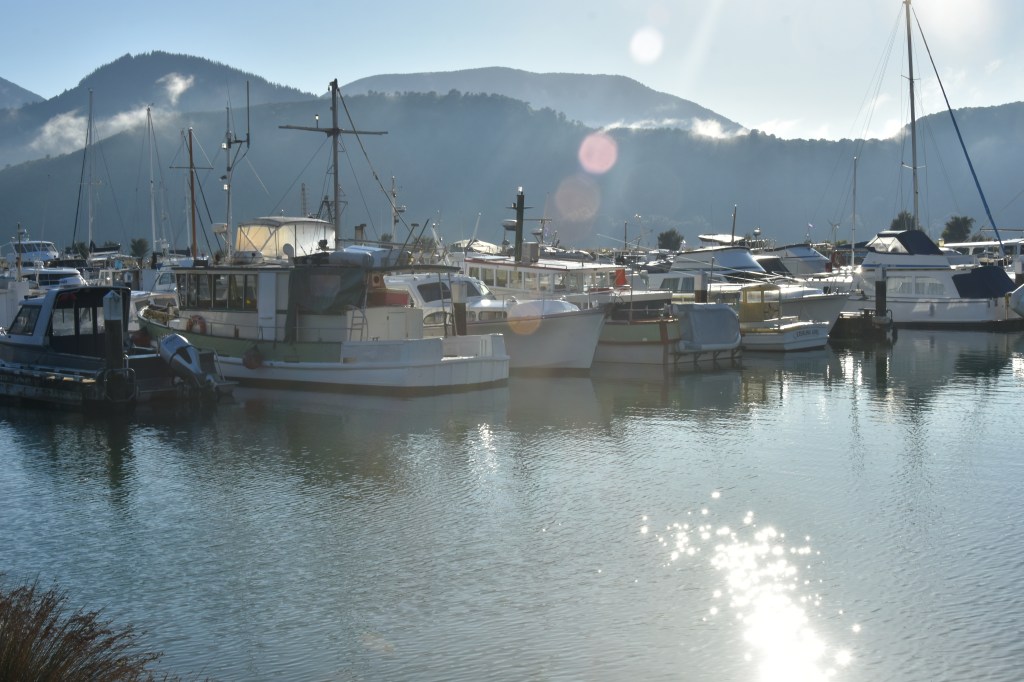
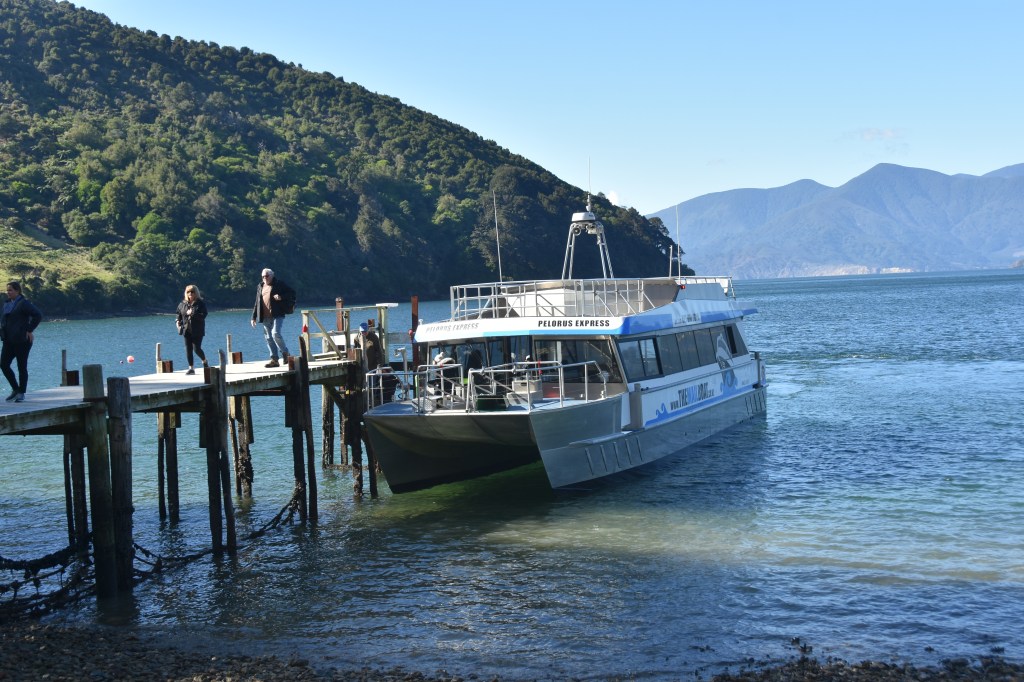
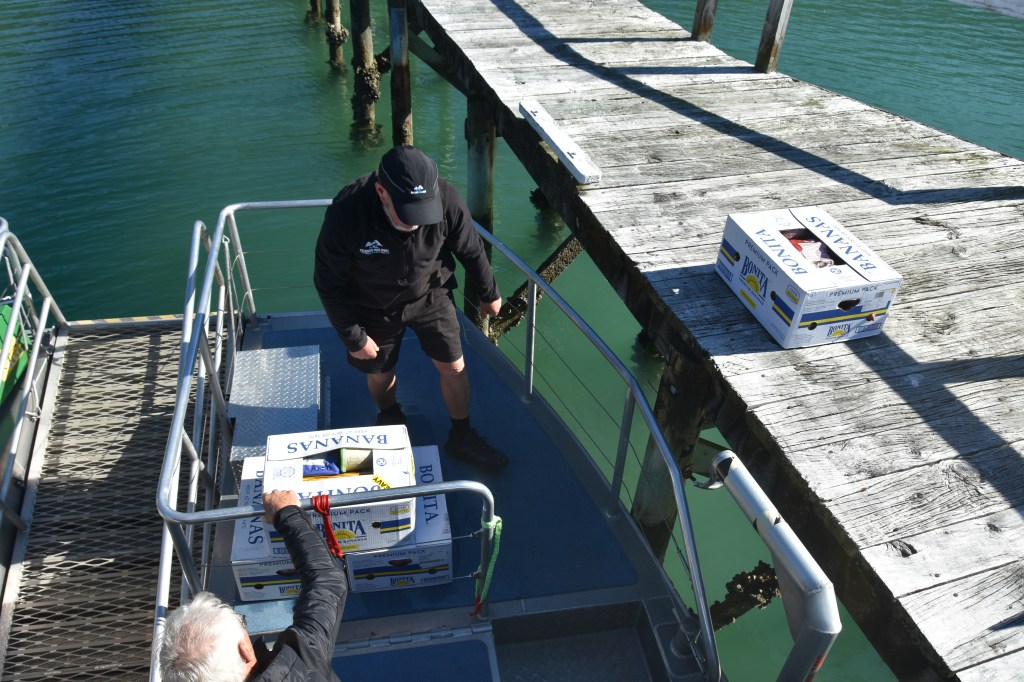
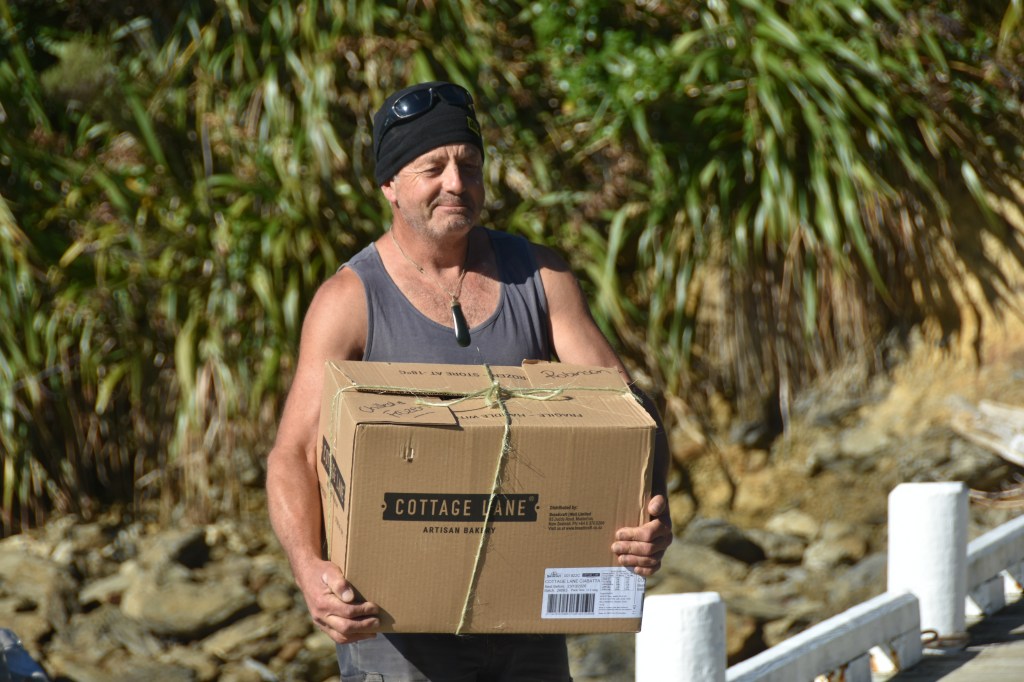
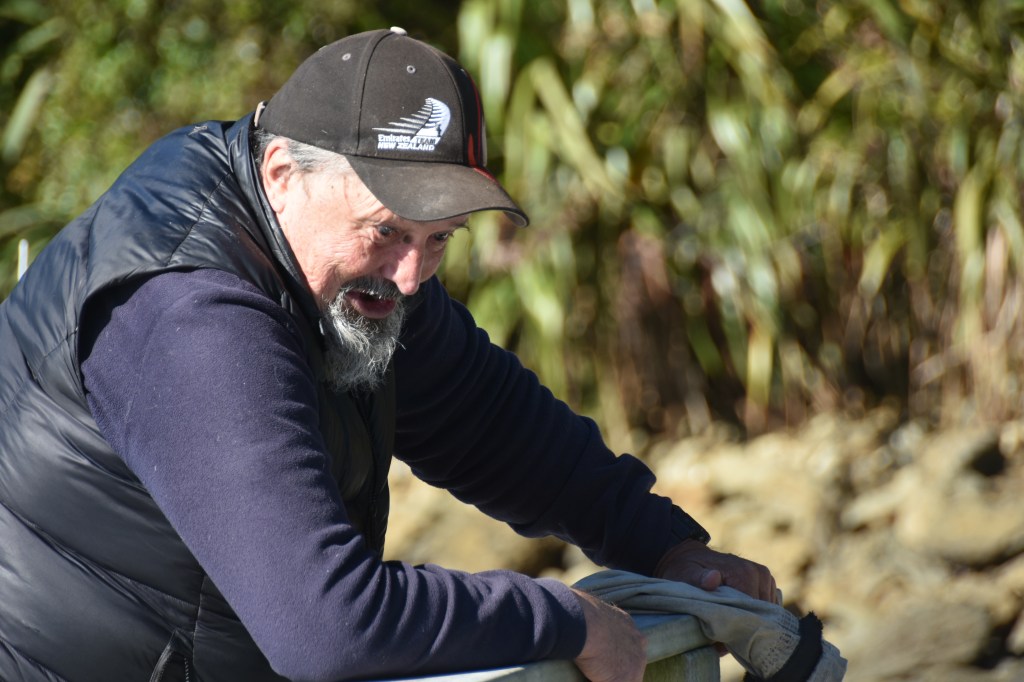
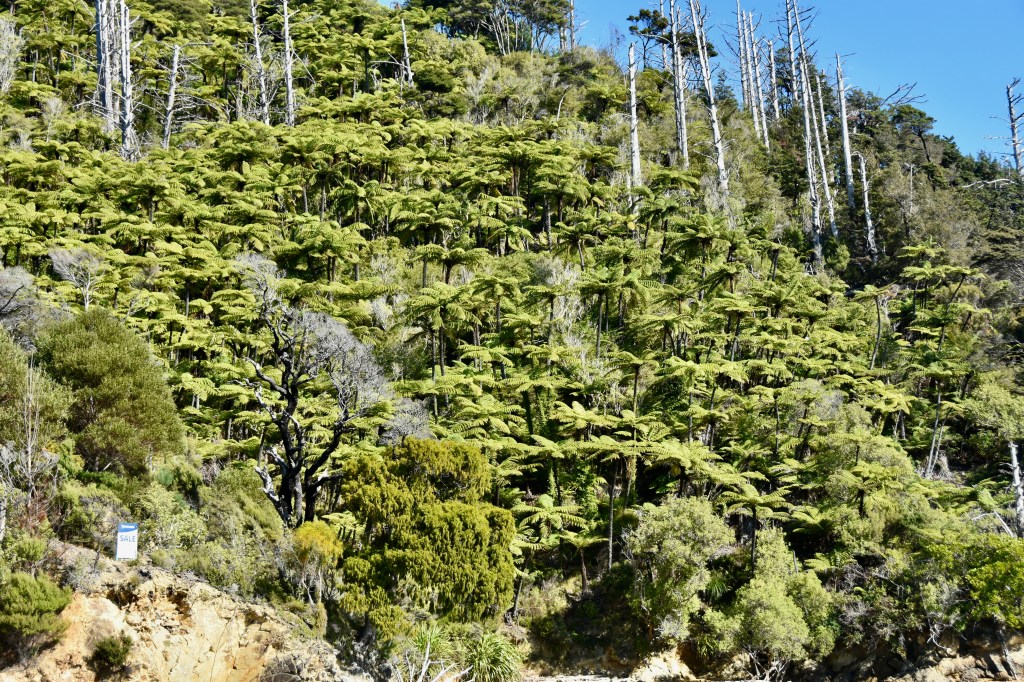
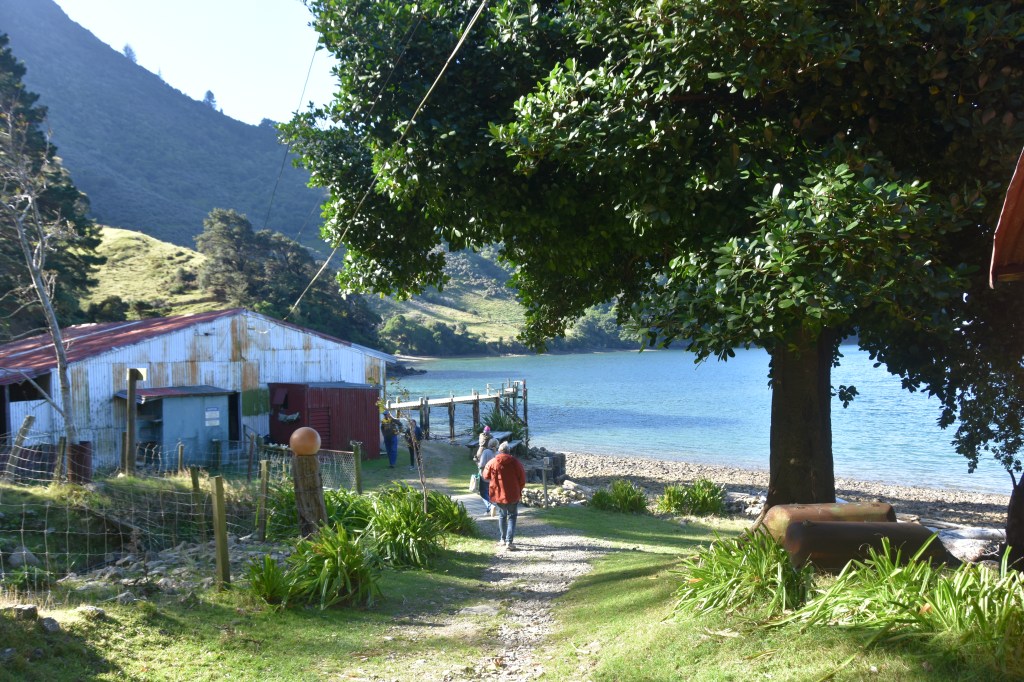
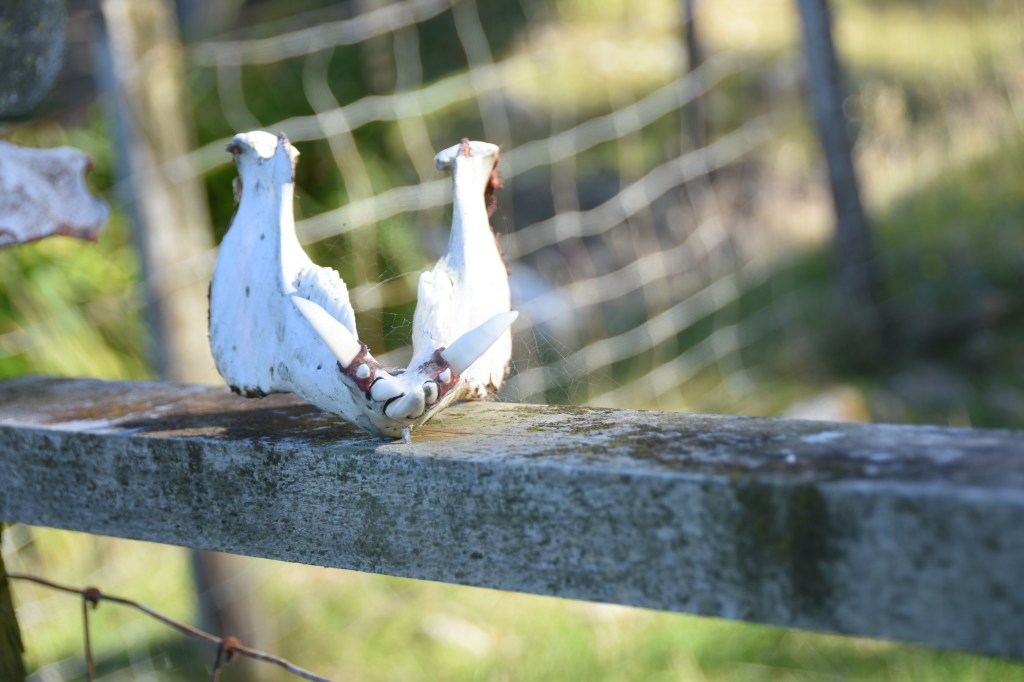
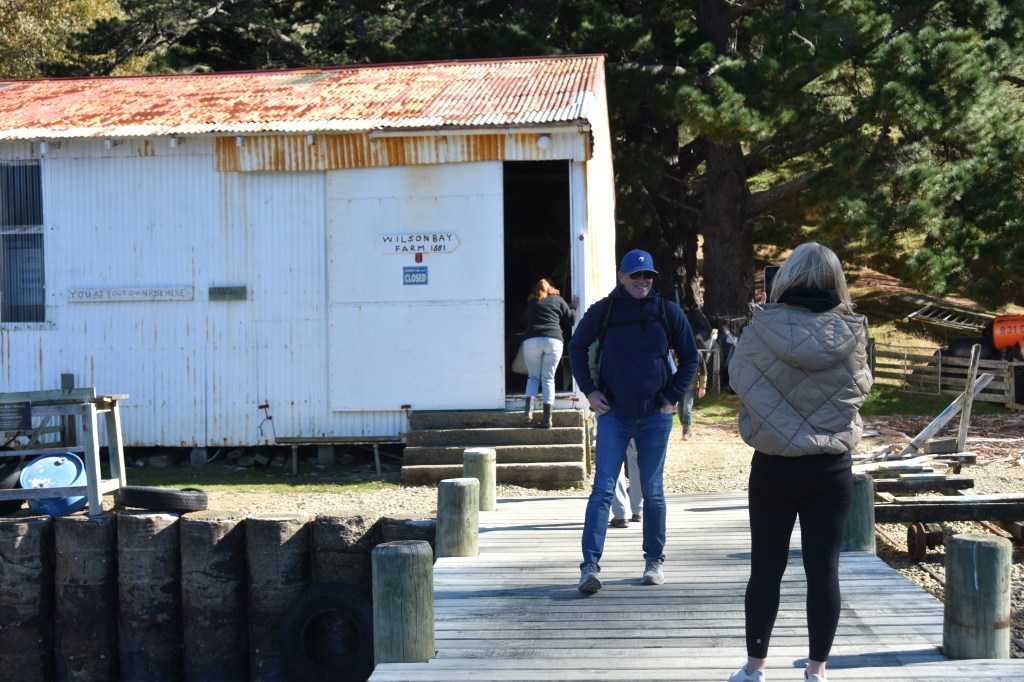
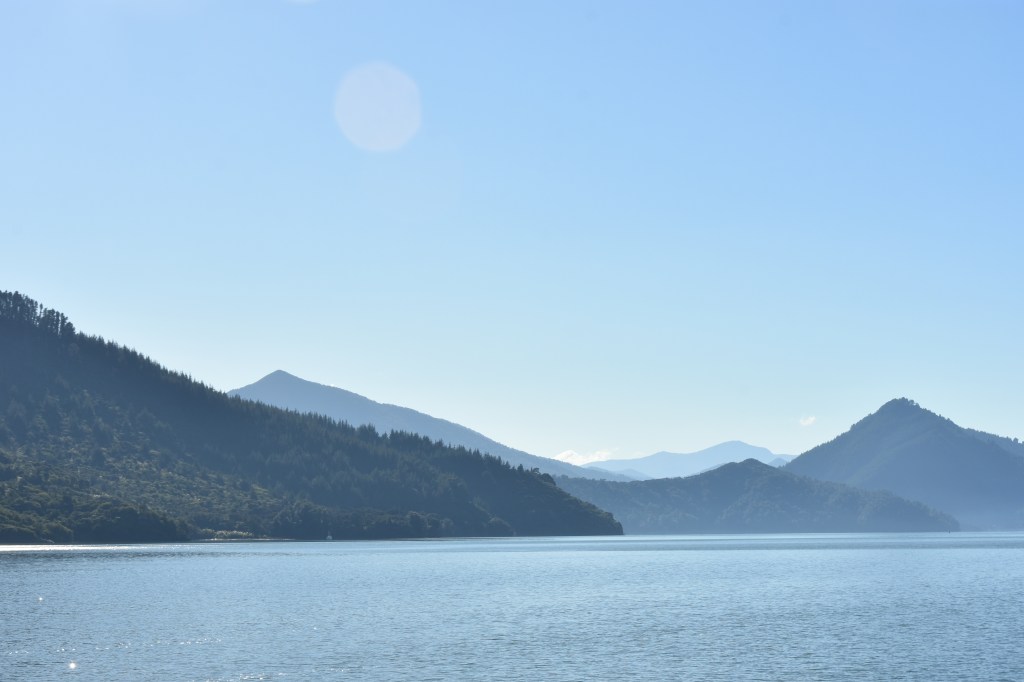
Pelorus Sound is just one arm of the Sounds. Up to 2000 houses are dotted in remote locations around the Sounds, and each Wednesday the mail boat delivers mail, groceries and more to people waiting on little jetties or their beach. The highlight was a tour of a working farm where the man was fifth generation on that farm. They had raised 2 children there and have only had electricity for one year, there are no roads in. They raise Romney sheep and a few cattle. Nick and I had a long chat to the farmer, he was a man of few words, but everything he said came from a deep wisdom and experience of surviving in this remote place. We talked about the scourge of Aussie possums, but also other wild pests including pigs, stoats, cats, rabbits and more. He was furious about the proliferation of pine forests and has poisoned many trees on his property. His wife’s presentation to the group was down to earth, she was a woman who’d lived on the farm for over 20 years while home schooling, feeding the hungry shearers and surviving a subsistence way of life. The other startling fact, this was the last farm talk for the season. How lucky were we! Right place, right time again.
Before I end this quite long blog, Nick has a few words about our camper. Next blog will be about the North Island, where we are now.
Nick:
The Mercedes Benz camper is big as opposed to what we are used to driving, it is 7.2 metres long, 2.8m tall and the back end of it cuts off the corners if one is not careful. It is easy to drive as all one has to do is accelerate and brake, it has a gear stick on the column, up for reverse and down for drive. It took me about a week to discover that it has paddles just like a formula 1 car hidden behind the steering wheel, now I am able to downshift on steep slopes and use engine revs instead of braking all the time. It is clever too as it will not start if the power cord is plugged in, it does all of the usual things ie not start or go into reverse if the foot is not on the brake. It has been doing 9.6 litres to the 100km which is pretty good considering the Land Rover Discovery does that without anything in it or towing.
Interior design leaves a little to be desired as the kitchen area definitely only has room for one, the shower and toilet are microscopic and the water pump pulsates so you cannot get properly wet in the shower. There is a distinct lack of 240v power points and the ones that are provided are too far away from the needed location. To add to the grievances the cords on the kettle and the toaster when plugged in to the aforementioned 240v sockets only just reach the table and have to sit dangerously near the edge.
To counter all the complaints we are being treated to a magnificent country with stupendously spectacular scenery as will be apparent from the photographs.
Love
Jen & Nick
 COME AWAY WITH ME